

'Strong, but strained': Ottawa County nonprofits grow, demand for services continues to rise
The nonprofit sector in Ottawa County is thriving in many ways; however, signs of strain show the organizations are concerned about their ability to meet demand now and in the future, according to a new study.

OTTAWA COUNTY — The nonprofit sector in Ottawa County is thriving in many ways; however, signs of strain show the organizations are concerned about their ability to meet demand now and in the future, according to a new study.
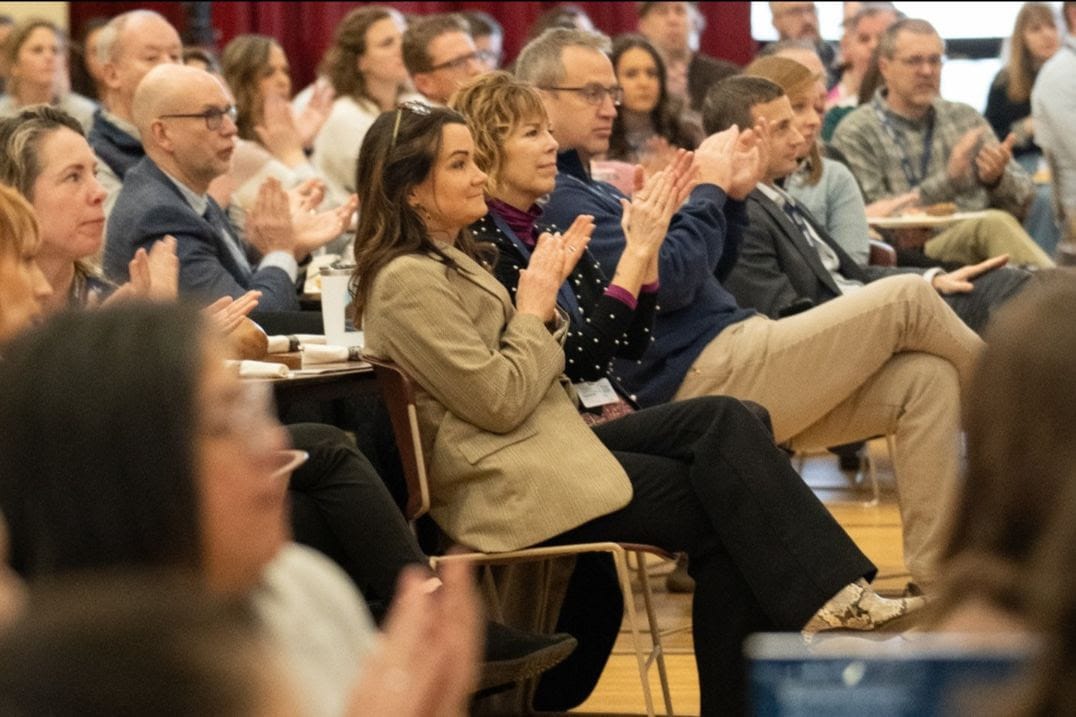
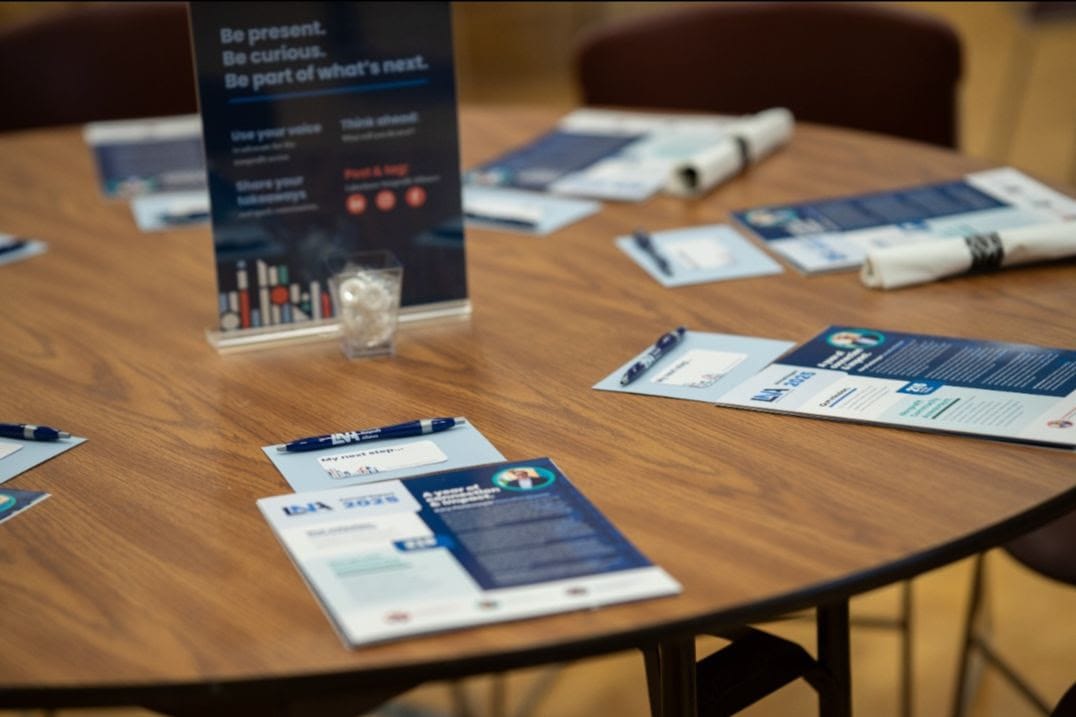
The Lakeshore Nonprofit Alliance hosted its annual conference in late February and released the results of its 2025 Nonprofit Community Assessment survey, which is conducted every three years.
"When we look at organizational effectiveness, organizational strength, investment in capacity building, we saw multiple ways throughout the data that we saw improvements and growing strength," said LNA Executive Director Kory Plockmeyer.
Although organizations have become more sophisticated in their strategy and data usage, they are navigating a tightening financial landscape as pandemic-era federal funding winds down and operational costs rise.
The report found that member organizations’ anticipation of being able to
meet demand in the coming year declined 17% over the last six years.
Only 60% of local nonprofits expect to fully meet community demand in 2026, a significant drop from 80% in 2022.
In addition, executive director satisfaction rates indicate that several directors are inching toward burnout.
Eighty percent of directors said they felt exhaustion or a lack of energy, 62% felt some level of negativity or cynicism, and those who have reported being "extremely satisfied" with their jobs fell to 22% from a peak of 59% in 2019.
"What we're seeing is stronger systems, stressed people," Plockmeyer said.
Primary challenges
The main challenge for most nonprofits is financial instability. Despite being the fifth-wealthiest of Michigan's 83 counties, more than a third of households are financially challenged in Ottawa County.
ALICE refers to residents who are "Asset Limited, Income Constrained, Employed," more commonly known as the working poor, who earn above the federal poverty level but not enough to afford basic necessities such as housing, food, and healthcare.
ALICE households often live paycheck-to-paycheck, making them vulnerable to economic emergencies and in need of many nonprofit services.
Please consider becoming a monthly donor!
According to data released in May 2025, based on 2023 figures, 11% of households live below the federal poverty level and another 26% qualify as ALICE.
Meanwhile, many nonprofits are facing funding declines because of the "ARPA cliff," referring to a projected budgetary crisis facing local and state governments as federal pandemic aid from the 2021 American Rescue Plan Act (ARPA) expires.
Plockmeyer said a major priority for most nonprofits this year will be pivoting to find sustainable long-term private funding to replace those one-time government grants.
"If you're paying attention to the landscape of conversations around nonprofit organizations, nonprofit leadership and nonprofit management, you might be hearing revenue diversification showing up in the conversation more and more and more," Plockmeyer said.
"This tends to happen when the economy is facing undisturbed and the good news is we're already ahead of that curve. We are investing, as a whole, in diversifying our revenue."
Refocusing on a volunteer workforce
One key priority, Plockmeyer said, is for nonprofits to redouble efforts to curate positive relationships with volunteers.
The study found that support for volunteers is waning, with a reduction in gratitude from staff toward volunteers. In 2019, that gratitude rate was 85%, it dipped to 84% in 2022 and fell to 75% in 2025.
"It's really troubling that we rate ourselves at only a 5.9 out of 10 when we see ourselves losing ground on volunteer support, volunteer recruitment and management as an organizational strength," Plockmeyer said. "And I want to say really, really clearly, this is not a lack of care. It is not that our organizations and our leaders don't care about our volunteers. It is capacity strain. It is stress in the system as a whole.
"But given the number of volunteer hours and the ways that volunteers are the lifeblood of our organizations, this is something that we should be paying attention to, and only 50% of organizations feel like they have the right number of volunteers to accomplish their goals," he said.
Read the full report here.
— Sarah Leach is the executive editor of the Ottawa News Network. Contact her at sleach@ottawanewsnetwork.org. Follow her on Twitter @ONNLeach.


