
Farming forward: Ottawa County event blends soil health, estate planning to protect agriculture
The Ottawa Conservation District’s “Farming Forward” seminar last month featured agricultural experts, legal advisors and mental health professionals aimed to equip local producers with tools to sustain their operations across generations.

HUDSONVILLE — Protecting family farmland requires more than handing down deed titles; it demands healthy soil, clear communication and sound legal structures.
That was the central message at the Ottawa Conservation District’s “Farming Forward” seminar last month, where agricultural experts, legal advisors and mental health professionals gathered to equip local producers with tools to sustain their operations across generations.
Sarah Bowman, watershed conservation specialist at the Ottawa Conservation District, opened the gathering by outlining the event’s expanded scope.
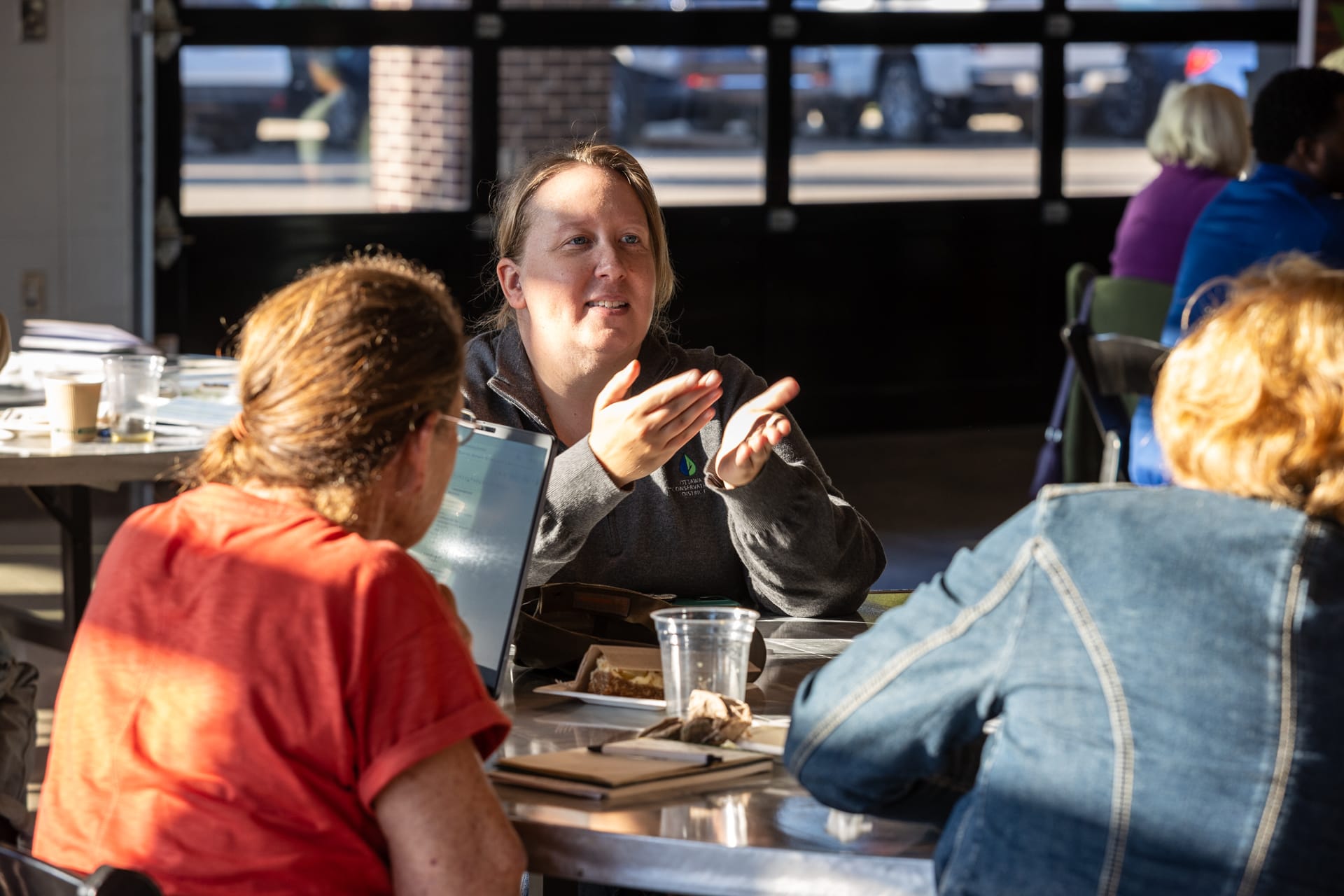
"Typically, this event really focuses on farmland succession, farmland easements, and protecting your land into the future, which this one will still do, but we're going to add in a little bit more of some regenerative agriculture discussion today as well," she explained. "Not only is it important to protect your land into the future for future generations, but it's also good to protect your soil at the same time."
Supported through a coalition of state and national partners — including the Michigan Department of Agriculture and Rural Development, the American Farmland Trust, and the Natural Resources Conservation Service — the workshop paired soil management with mental health strategies and estate planning.
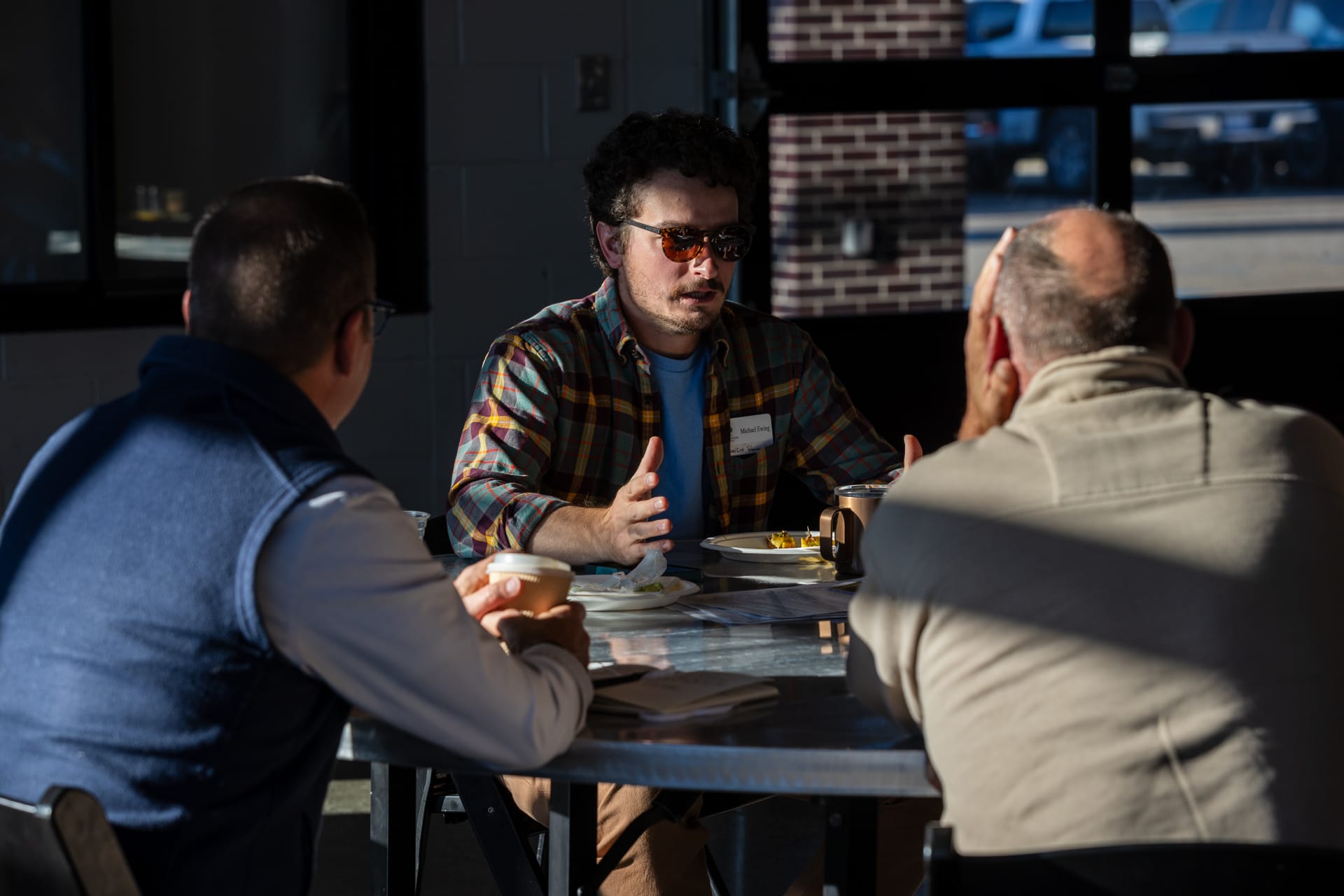

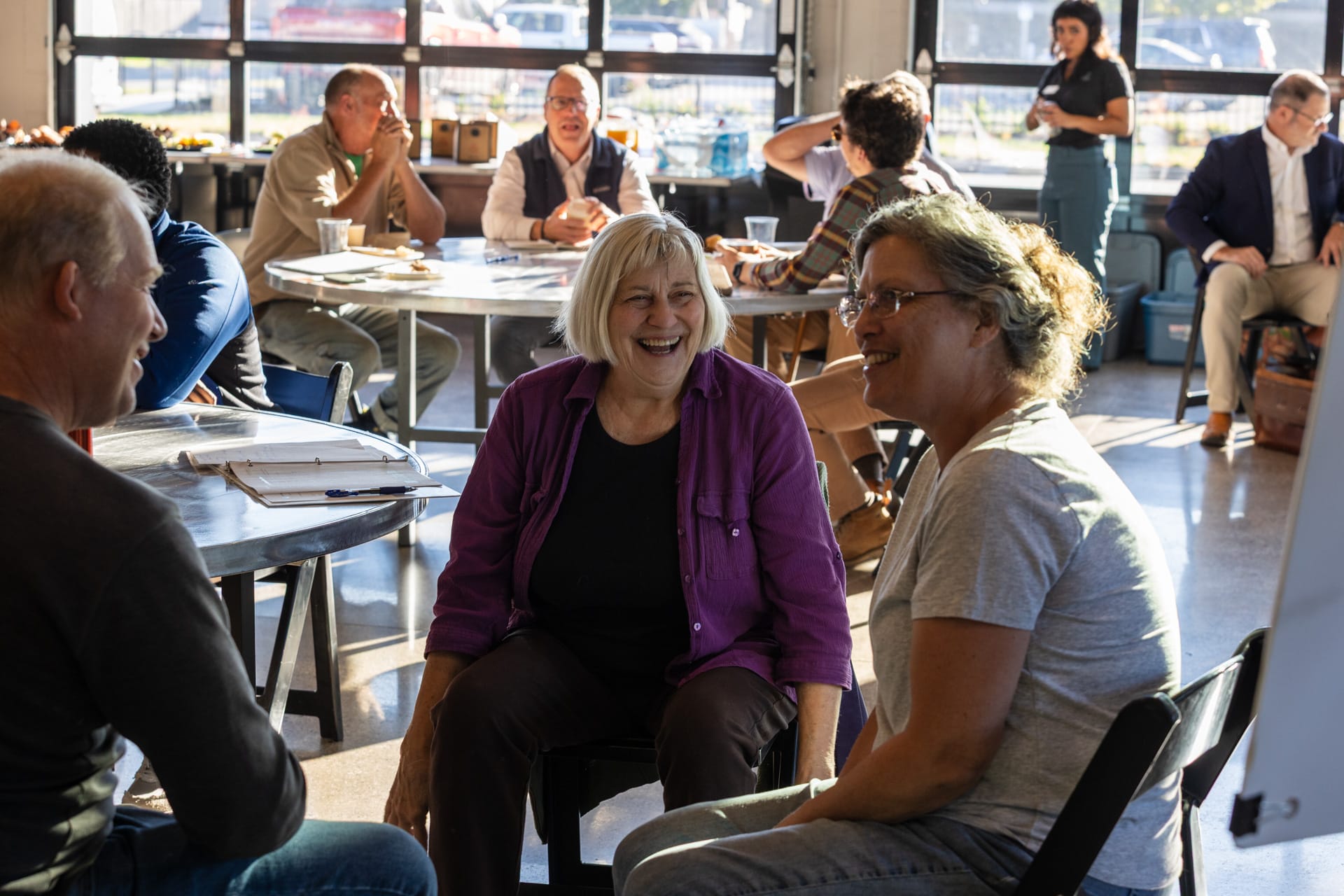


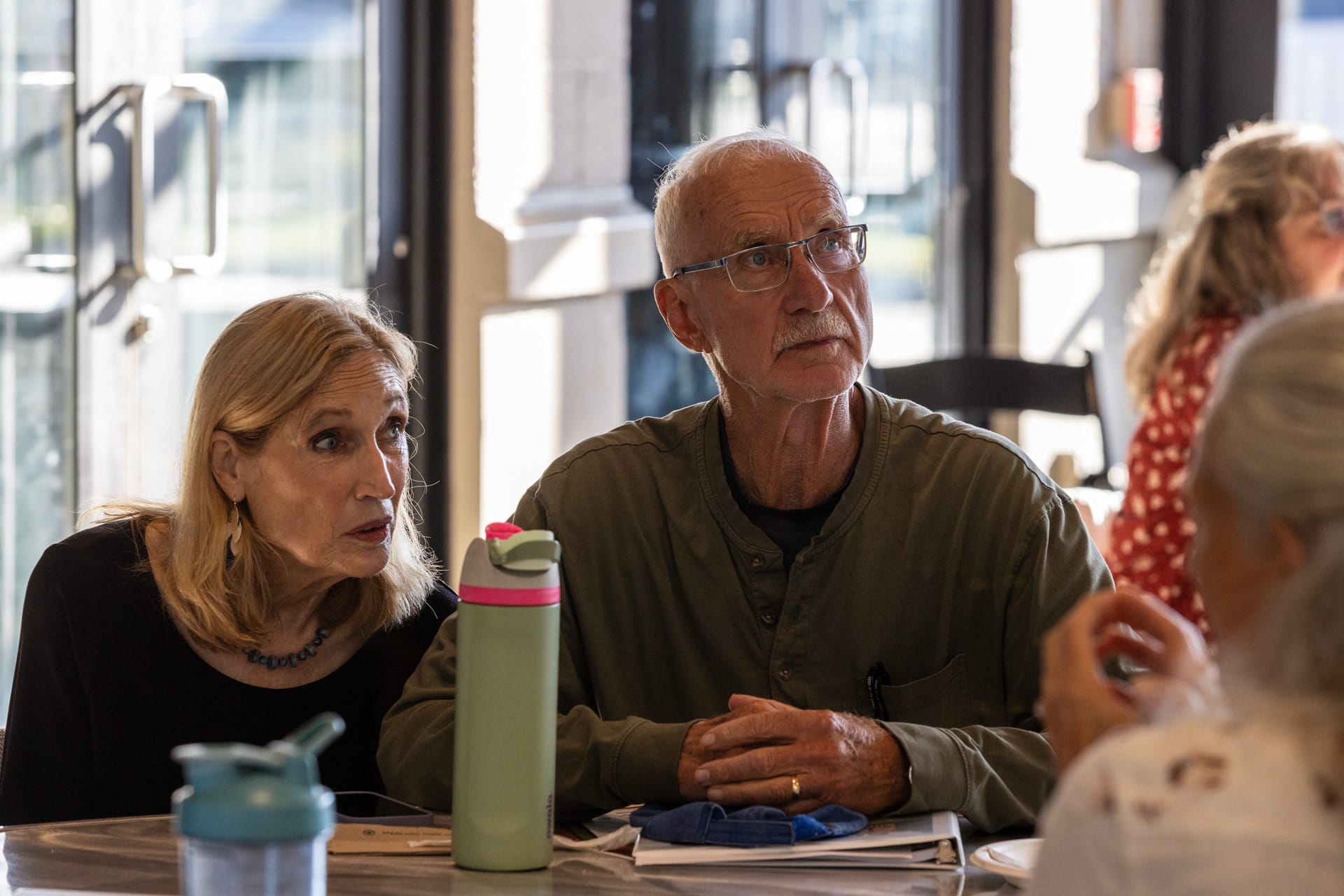
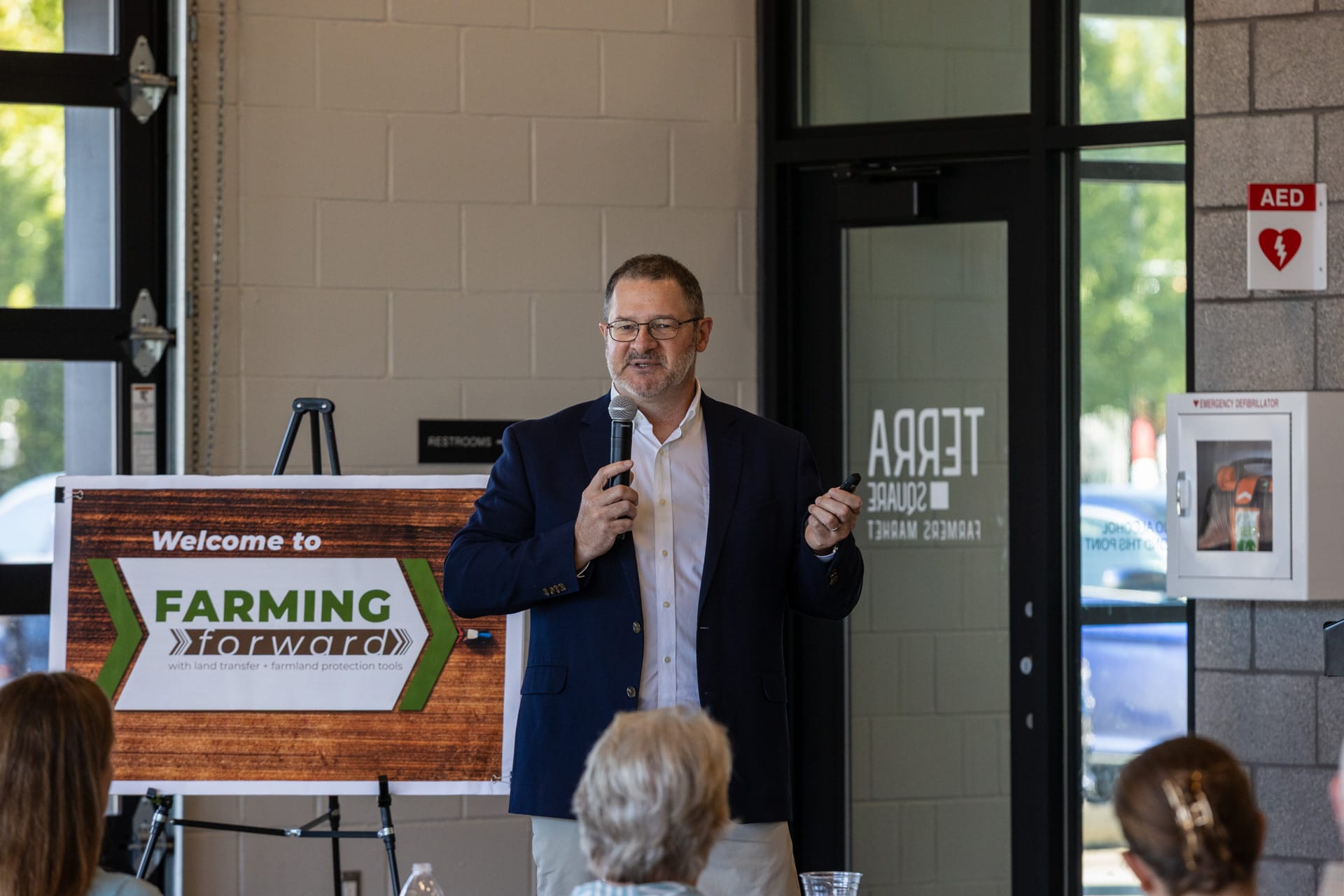
Residents participate in a "Farming Forward" workshop that was hosted by Ottawa County at Terra Square in Hudsonville on Sept. 29, 2026. [Cathy Seaver/ONN]
MDARD’s push for regenerative agriculture
The program introduced attendees to MDARD’s Regenerative Agriculture Program, presented by Conservation District Technical Assistance Program Technician Ximena Figueroa.
Figueroa noted that while definitions vary, regenerative agriculture centers on dynamic land stewardship aimed at improving soil health rather than enforcing rigid rules.
"Regenerative agriculture isn't new; it simply encompasses a set of farming practices developed and implemented by our collective ancestors for centuries," she said. "MDARD didn't invent re-gen ag, and neither did any corporation."
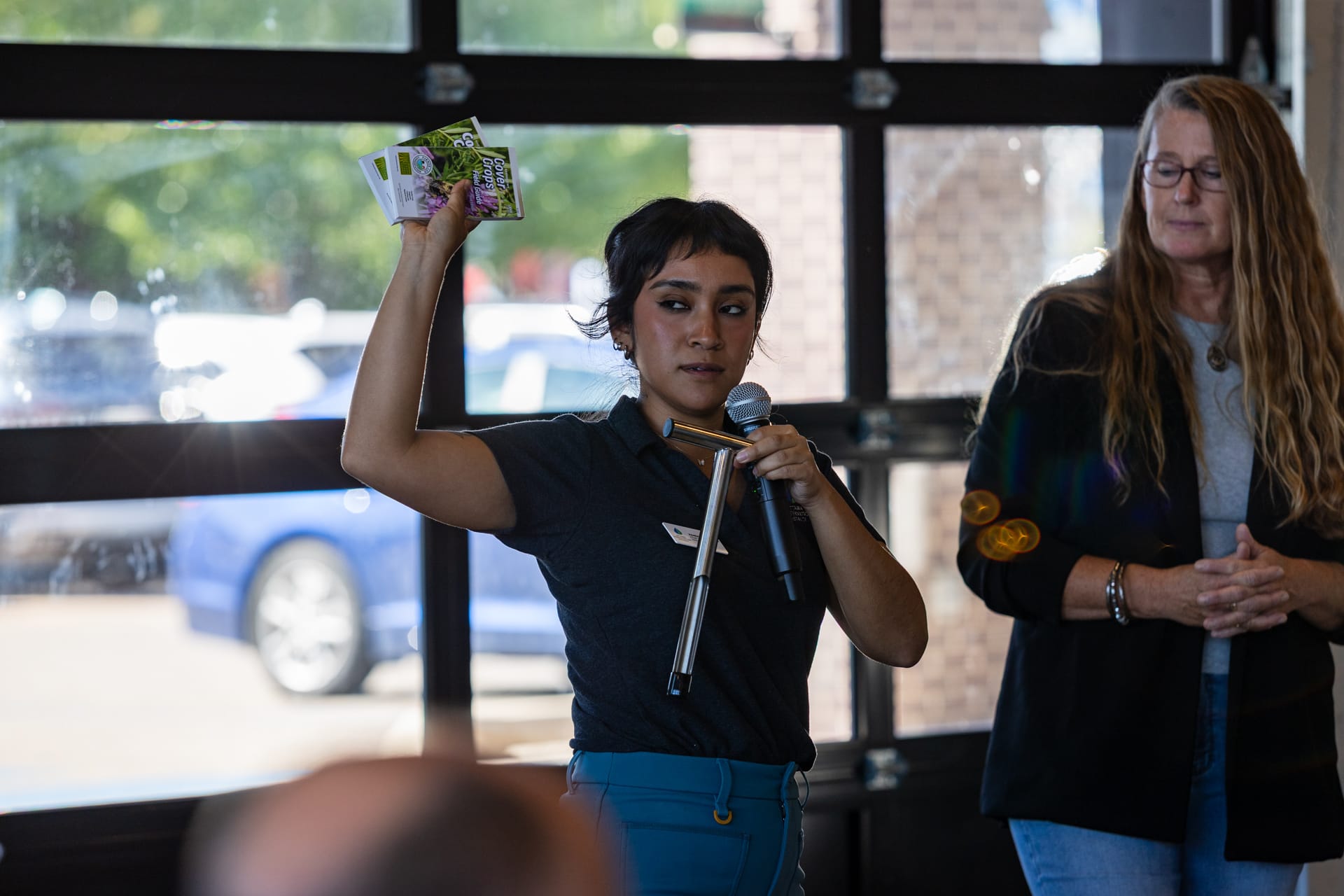
Under the initiative, MDARD covers the cost of comprehensive soil health assessments processed through the Cornell Soil Health Lab. These tests evaluate physical, biological and chemical activity, tracking active carbon levels that reflect immediate microbial energy. Participating producers receive tailored, voluntary soil management plans.
"If I hand you a management plan, that doesn't mean you're contractually required or obligated to adopt those practices," Figueroa assured the audience. "You're not going to get in trouble, and you're not going to have to pay for anything."
MDARD is also rolling out outreach grants, veteran education programs and a Next Gen Crop Insurance pilot program for the 2027 crop year in select Michigan counties to eliminate penalties for producers utilizing cover crops or reduced tillage.
Farm stress, communication
Transitioning an operation or adopting new conservation methods frequently introduces significant psychological strain.
Carly Sandoval, a health educator with the Michigan State University Extension Farm Stress Team, addressed the physiological and behavioral signs of stress common in rural communities, ranging from migraines and stomach distress to social withdrawal.
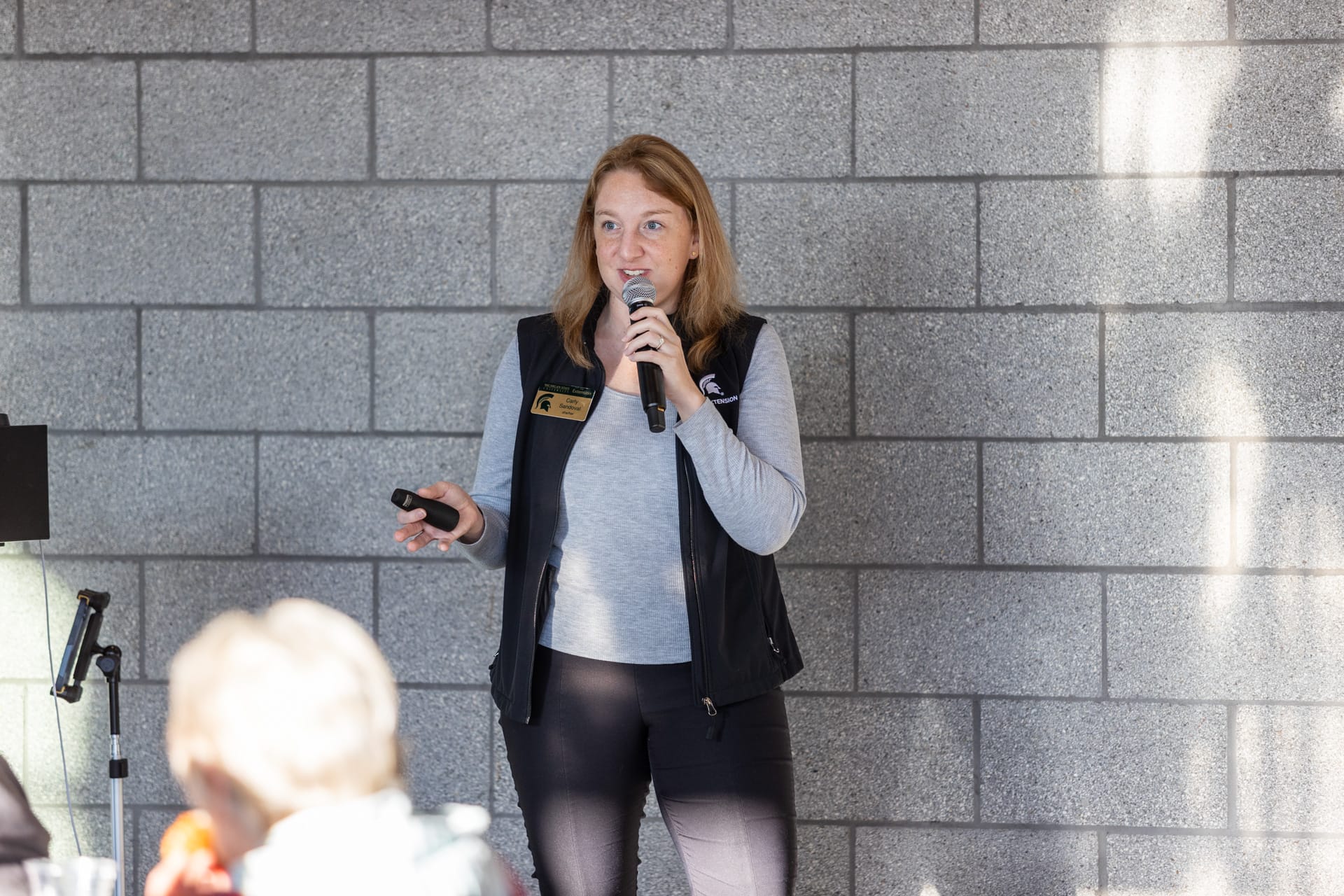
Sandoval reminded attendees that emergency support is always accessible.
"If you find yourself in that place, or you find a loved one in that place, please know that there is help available 24/7, 365 days a year — it is 988, the Suicide & Crisis Lifeline," she emphasized.
During communication exercises based on Motivational Interviewing, participants practiced moving away from bossy, directive advice to focus on active listening and open-ended questions when discussing farm transitions.
"We know that with succession planning, there is stress on both sides of that table," Sandoval said. "Starting those conversations from that place of understanding that we are all stressed in this situation, and that this is going to be hard for everyone, can go a long way."
Mi FarmLink, succession
Becky Huttenga, the agriculture and economic resources coordinator for the county's Department of Strategic Impact, highlighted regional efforts to connect beginning producers with available land through mifarmlink.org, an online land-matching platform developed through a state grant.
"The biggest challenge for a land-linking program like this is getting the people who own and operate land to utilize the platform if it serves them," Huttenga said. "I know there's eight or 10 beginning farmers to every one farm that's listed on the platform right now, so we need more land on the platform."
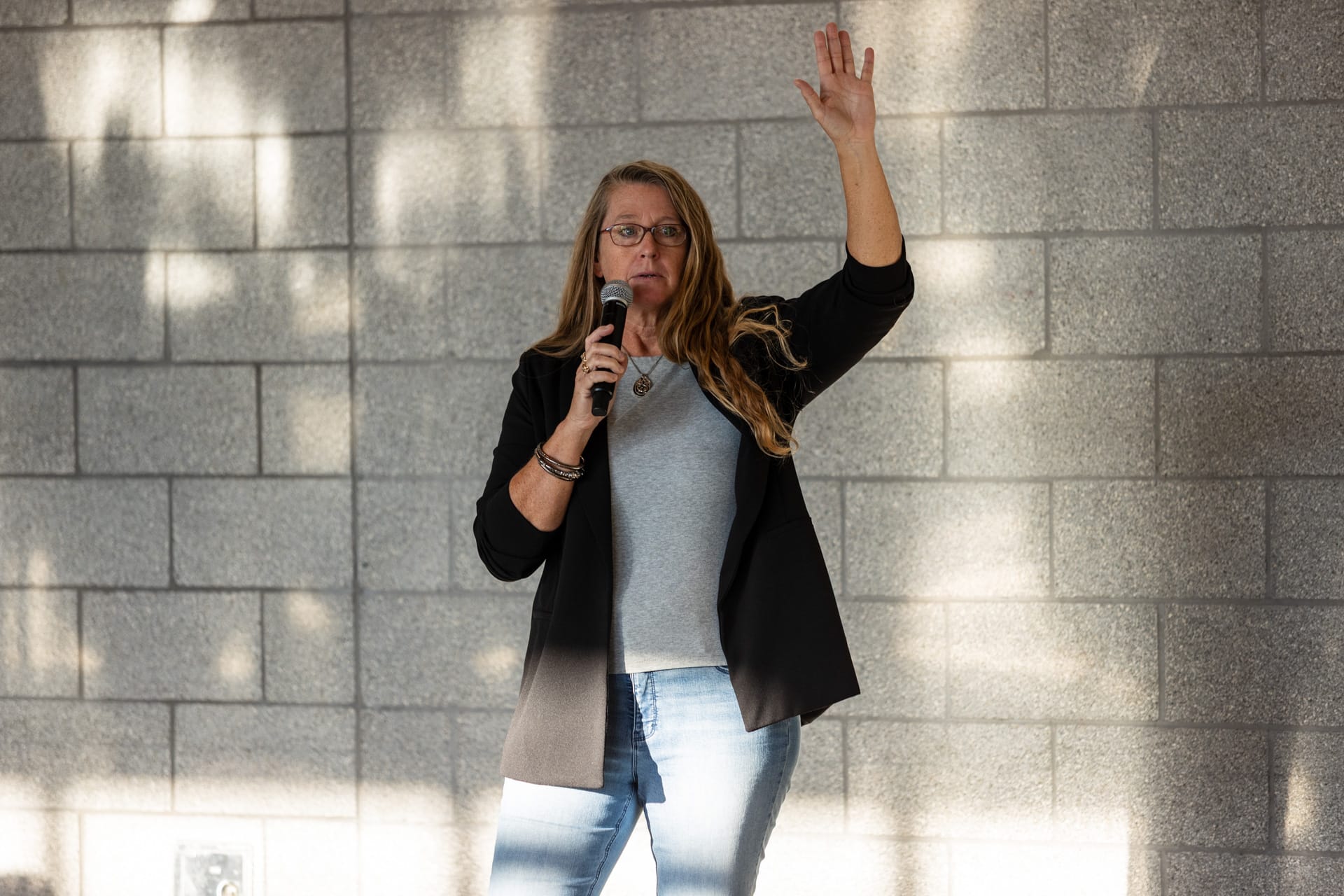
Dean Reisner, an agricultural law attorney with regional firm Varnum LLP, walked attendees through essential estate planning and business structuring tools, outlining key documents including wills, revocable living trusts, powers of attorney and patient advocate designations.
Reisner warned against relying solely on sole proprietorships or general partnerships due to unlimited personal liability, recommending limited liability companies as the preferred vehicle for modern farms.
Separating operating assets, farmland and high-risk enterprises into distinct LLCs helps insulate core assets from potential lawsuits, he said.
"If you have a business where you provide excavating services and someone gets killed in that, and there's going to be a personal injury lawsuit; they're going to sue the owner of that excavator and the owner of that business," Reisner explained. "If that excavator is in your main farm, then suddenly all your farm assets are available to creditors."
Reisner also addressed the delicate balance of allocating assets between children who remain on the farm and those who pursue outside careers.
"Equal's not always fair; fair's not always equal," he said. "If someone's been on the farm for a long period of time, working hard — sweat equity — that's a whole lot different than someone that's not on the farm and just wants to collect the value of the land down the road."
Addressing the broader landscape of modern agriculture, Reisner stressed the urgency of early preparation.
"It's tough to make it these days, and it's getting more pressure, whether from solar farms, wind farms or just development," he said. "You really owe it to everybody to look at a plan and some of the tools that are available."
Resources for farmers
- Ottawa Conservation District (soil health, cost-share grants)
- Phone: 616-842-5852, ext. 5
- Website: ottawacd.org
- Ottawa County Farmland Preservation Program
- Phone: 616-738-4852
- Website: miottawa.org/farmland
- Mi FarmLink (land succession, matching)
- Phone: 989-218-9108
- Website: mifarmlink.org
- Michigan Agricultural Mediation Services
- Phone: 800-616-7863
- Website: michiganmediates.org
- MSU Extension – Ottawa County Office (farm stress, business)
- Phone: 616-994-4580
- Website: canr.msu.edu/ottawa
- Land Conservancy of West Michigan (permanent easements)
- Phone: 616-459-7984
- Website: naturenearby.org
- MDARD (grants, PA 116, soil health programs)
- Phone: 800-292-3939
- Website: michigan.gov/mdard
- MSU Extension Teletherapy & Farm Stress Team
- Phone: 800-500-1560
- Website: canr.msu.edu/farm_stress
- Michigan Farm Bureau Financial & Member Services
- Phone: 800-292-2680
- Website: michfb.com
- USDA Farm Service Agency – Ottawa County Service Center
- Phone: 616-842-5852
- Website: fsa.usda.gov
- USDA Natural Resources Conservation Service – Grand Haven Office
- Phone: 616-842-5852, ext. 3
- Website: nrcs.usda.gov
- 988 Suicide & Crisis Lifeline (24/7 national emergency support)
- Phone/Text: 988
- Website: 988lifeline.org
- Farm Aid Crisis Hotline
- Phone: 800-FARM-AID (800-327-6243)
- Website: farmaid.org
Permanent preservation vs. temporary tax relief
Elizabeth Brost, a member of Kent County's Agricultural Preservation Board, closed the event by contrasting short-term land incentives with permanent agricultural conservation easements.
While programs through the Michigan Farmland and Open Space Preservation Act (PA 116) offer immediate property tax credits to keep current operations afloat, permanent easements ensure land remains restricted to agricultural use perpetually, even when sold or inherited.
Brost framed the distinction in terms of long-term stewardship.
"I consider the PA 116 program like throwing a life preserver to a farmer — it can help with those tax credits, help during the bad times, and keep you afloat," she said. "What I consider agricultural conservation easements is throwing a life preserver to the future farmers in Michigan."
— Sarah Leach is the executive editor of the Ottawa News Network. Contact her at sleach@ottawanewsnetwork.org. Follow her on Twitter @ONNLeach.