

Ottawa County Sheriff pushes back on camera misconceptions, welcomes board scrutiny
Commissioners suggested scheduling a dedicated work session to evaluate the program.

OTTAWA COUNTY — Ottawa County Sheriff Eric DeBoer responded publicly to growing debate over the department’s use of automated license plate reader cameras, defending the technology as a critical crime-fighting tool while condemning a recent wave of vandalism targeting the equipment.
The statement followed a Tuesday meeting of the Ottawa County Board of Commissioners, where several residents voiced privacy concerns during public comment, asking for the board to either impose greater transparency on how Flock Safety cameras are used or to scrap the system altogether.
"The sheriff's department insisted these cameras were harmless license plate readers, and that we have no expectation of privacy on public roads," said resident Chip Vander Zwaag.

"We strongly disagree. These AI-powered cameras are the literal eyeballs for a supercomputer run by a private company. They are highly capable of capturing detailed images of every vehicle and family coming and going ... and the rest of our activities on the roads. This private corporation has no right to build a mass surveillance dragnet of our community and places of worship," he said.
Commissioners suggested scheduling a dedicated work session to evaluate the program.
DeBoer welcomed the board’s proposal for public scrutiny, framing the meeting as an opportunity to dispel what he characterized as widespread misinformation surrounding the Flock Safety camera system.
"I take the public's concerns about this technology seriously, and I understand why residents want more transparency about how it's used. I'd welcome the opportunity to participate in a board work session to walk through exactly how our office uses this system, what it can and can't do, and the safeguards we have in place," he said.
Addressing common privacy objections, DeBoer emphasized that the cameras function similarly to a deputy observing traffic on a public road. The system photographs license plates and cross-references them against law enforcement databases for stolen vehicles, missing persons, and active Amber Alerts.
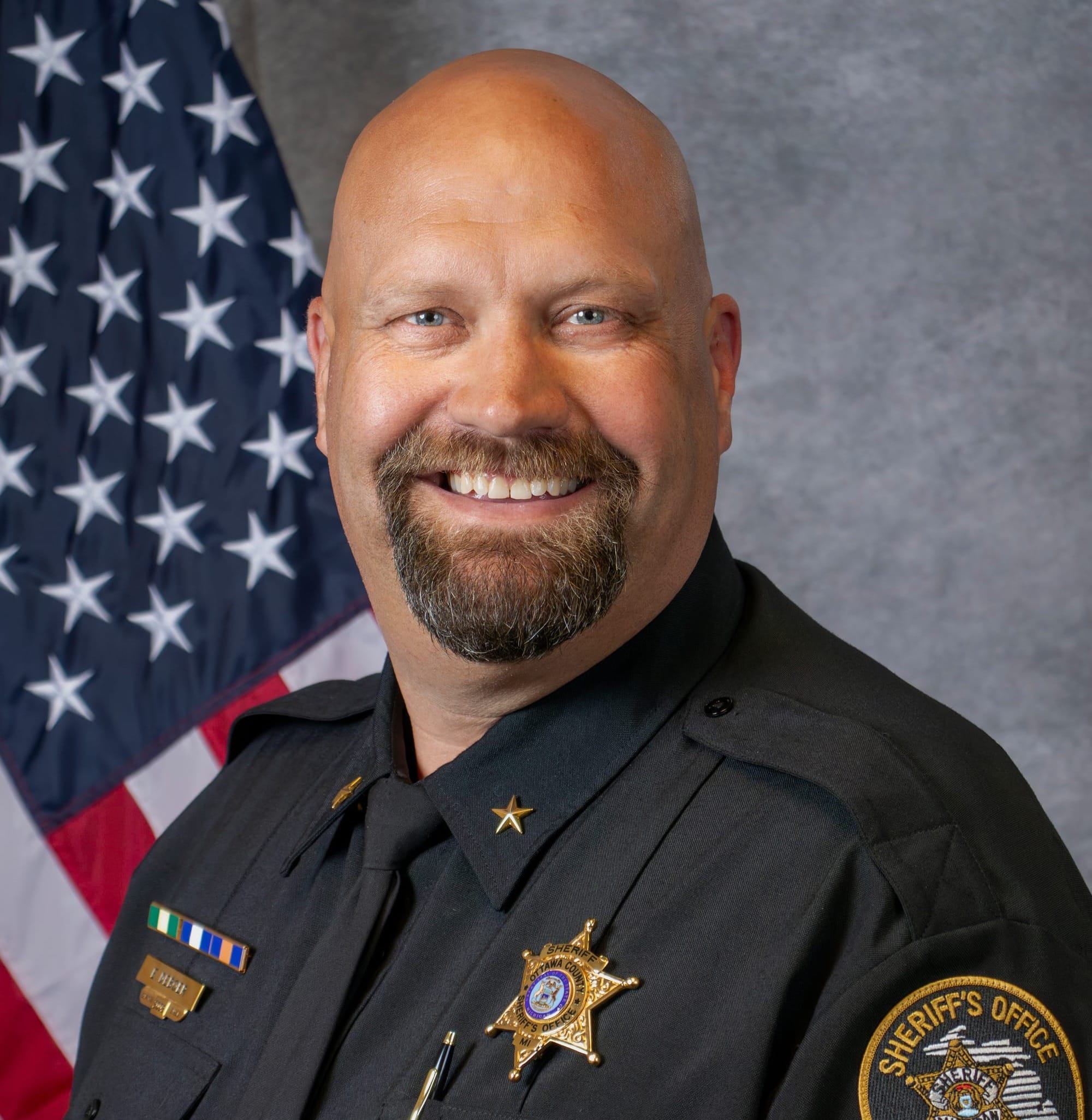
According to DeBoer, the system does not utilize facial recognition, identify vehicle occupants, track driving routes, cross-reference registration data with the Secretary of State, or issue traffic citations.
Critics and privacy groups argue that the cameras track everyday movements of regular citizens, not just suspects — an assertion DeBoer said is not true.
"It does not run the plate with the Secretary of State to find the registered owner; it does not use facial recognition; it does not know who's driving; it does not track where a vehicle is headed; and it is not used for traffic enforcement," DeBoer said. "Every search of our system requires a documented reason, and no enforcement action is ever taken based on an alert alone; deputies independently verify every hit before acting."
He added that department policy requires deputies to independently verify any computer-generated alert and document a specific law enforcement justification before initiating a search.
"Beyond what the technology itself can and can't do, the other legitimate concerns people raise are the misuse, overreach, or lack of accountability of a system like this," DeBoer said. "These concerns are addressed by having a strong department policy governing the system and its usage, as well as by our office's long track record as good stewards of this community's trust. That's not something I take for granted, and it's exactly why I welcome scrutiny of how we operate rather than avoiding it."
Data released by the sheriff’s office credits the technology — implemented in 2024 — with aiding in 124 arrests, seizing 11 illegally possessed firearms, and recovering 72 stolen vehicles valued at over $906,000 since early 2024. Officials also noted the cameras played a key role in locating missing seniors and at-risk youth, investigating a shooting that left five injured, and clearing an innocent person who had been named as a suspect.
"In at least one case, data from this system helped confirm a timeline that cleared a person as a suspect entirely. This tool can rule people out just as readily as it can generate a lead," DeBoer said.
Beyond the policy debate, DeBoer addressed a recent rise in deliberate destruction of the solar-powered camera units across the county.
Shortly after issuing his statement, the sheriff's office announced the arrest of 19-year-old Jerod Allen Folkert, of Holland, who was arraigned on charges of malicious destruction of police property on Friday, Aug. 21, in 58th District Court before Judge Anna White.
Read More: Holland teen charged with vandalizing license plate cameras
He was released on a $5,000 personal recognizance bond pending future court appearances.
DeBoer called the incident part of a "troubling trend" nationwide in attacks on automated license plate readers.
He warned that individuals attempting to disable the equipment would face criminal prosecution.
"Public debate about this technology is welcome. Destroying publicly funded property is a criminal act, not a form of protest, and it will not be tolerated," DeBoer said.
Commissioner Joe Moss, who leads the far-right minority faction on the board, said he would like to see a work session on the use of the cameras in the county.
"I think it is absolutely incumbent on us as elected officials to preserve and protect the individual rights of our constituents," Moss said.
DeBoer said he hopes the conversation is productive.
"I understand not everyone will agree with the use of this tool. But I'd rather have this conversation in the open, with real information, than let it happen based on assumptions about what the technology does or how we use it," DeBoer said.
"I look forward to that discussion with the board, and my office remains glad to answer any follow-up questions from media or residents in the meantime."
A date for the board of commissioners' work session has not yet been announced.
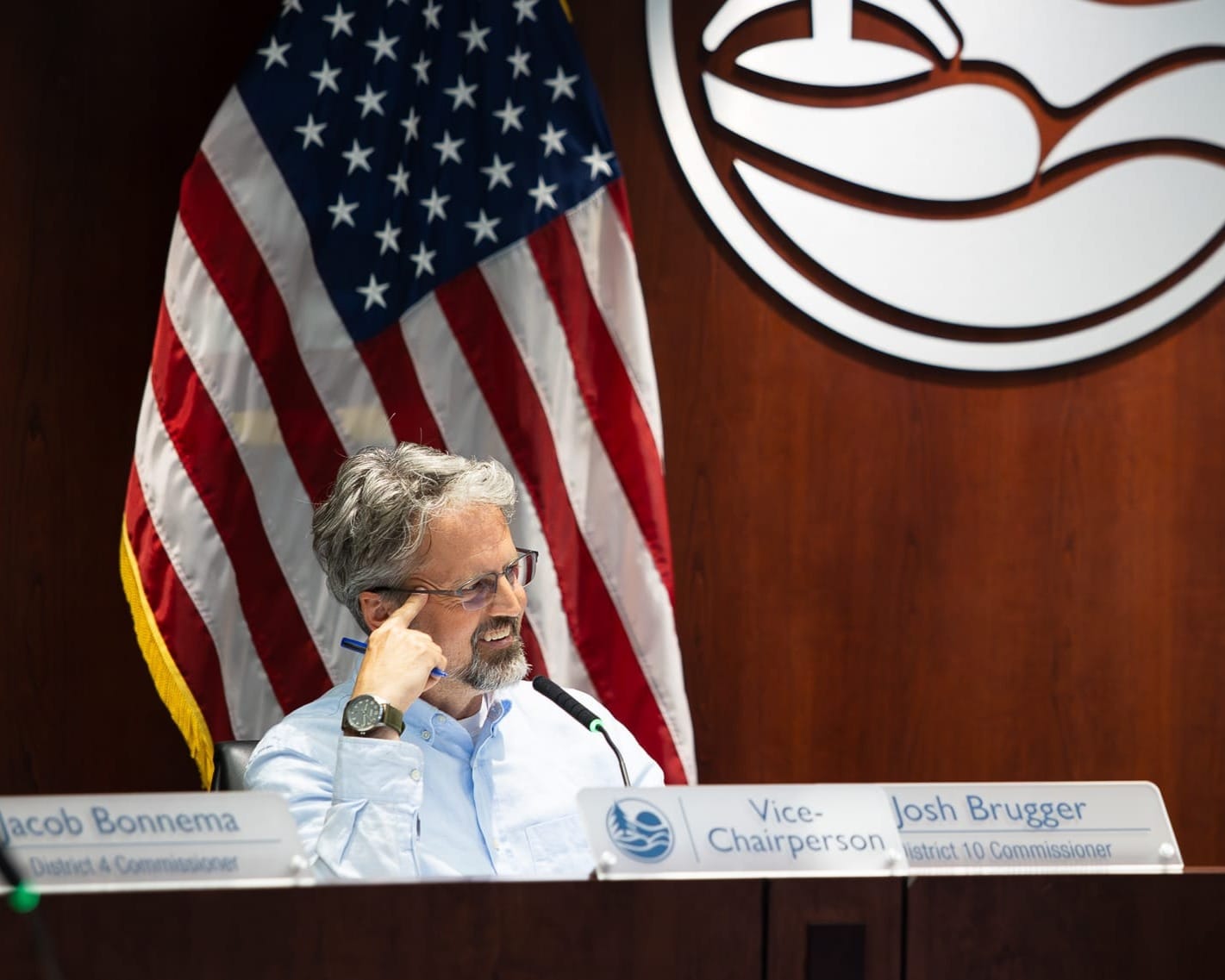
Chair Josh Brugger said he was still working on a date and location for a work session, but said it likely will take place in late September or October.
"Because work sessions are typically less structured than our formal board meetings, I’ll be reaching out to Sheriff DeBoer to discuss a format and approach that will be informative and helpful to commissioners and those interested in learning more," Brugger said.
"Based on the emails we’ve received and public comment offered at today’s board meeting, there’s definitely a community interest in learning more as we all weigh out the pros and cons of the technology and its application here in Ottawa County."
— Sarah Leach is the executive editor of the Ottawa News Network. Contact her at sleach@ottawanewsnetwork.org. Follow her on Twitter @ONNLeach.


