

Ottawa County officers explain their roles as compensation commission mulls over raises
Ottawa County's Compensation Commission is doing things by the book this year — and for good reason — after it was revealed that the county’s insurance authority found an “internal” way to recompense Water Resource Officer Joe Bush and Treasurer Cheryl Clark for raises they never received in 2025.

OTTAWA COUNTY — Ottawa County's Compensation Commission is doing things by the book this year — and for good reason.
At the commission's first meeting of 2026 earlier this month, it was revealed that the county’s insurance authority found an “internal” way to recompense Water Resource Officer Joe Bush and Treasurer Cheryl Clark for raises they never received in 2025.
The disclosure caused fresh political tension between the far-right conservatives affiliated with Ottawa Impact, the political group that oversaw the compensation commission's work in 2024, and the current moderate conservatives running county government.
After the board of commissioners' April 30 meeting, where OI commissioners and the moderate majority traded barbs, Chair Josh Brugger had had enough.
Read More: ‘Shoveling sh!t’: Officials point to Ottawa Impact for new kerfuffle over compensation commission
“Since taking office last January, the new board and especially John and I, have been shoveling a huge pile of sh-t," Brugger told ONN on May 1. "When it comes to shoveling manure, Ottawa County farmers know that eventually you’re bound to step in it.”
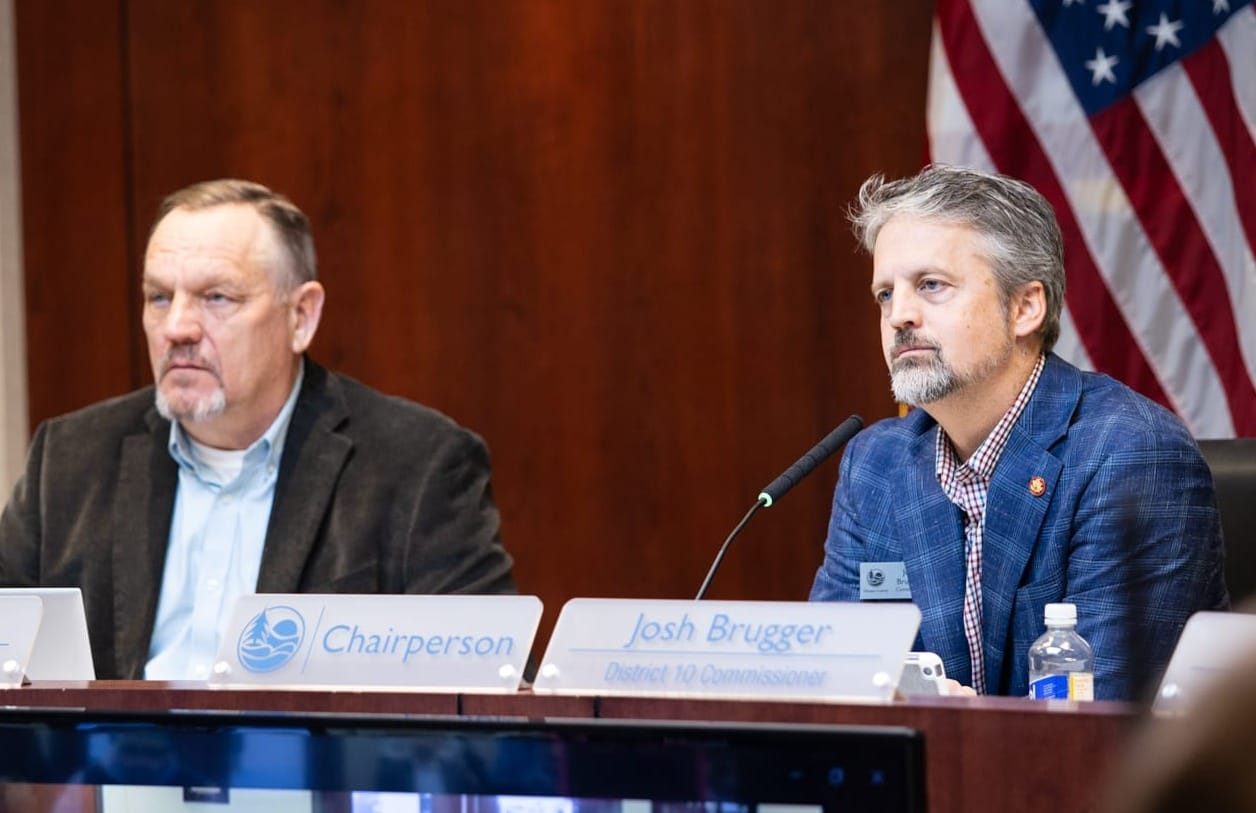
Brugger has worked closely with Commissioner John Teeples, who served as chair in 2025, after voters opted to elect more moderates over the OI majority that oversaw a tumultuous two-year tenure that saw multiple controversies — including more than half a dozen lawsuits, a brief investigation from the Michigan Attorney General's Office and made national headlines.
"That pile was created by Joe and Sylvia’s leadership. …," Brugger said of former board chair Joe Moss and Commissioner Sylvia Rhodea, the founders of OI, who still sit on the county board.
How we got here
County commissioners are responsible for determining compensation levels for county employees, as well as for themselves and elected officials.
Because pay levels can become a sticky political subject, Michigan counties have the option of creating a compensation commission to handle the task.
The commission is a citizen-appointed board, where participants serve three-year terms. Formed in late 2005 in Ottawa County, the commission is charged with making determinations for the pay of county elected officials in even-numbered years that go into effect the following odd-numbered years.
State statute requires that the compensation commission must complete its work within 45 days of its first session and may not meet for more than 15 "session" days; all meetings and actions by the commission also must be in compliance with Michigan’s Open Meetings Act.
On March 11, 2024, the compensation commission, which by then included four new members, all of whom either have politically or financially supported OI — Mark Brouwer, Craig Dunlap, Angela Loreth and Lynn Janson — met for the first time and started the 45-day clock.
The first determinations occurred on April 11, 2024, when four of the six active commissioners decided three separate determinations to forward to the county board.
- The prosecutor, sheriff, treasurer, clerk/register of deeds, and water resources commissioner shall have a salary increase of 8% effective Jan. 1, 2025, and a salary increase of 6% effective Jan. 1, 2026. (Approved 4-0)
- The chairperson of the Ottawa County Road Commission shall have a salary set to $15,500 per year effective Jan. 1, 2025, and a 0% increase effective Jan. 1, 2026, and all other road commissioners shall have a salary set to $12,500 per year effective Jan. 1, 2025, and a 0% increase effective Jan. 1, 2026. (Approved 4-0)
- The chairperson of the board of commissioners shall have a salary increase of 60% effective Jan. 1, 2025, and a 0% increase effective Jan. 1, 2026. The vice chairperson of the board of commissioners shall have a salary increase of 60% effective Jan. 1, 2025, and a 0% increase effective Jan. 1, 2026. All other commissioners shall have a salary increase of 60% effective Jan. 1, 2025, and a 0% increase effective Jan. 1, 2026. All commissioners shall receive a monthly stipend of $1,000 for purposes of compensation for healthcare coverage. (Approved 3-1)
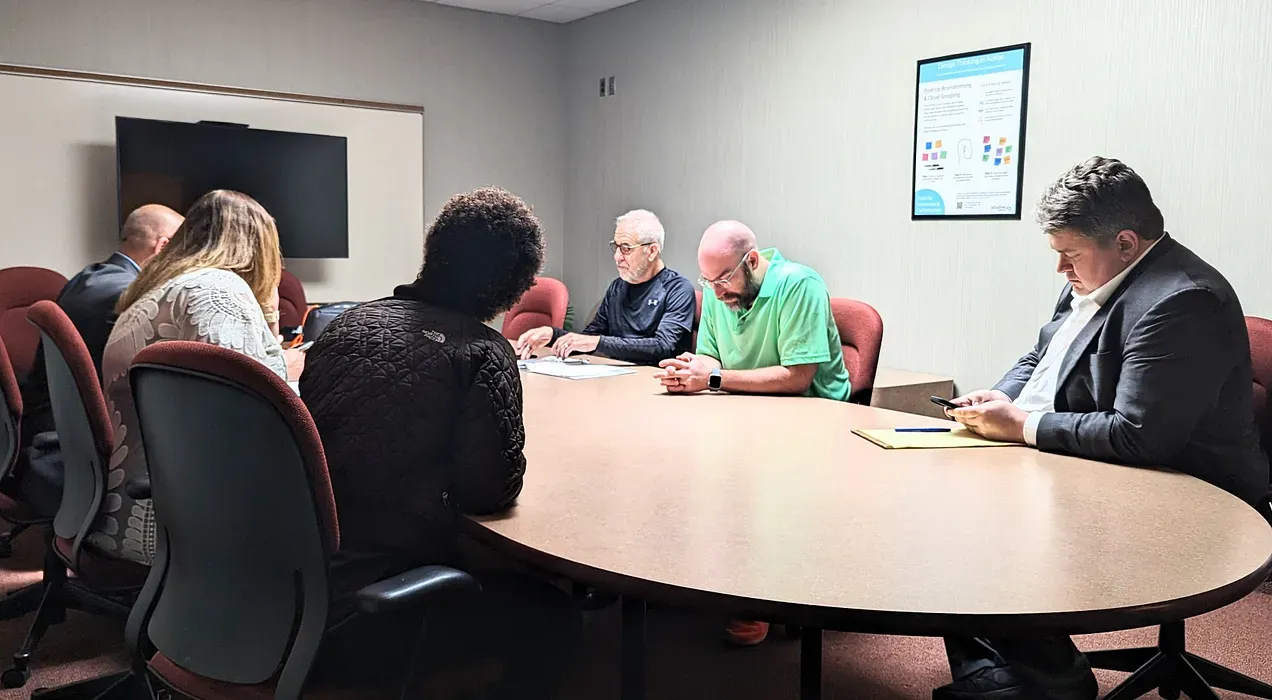
On May 2, 2024, the commission met again to approve additional salary increases for the treasurer and water resources commissioner positions to make their compensation match the clerk/register of deeds, effective Jan. 1, 2025, and provide a 6% increase to their salaries, effective Jan. 1, 2026.
Shortly after that meeting, however, widespread media reports revealed that the May meeting took place outside of the commission's 45-day window to make determinations — the clock expired on April 25 — making May's meeting not legal.
It was also reported that the April meeting wasn't legal, as it wasn't properly noticed to the public — a requirement under OMA. The 60% raises for county commissioners also were in doubt, as the 3-1 vote from the April meeting didn't meet the legal minimum threshold of four votes in favor of the determination.
After an ill-fated "re-enactment" of the April 11 meeting on May 23, 2024, Moss refused to put the determinations on the agenda for the board of commissioners to consider and blamed the media and then-Compensation Commission chair Larry Jackson, a Democrat, for the county's failure to get the process right.
Read More: Compensation commission 're-enacts' April meeting to comply with OMA, but will it work?
Despite the documented evidence of the board’s votes, Moss claimed the 60% raises were a "phantom increase” and accused Jackson of “election interference” and “collusion.”
"The Democratic liberal media are truly the enemy of the people,” Moss said at the board of commissioners' May 14, 2024, meeting.
Ottawa Impact lost its controlling majority at the beginning of 2025, after only four of the seven OI incumbents seeking re-election managed to keep their seats.
A new majority comes in
As the new moderate Republican majority settled into their roles, their top priorities were to find a new permanent administrator — there were five from January 2023 to October 2025, when former deputy administrator Patrick Waterman returned to fill the current administrator role — and to settle the numerous outstanding lawsuits against the county stemming from the Ottawa Impact era.
The current board also attempted to resolve the compensation issue for Bush and Clark.
Read More: County commissioner: Ex-board chair Moss 'misled' colleagues to secure buyout to avoid probe
At the Dec. 9 finance meeting, Waterman brought forward a resolution to accept the Officers' Compensation Commission’s April 11, 2024, determination to increase the salary for the treasurer and water resources commissioner position “to equal the base pay of the county clerk/register effective immediately.”
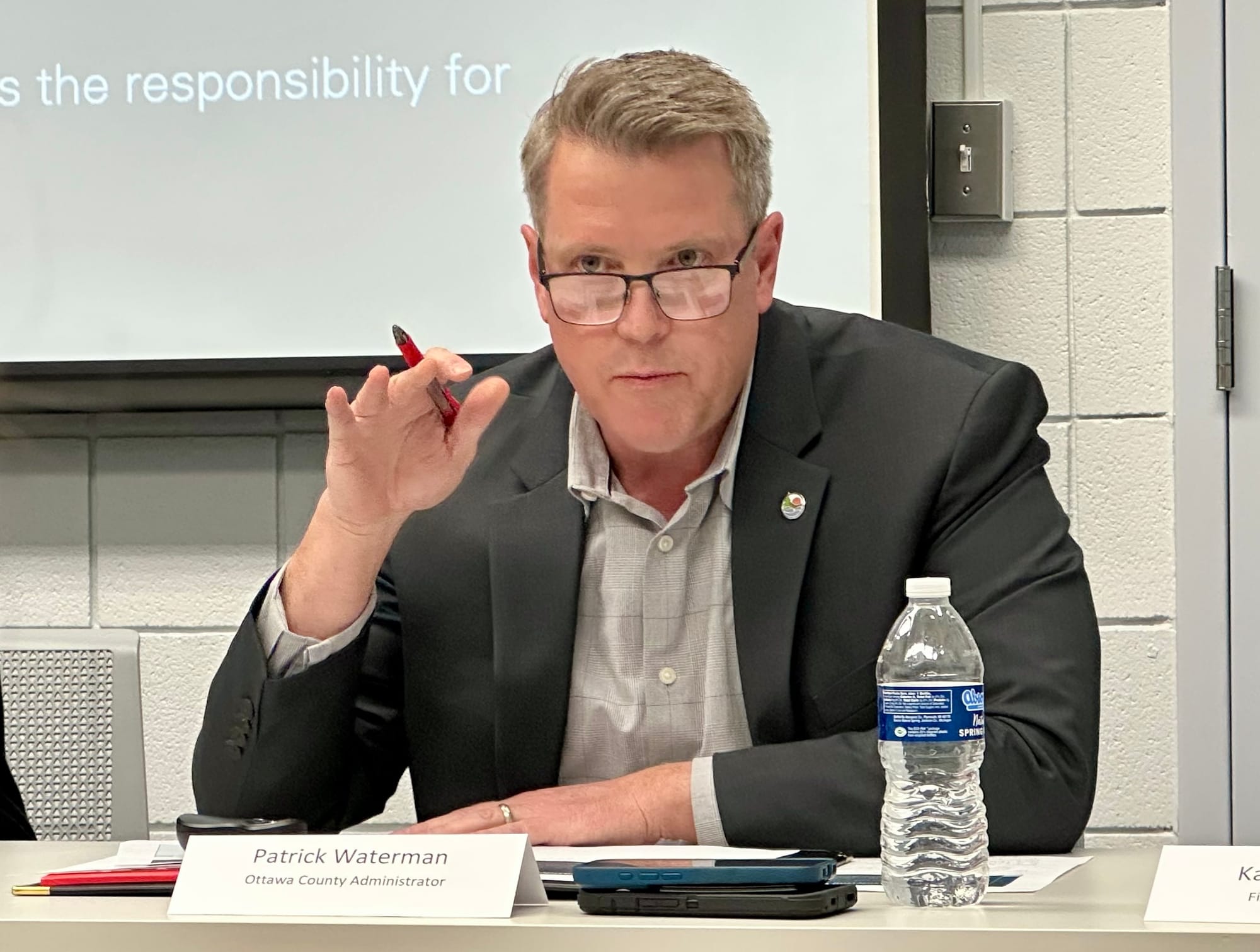
Essentially, it was to honor the spirit of what the compensation commission determined, despite all the legal issues surrounding how the meetings happened, Waterman said.
“Unfortunately, the OCC failed to document that decision until after the 45-day period had expired. However, the OCC chairperson has confirmed that the commission did indeed make the decision to adjust their base pay within the required 45-day period, but due to an oversight, that decision was not included in the original resolution to the board of commissioners to give those positions the flat increase along with the corresponding percentage increase,” Waterman said.
The base wage adjustment of 8% totaled an additional $12,909 for the water resources commissioner position and $2,551 for the treasurer role.
Waterman also provided a signed affidavit from Jackson attesting that the four compensation commissioners present at the ill-fated April 11 meeting voted unanimously to increase Bush and Clark’s base pay by 8%.
“My understanding was that implicit in that vote was that the annual pay increases for the water resources commission[er] and county treasurer should be on top of the base salary equalized with the county clerk/register of deeds as we had previously concurred,” Jackson said in the affidavit. I believe that the three other members present that day had the same understanding.”
One potential legal reason Waterman sought the board's approval was the legal implications of the former county board not acting on any of the compensation commission's determinations in 2024.
State law defines actions a board of commissioners can take in response to a compensation commission’s determinations:
- Reject the determinations of the commission in whole or in part by a two-thirds majority.
- Accept the determinations.
- Do nothing, in which case, the determinations by the compensation commission will go into effect the following year.
“By law, if there was a decision, then it's effective, because they didn't reject it. We had a situation where, frankly, only litigation would have resolved it, and some court would have to decide, ‘Did they or didn't they?’” County Corporation Counsel Doug Van Essen told ONN.
“There's no question that they memorialized it in May after the window had closed. The question was, had they really effected it? The way the statute reads is it’s a decision that requires the concurrence of the majority. Well, what does concurrence mean? They don't have to vote. They don't really have to even keep minutes. Minute taking is a good way to memorialize, but the statute doesn't require that.”
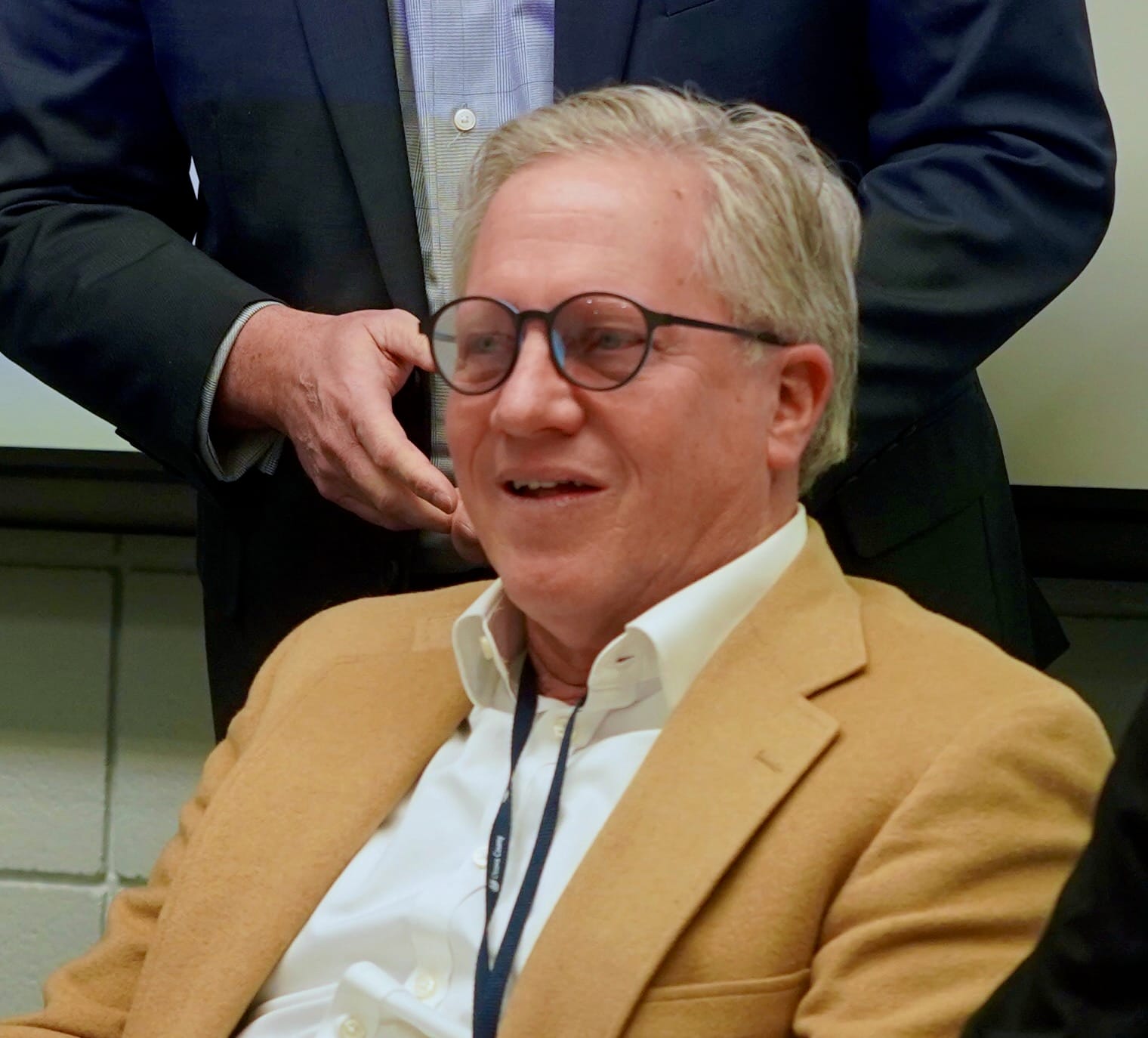
Waterman told commissioners at the December meeting that Bush and Clark would not seek back pay to the beginning of 2025 if the board were to adopt the determination.
Ultimately, the current board opted not to act again.
That perpetuated the county's liability, Van Essen said.
“It was one of those things that only, probably, litigation would have resolved. And who in Ottawa County needs more litigation?”
That’s why the insurance authority had to act, Van Essen said.
An 'internal' fix
At the compensation commission's first meeting on April 22, 2026, Van Essen attempted to steer the commissioners toward resolving the base pay issue for the water resource officer and treasurer.
“I think there's a lingering issue that this mission should take up fairly soon here. After the controversy developed beyond the commissioners, which kind of settled down fairly quickly, we had the treasurer and water resources commissioner …"
Van Essen then urged the commissioners to take formal votes immediately on all determinations they make.
“I think the premise we're operating on is if you're going to do that, it should be done in a little more formal way. Memorialize what the vote is so that there's clarity,” he said. “I do think it's a lingering issue that should be resolved by the commission fairly early on in this process. What are you going to do with that request that's been hanging out there for two years?”
“What methodologies will be available to try to get them back on track?” asked Compensation Commissioner Ron Frantz, who served as the county's prosecuting attorney for several years before briefly serving at interim deputy administrator when the current board was sworn in in 2025. “We can set salary, but can we also give a lump sum, or is there some other way?”
Van Essen said the goal of the commission ought to be “forward-thinking rather than going back, because you can end up doing more harm by trying to fix something that gets lost, and then two years later, what we don't want to have to do is explain what we did two years ago.”
“We've tried to deal with that internally,” he said.
That prompted follow-up questions from Janson.
“I guess I'd like to hear more about what you mean by ‘the county tried to do it internally,’” he said.
Van Essen then revealed that the county’s insurance authority had hired Bush and Clark for side projects that bridged the gap of the lost pay increases they would have previously gained.
“Recognizing that there was this confusion in this chaos, we found additional tasks that we needed done that we assigned on a temporary basis to each of those officers to try to make up the compensation difference,” Van Essen said.
“Why?” Janson asked.
“Well, because we felt strongly that they thought a decision had been made,” Van Essen explained. “We had these additional tasks that we needed to have done, and we thought this was a way of internally freeing up this commission from having to go backward and deal with it.”
“I guess that's a little disappointing to me that I'm volunteering my time to do this, and the recommendations that we're making are being ignored by the county,” Janson said. “I find that rather frustrating.”
The “internal” fix Van Essen referenced was completed through the county’s insurance authority work group, a separate legal entity that Ottawa County created in 1989 to manage the county’s insurance coverage and risk assessment — including addressing various legal liabilities.
Van Essen provided memorandums of understanding to ONN on April 29 that outlined the projects assigned to Bush and Clark at the beginning of 2026. The contracts set up each to perform work outside of their normal job duties as 1099 independent contractors for the county outside of their standard employment.
Bush agreed to “undertake an analysis and provide a report” on the viability and value of property for sale to the Michigan Department of Transportation for an interchange that would extend the southern reach — or Phase 2 — of Ottawa County’s M-231 highway.
The insurance authority also asked Bush to determine the viability of the property to be used as affordable housing and/or residential housing development for a compensation of $12,000 — $909 less than what Bush would have made had his base pay been properly adjusted in 2024.
Clark agreed to report monthly to the insurance authority and its work group on statewide statutory and case developments in the "Rafaeli cases," referring to the landmark 2020 Michigan Supreme Court case on Rafaeli LLC v. Oakland County, where the court unanimously ruled that local governments violate the state constitution when they keep the surplus proceeds from selling a foreclosed property for unpaid taxes.
Clark also agreed to report to the insurance authority on the Pung v. Isabella County case, where the U.S. Supreme Court is currently considering whether local governments must pay "just compensation" based on a property’s fair market value — rather than just the auction sale price — when seizing and selling a home to satisfy a tax debt. A decision on that case is still pending.
Clark’s compensation for the work was for a one-time fee of $3,000 — $441 more than what Clark would have made had her base pay been properly adjusted in 2024.
Bush’s signed MOU was not dated in the records provided to ONN; however, it indicated a date sometime in December 2025. Clark’s also wasn’t dated; however, it indicated a date sometime in January 2026.
At the April 30 county board meeting, several commissioners said they were frustrated with the discovery, as most of them were unaware of the insurance authority's decision to "fix" the Bush-Clark compensation issue.
“Part of the rationale in the desire to correct the monetary error was to avoid further potential litigation against the county by elected officials who felt they were wronged by county administration,” Waterman explained in an email to the board prior to the April 30 meeting.
Despite the awkward optics, Waterman said, “What was done was legal, ethical. It was open. There was a public meeting. It was within the board work group’s authority to sign an outside contract. They do that often, and it alleviates the legal risk.”
The insurance authority's work group does not make its meetings public and the MOUs with Clark and Bush were not publicly disclosed in the insurance authority's meeting minutes in January and February; however, Waterman told the county board on April 30 that he verbally reported the contracts to the full insurance authority during his January administrator's report.
ONN obtained copies through a Freedom of Information request.
Brugger came to Waterman's and Van Essen's defense, saying the finance committee never gave the administrator a clear directive back in December.
“We never gave a directive," Brugger said. "The motion was to table the recommended solution and to direct Patrick to come up with something else. It didn't say: 'Come up with something else and bring it back to the board.'”
What do the county officers do?
Deputy Administrator Brian Dissette began the compensation commission's May 4 meeting by establishing exactly when the current commission needs to complete its work.
"You have 45 days to get through this. And the date that we should all just be thinking about is June 6," he said.
"Is it June 6 or is it June 4?" asked Commission Chair Amanda Price, who previously served as the county's treasurer as well as a state representative.
"I believe that I've counted this correctly," Dissette said. "However, if in the spirit of ... safety, you prefer to use June 4 as your absolutely drop dead date, then I have absolutely no concern about that."
Dissette then told the commission that the board of commissioners did not approve a county wage study prepared by Chicago-based consultant firm, Baker Tilly, as expected at the April 30 meeting.
"I told you all that the board of commissioners was set to meet on April 30 to review the Baker Tilly study. They did do that; however, no formal action was taken. The item was tabled," Dissette said. "The board members still are looking for some more information. Where that leaves all of you is we're in a little bit of an unknown."
The wage study is a key piece of evidence that would help inform the commission on its work because, if approved, it would set wages from entry-level to deputy department heads. The commission could then determine the wage gap that would be appropriate between the deputies and the elected officers who oversee those departments.
"There are wages that, if approved, will create some upward pressure between the chief deputies and their elected officials," Dissette explained. "However, no action has been taken, and more than likely no action would occur until the board's formal meeting in May."
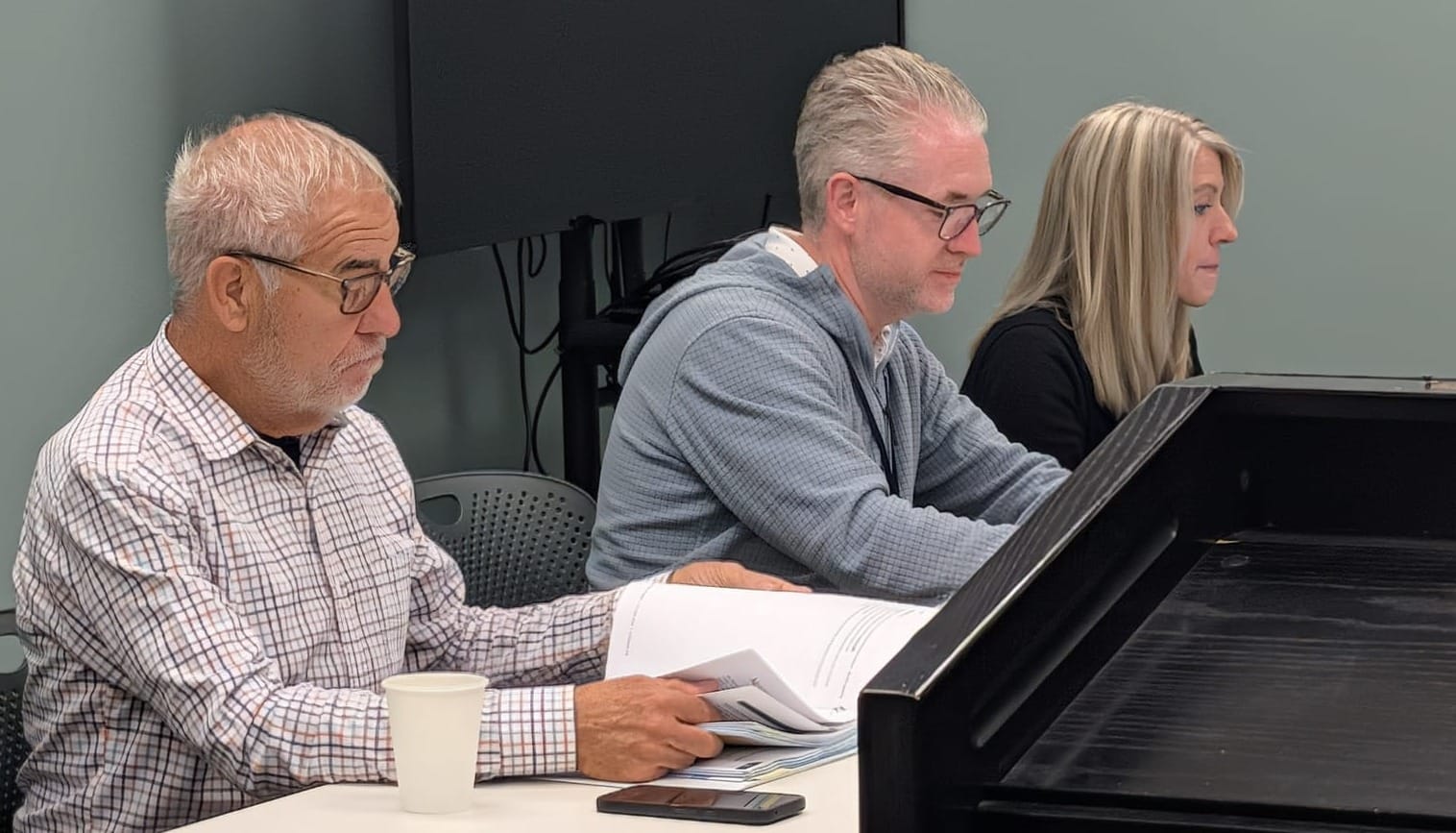
The commission then opened a public hearing, allowing the countywide elected officers to explain their roles, as well as how their compensation compares to that of other counties.
Sheriff
Current compensation: $171,283
The Ottawa County Sheriff's Office serves roughly 250,000 residents, said Sheriff Eric DeBoer.
"About a quarter million people rely on the Ottawa County Sheriff's Office as their primary police department. In practical terms, we are the day-to-day police agency for almost the entire county," he said.
In Kent County, by contrast, there are a large number of cities with their own police departments, including Grand Rapids, Wyoming, Kentwood, Walker and Grandville, he said.
"When you add those communities together, you get about 400,000 residents who are primarily served by city police departments, leaving roughly 240,000 residents where the Kent County Sheriff is the main police department," DeBoer said, making the point that Ottawa serves more people.
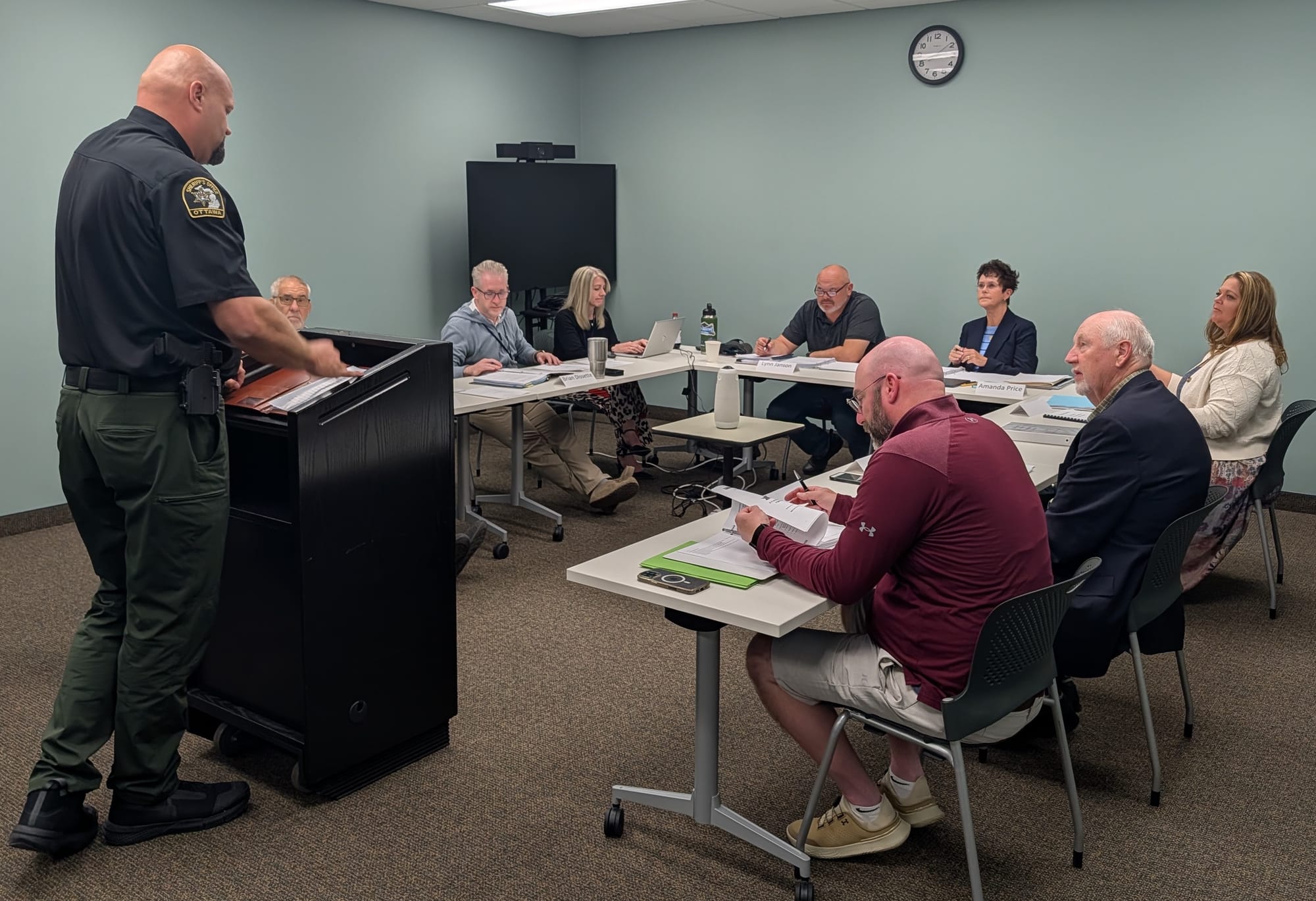
Ottawa is also one of the fastest-growing counties in Michigan, with the local unit population showing steady growth since 2020.
DeBoer said a recent analysis noted that Ottawa County's growth is outpacing much of the state.
"Growth is a blessing, but it also creates complexity, more traffic, more calls for service, more development, and more demand for proactive policing and community engagement. Planning for that growth through redistricting, staffing adjustments, technology upgrades, and capital planning is now a central part of the sheriff's role," he said.
He said the sheriff's office maintains 27 contracting relationships with cities, villages, townships, and schools, either to supplement their services or fully provide police services on their behalf.
"Each of those contracts brings expectations, accountability, and partnerships with the elected officials in that community. In addition, we operate a full-service jail, marine and dive operations, animal control, and a growing portfolio of specialized units and community programs. At the same time, we're preparing for accreditation, modernizing our technology and record system and building data capabilities to guide staffing and deployment," DeBoer said.
DeBoer didn't make a specific request or suggestion to the compensation commission on what his position's pay should be, but he tried to underscore the complexity of the role.
"The sheriff's office is one of the primary tools for delivering on that growth-oriented vision, and making sure the position is compensated in a way that supports stable long-term leadership is a part of that preparation," DeBoer said.
"I'm intentionally not asking you to adopt the specific dollar figure. I trust this commission to exercise its judgment within the range you believe is fair. But I do want to be clear that at present, there is a significant percentage gap between Ottawa, Kent, and Kalamazoo counties."
Design by Sarah LeachCompensation Commissioner Janson asked if it was "conceivable that a position like yours could be setting policy while spending many of your days on the golf course."
DeBoer said he generally puts in 40- to 50-hour work weeks, but admitted that state law doesn't require county sheriffs to have any law-enforcement experience.
"Honestly, you could be as checked out as an elected as you want. And I think that's one of the things we have to balance; you could be as ignorant as you want in this position," he said, "because you're not hiring me based on my qualifications. I happen to be qualified."
He said the point is, if the county wants to "attract the people that have the intelligence and the education and those skillsets," then the county should consider raising the salary.
Prosecutor
Current compensation: $194,472
Sarah Matwiejczyk told the compensation commissioners that the public often doesn't understand the role of the county prosecutor.
"A lot of people don't know that the prosecutor is the chief law enforcement officer, which means that not only are we handling all the cases from the sheriff's department, which constitute approximately 75% of our cases, we also are dealing with the Grand Haven Police Department, Michigan State Police, the Michigan Department of Natural Resources and all other police agencies who are investigating crimes within our county," she said.
She said even though the state agencies might not have as many cases as local police, they each have their own ways of handling things, she said, including their own detectives, computer systems, case management systems and technology.
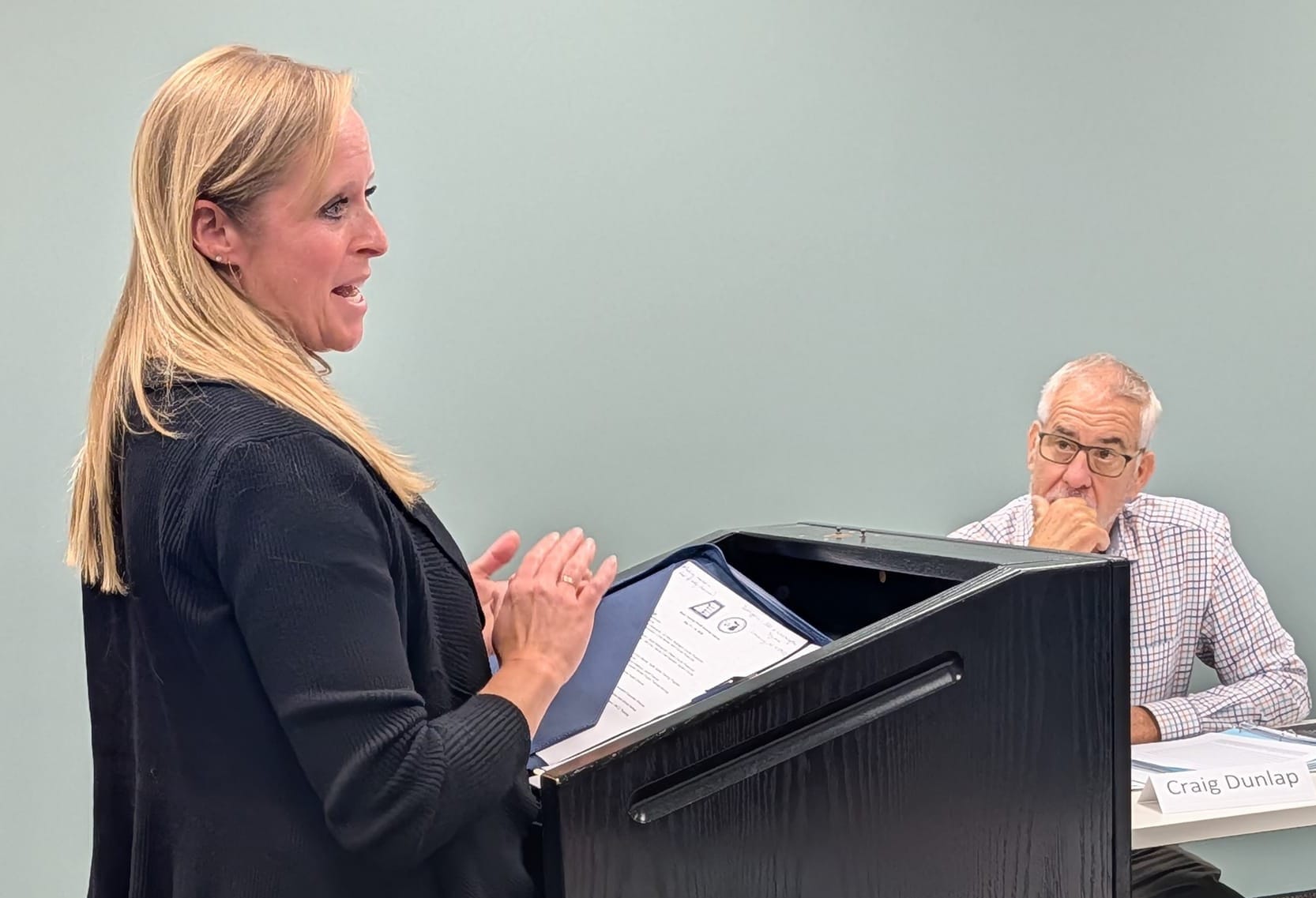
Matwiejczyk said one of the biggest challenges for her office is to manage the communication between multiple parties, from law enforcement to victims to the courts.
"That complexity with technology has just been absolutely time-consuming for myself, as I have to make those ultimate decisions and certainly an amazing staff that I have that helps get that information to me correctly," she said.
She said the prosecutor's office not only handles adult criminal cases, but also juvenile criminal cases, as well as mental health hearings, personal protection orders and abuse and neglect cases.
There is also communication with the public defender's office, privately retained attorneys and law firms and working with people who represent themselves.
"There's a lot of communication in a lot of different ways," Matwiejczyk said.
She also said she has to remain on call in the event of an emergency.
"At any moment, that phone call, that text, that email has to be responded to within a very short period of time because crime happens quickly," Matwiejczyk explained. "We need to make sure that people are held accountable and people are safe."
One thing on the horizon, she said, is that the county will get another judge in the near future.
Design by Sarah Leach"The state court appellate office has decided that we need more judges here in Ottawa County because of all of our growth," she said. "That means we have more courts we have to show up for; so, we're going to need more staff."
She said the more courts that are created, such as sobriety courts and diversion programs, and the more judges that are added to serve the county, mean even more expectations on her office.
"We've got courts in Hudsonville, Holland, Grand Haven and Fillmore," she said. "If they create new judges, we have to be there, and we have to handle the dockets that they handle."
She said the prosecutor also has to serve on a lot of executive boards "to make sure that they're keeping the safety of the community and honoring our victims to the best of our ability."
In terms of suggestions for the commission, Matwiejczyk said she suggested cost-of-living increases that all other county employees receive.
"I think that will solve that sudden rush every two to four years," she said.
Clerk-Register of Deeds
Current compensation: $140,619
Clerk Justin Roebuck told commissioners that his department is customer-service driven and serves all 306,000 residents in the county.
"The circuit court has roughly 130,000 documents a year on average over the past five years that have been filed. Our combined clerk and register of deeds office handles all land records, and we're roughly 30,000-60,000 documents per year in that area," he said.
He said thousands more documents go through his office for the county's vital records division, which includes birth, death and marriage records.
"There are thousands of copies of those records that we're providing to residents every year, as well as about 4,500 [concealed pistol licenses] that our office processes throughout the year," Roebuck said.
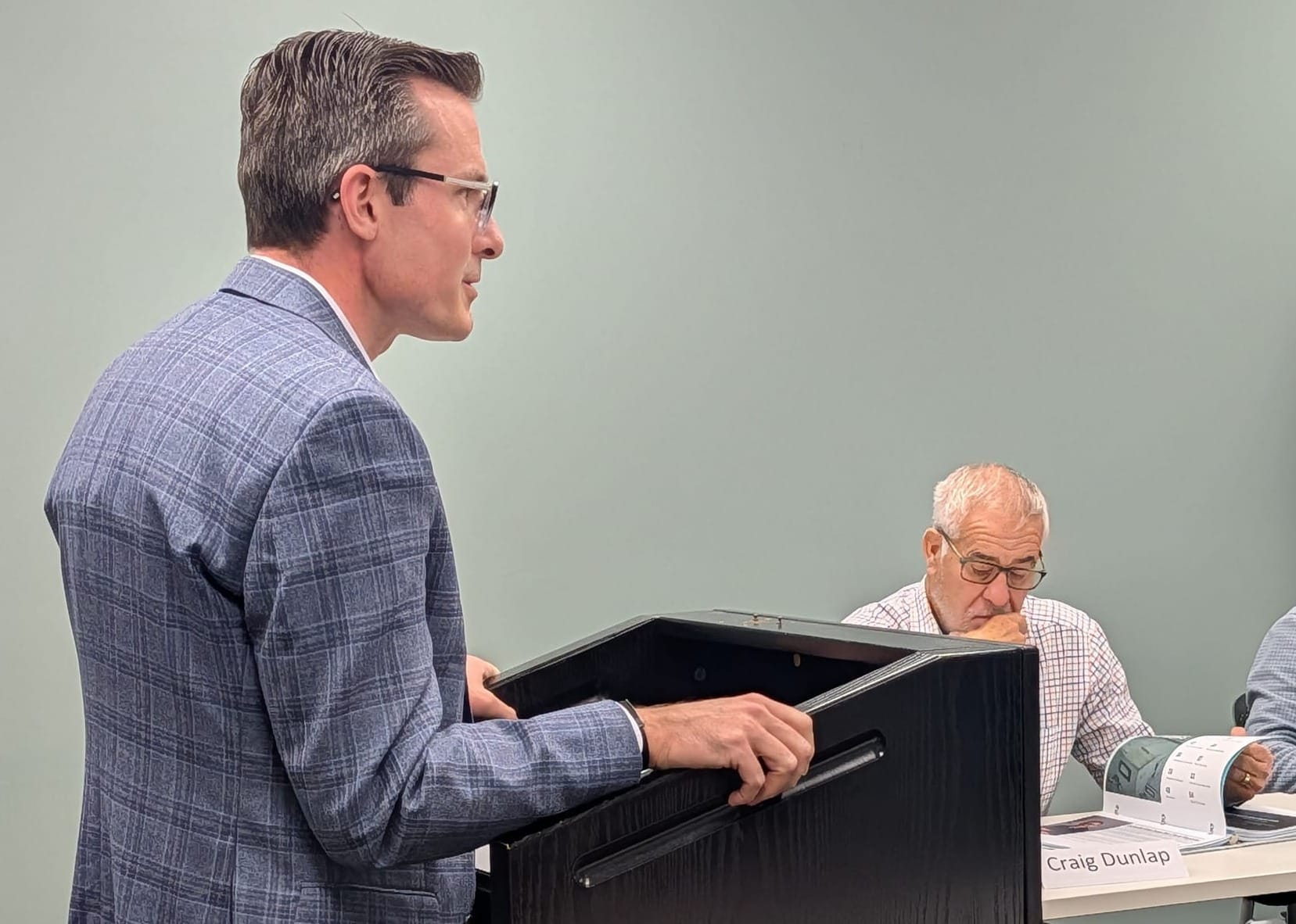
Roebuck said he also serves as the clerk for the county board of commissioners.
"I take that as an honor to serve in that way," he said. "It's a keeper of the official record of our board and all that we do as a county government operation."
Roebuck also serves as the chief election officer for the county's 237,910 registered voters.
"We train about a thousand election workers in every two-year cycle, and that's a huge part of our election operation. We also maintain all of our voting equipment, which includes the testing of every voting device before every election as well," he said.
Roebuck said there have been a significant number of changes in Michigan election law that "have caused a lot to be put on our election officials, both at the county and at the local levels."
"Early voting adds kind of a new layer of support for us in terms of how we make sure that we're supporting our clerks and voters, so we have to up our game for nine days prior to every state and federal election," he said.
There is also the regulatory role of campaign finance filings by candidates seeking elected office, as well as the political action committees that support them, making sure that we comply with Michigan election law.
"We're the campaign finance filing official for every local and county office — and those numbers are astonishing," he said. "We've seen our numbers from on average about 8-10 actively reporting committees in 2016; today, we're at just a little under 250 — that's actually down from the previous election year, when we had about 300.
Roebuck said the most emergent issue for his office is the transition from paper records to digital records, where his office is required to keep both forms — for now.
"Right now, we have a foot in the digital and a foot in the analog world. And so that means our staff is really doing double duty as we navigate this system of making sure that we can store and operate a digital workflow, but also physical paper copies," he said.
Design by Sarah LeachRoebuck also said that, as the register of deeds, his office helps residents with emergent issues such as property fraud.
"We continue to see a lot of national trends in terms of property fraud," he said. "On the land record side, we are focused on ways that we can do everything that we can to prevent that for our constituents. And that's a real thing."
In terms of suggestions to the commission, Roebuck said his is the only one that, in the Baker Tilly wage study, is evaluated below the median of any elected official in the county.
"I do think that is something that is worth looking at and worth addressing in terms of how we see our elected officials structured to the counties that we're comparing ourselves to," he said. "But I also would say, frankly, I trust you guys to make the call. I trust you guys to make the right decision."
Road commissioners
Current compensation: $12,500 (commissioner); $15,500 (chair)
The Ottawa County Road Commission oversees the maintenance of 1,790 miles of road, 521 lane miles of state highway system and 136 bridge structures.
That's according to Kurt Van Koevering, chair of the road commission.
The road commission also serves as a public utility for several townships, he said.
"We're responsible for the water and the sewer, and we also are responsible for the Southwest Ottawa County Landfill," Van Koevering said.,
He said the commission has been able to do more in recent years with additional road funding provided through the state's marijuana tax.
"The state Legislature finally did some work on the road funding. We're expecting another $11-13 million, depending on what happens with the marijuana tax," Van Koevering said.
Design by Sarah Leach"What we are doing as a board is we're starting to do a lot more strategic planning. Before, we were just getting enough money to repair roads and fix them, and with electric vehicles and fuel economies, that money was not increasing. So we finally were able to see some new funds."
Van Koevering said the commission, which meets every other week, also needs to stay engaged with entities such as Lakeshore Advantage, Macatawa Area Coordinating Council, Grand Valley Metro Council, West Michigan Shoreline Regional Development Committee (WMSRDC), Parks and Recreation Commission, the county's Department of Strategic Impact Director and several chambers of commerce to know "where we're having developments and what roads need to be adjusted."
"We are also working with the townships. I have visited all 17 townships once already with construction plans that we have for this coming year," he said.
The road commission is working diligently to keep the county's townships informed and is looking to find ways to engage township planning commissions to get their input on the needs for roads, water and sewers.
"We are aggressively networking, trying to get information, and that's what we are about now," Van Koevering said. "Before, we always had a reputation as being close-minded and not approachable, and we're trying to fix that."
Price noted that the road commission is and independent entity and that commissioners are appointed by the county board of commissioners.
"Basically, you approve our wages. We get our own funding from the state — we get no funding from the county — and then distribute it," Van Koevering said.
County commissioners
Current compensation: $20,884 (commissioner); $21,535 (vice chair); $27,127 (chair)
Brugger, who attended the meeting to speak on behalf of commissioners, said it was a unique role that had a wide variety of factors.
"As far as the commissioner gig goes, it's kind of this strange part-time, quasi full-time position, depending on the week and the day and the tasks or the crisis that may be out there," he said.
Brugger, who replaced Roger Bergman on the board as the District 10 commissioner, said Bergman advised him that the role typically took 15-20 hours per week.
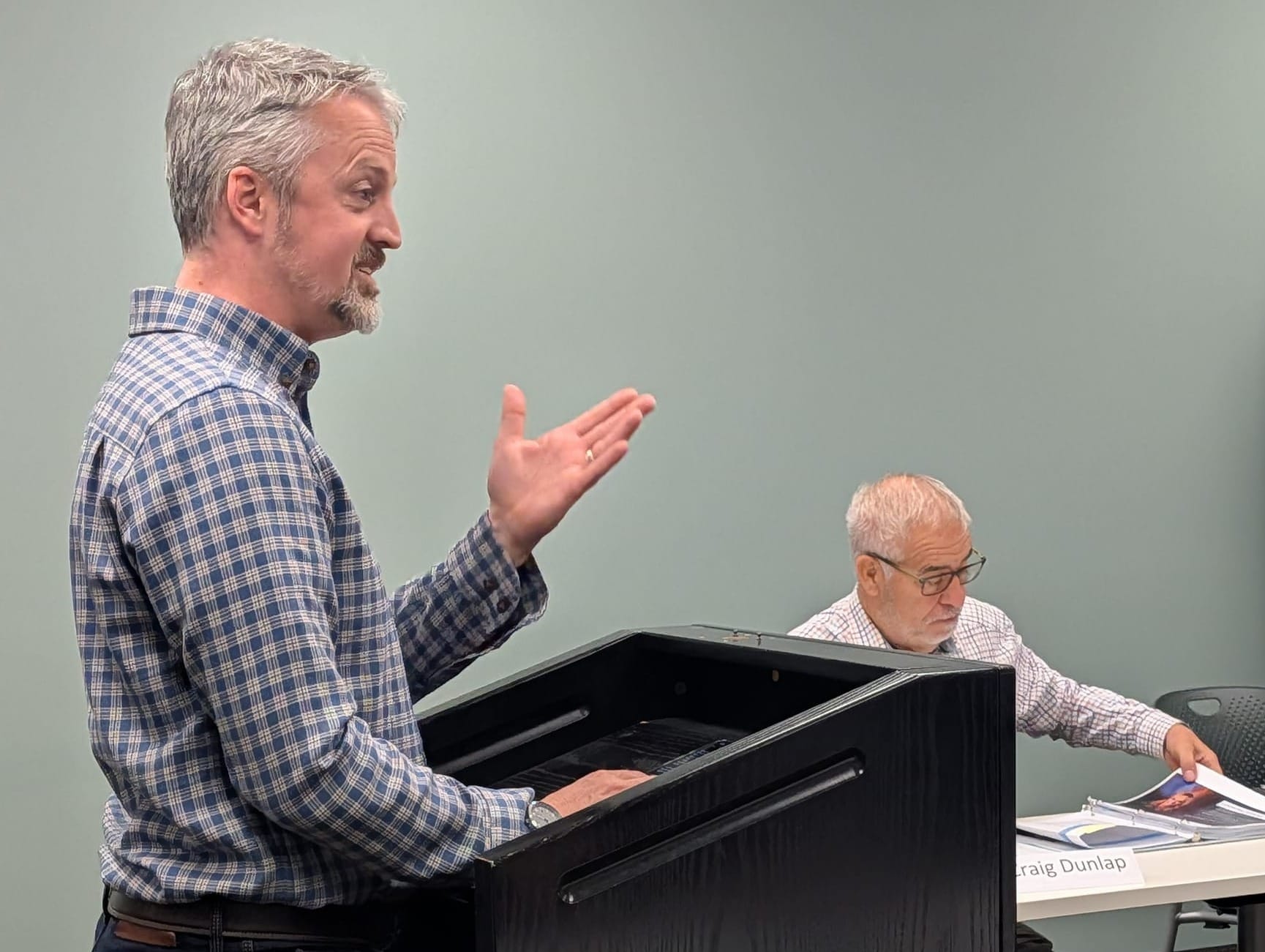
"I think the first three months of last year — I used an app that my company uses to track hours — one week was 46 hours. My little weeks were in the 30s," Brugger said. "It was a unique time for those first 90-120 days and beyond last year. But I do genuinely think that the role has changed from when Roger Bergman was in. It's quite a bit more demanding."
Part of that demand, Brugger said, is "our constituents rightly expect a lot more of us and we have to be out. We have to be there in the public, and we have to be available."
Brugger said his commitments as a commissioner in the 10th district and as board chair include:
- Ottawa County Board of Commissioners
- Finance and Administration Committee
- Planning and Policy Committee
- Appointment and Alignment Committee
- Economic Development Corp.
- Kent-Ottawa-Muskegon Foreign-Trade Zone
- Ottawa County Insurance Authority
- Land Bank Authority
- WMSRDC
- Spring Lake - Lake Board
- Floyd's Bayou Lake Board
- Chamber of Commerce Grand Haven, Spring Lake, Ferrysburg
- Lakeshore Advantage
- West Coast Chamber of Commerce
- Grand Haven, Spring Lake Village, Spring Lake Township, Ferrysburg meetings
That doesn't account for the various community events representing Ottawa County, Brugger said, including parks dedications, Memorial Day, Veterans Day, Independence Day and Coast Guard events, plus nonprofit events, funerals, ribbon cuttings, community open houses and dinners.
Then there is the drive time to committee meetings, community events and phone calls, he said, plus spending one to four hours a week reviewing and signing contracts as the chair.
"Then, the intangibles that we all deal with. These are the best ones: random conversations with constituents when you're at the grocery store, when you're out to eat, when you're at the bookstore, when you're going on a walk, when you're on a date with your wife — who really loves it," he said.
Brugger said his recommendation was to lower the amount that the chair receives — currently just shy of 30% more — to be 20% more.
"I recommended 20% above. Then, the vice chair is probably half of what the chair is, whatever that is. So the chair is getting an extra 20%; vice chair could be closer to 5%," he said.
Design by Sarah LeachFrantz said he wondered if Brugger was himself short on "the bump that the leadership should get."
"That's just that's who I am. ... I mean, you guys do what you want to do. It's not necessarily a recommendation, 'Hey, we should make this much.' It was just a different way to look at it," Brugger replied.
County Board Vice Chair Phil Kuyers, who also attended the May 4 meeting, was in a unique position as well. First elected in 2000, Kuyers said the role has changed significantly with the digital era (he briefly didn't serve from 2022 to 2024 during the Ottawa Impact era after losing re-election).
"What social media has done to change my job is a totally different aspect of what I used to have as a county commissioner," Kuyers said. "There's a lot of time putting out fires that shouldn't exist just because of social media, and I realize that it's just part of what it is now because of the society we live in."
Compensation Commissioner Loreth said it was interesting to look at that evolution.
"I think historically it was just a 10-hour-a-week-type of role, and based on comments today, it's not anymore. And so, if we're trying to look at who we would like to have in those elected seats, if we want them to be people that are willing to put in ... full-time hours, I think it might be important for us to offer benefits to them as well," she said.
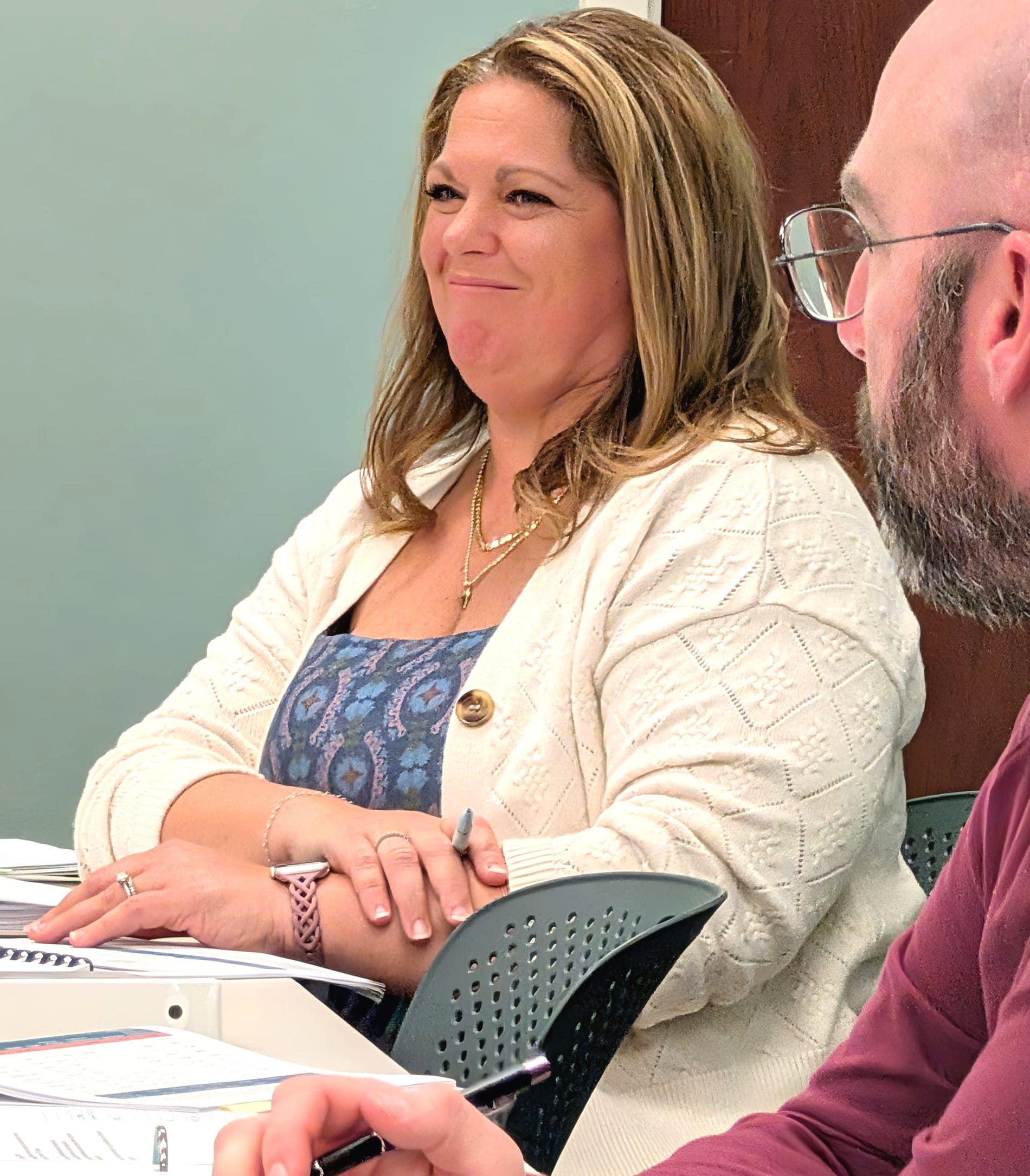
"Are we allowed to do that? I thought we couldn't do that," said Compensation Commissioner Brouwer.
"If the thought was to attract more people to those roles ... that would occur in three more years, because these folks are already in there," Chair Price said. "Although we could possibly give benefits to this group."
Field Reichardt, who chaired the compensation commission in 2018 and 2020 — and currently serves and a road commissioner and parks and recreation commissioner — said the compensation commssion opted in previous years to give county commissioners higher pay and lower benefits.
"The idea was that we would start to get some younger county commission members, and that began to happen, which was a good thing," he said.
"We really tried to go a little bit above the middle because we felt our county elected officials were pretty special," he said. "But one of the things that I would urge you to do is not look at the number of years that a countywide elected official has been in their role. Look at the position because you're comparing salaries to positions, not the individual who may be heroic."
One note of contention was the role of county commissioners and how far that authority extends.
"The way our county board is structured is the county board hires the county administrator to run the county. The county board interacts with the county administrator, but the county board is not to be micromanaging departments, elected officials ... anything," Price said. "That's the work of the county administrator and all the department heads. They report back to the board on what's going on in the county, and I just want to make sure that that's what your mindset is, too, as we approach this."
Brugger agreed.
"That's definitely my mindset," he said. "It's not a matter of micromanaging or dealing with staff issues — that has nothing to do with it. It's: 'What are the political calculations on this? What's it going to look like in the public? What's it going to look like to staff?' We need to get out of the situation.
"As chair of the board, you have certain responsibilities ... oversight of certain things that a regular commissioner may not have. We should be focused on setting policy and entrusting the delivery of that policy," he said.
Janson disagreed.
"My perspective [is] somewhat different than Amanda's," he said. "I've never been an employee of the county. And while, of course I don't want you as a commissioner to micromanage the employees of the county, there should be some level of oversight that the citizens of the county can expect.
"There needs to be an elected official responsible ultimately for that oversight. If we, as citizens, don't have someone we can go to with our complaints about something that has happened in the county, because there's no elected official at the top to hear our complaints — that's not a representative form of government," he said.
Janson attempted to share his thoughts on Bush and Clark's insurance authority contracts, which were quickly cut off by Price.
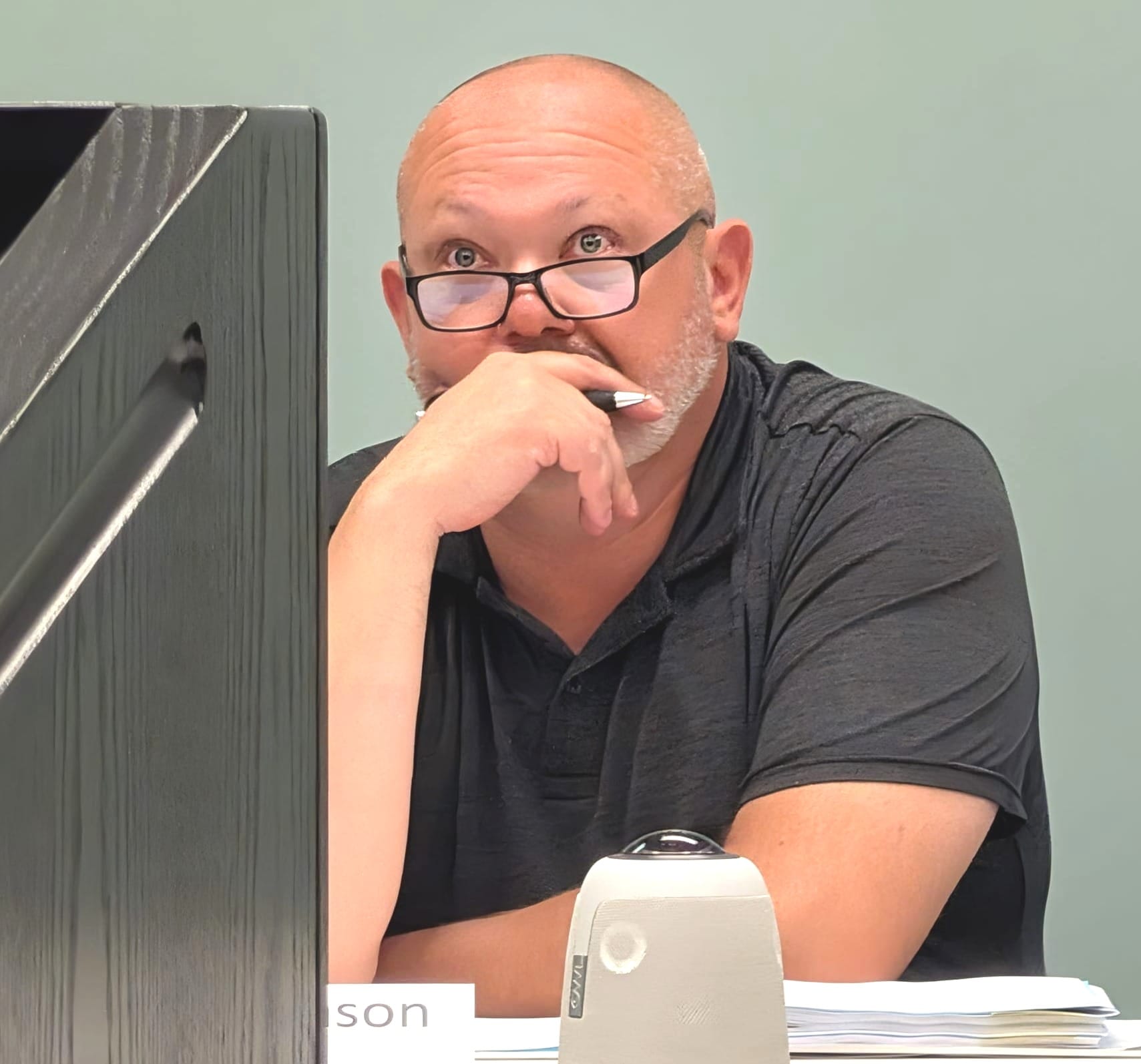
"For example, whether or not we agree with what happened with Mr. Bush and Ms. Clark, what I heard in the board of commissioners meeting was essentially 'this was handled by employees. This was handled probably the best way we could have handled it. Move on,'" Janson said. "I found that to be very unsatisfactory. As a taxpayer in the county—"
"Is this pertinent to our charge here?" Price interjected. "I'm sorry for interrupting you, because I want to keep us focused on what our charge is."
"Ultimately, we want big financial decisions made by this board," Janson said. "We cannot have a situation where employees of the county are spending county tax dollars without the board's knowledge."
Treasurer
Current compensation: $137,915
County Treasurer Cheryl Clark explained to the compensation commission that 90% of what the treasurer's office does is mandated by the state.
"I organize and monitor the budget for three different budgets: the general fund for our office, the delinquent tax revolving fund, and the land bank authority depository for all county funds," Clark said.
Clark said she also handles all of the cash that flows in and out of the county.
"I am the bank of the county," she said. "I invest surplus funds according to Public Act 20. I followed Ottawa County's investment policy, which is stricter than Public Act 20. And, in 2025, our portfolio averaged 3.587% on annual return, and we invested over $200 million.
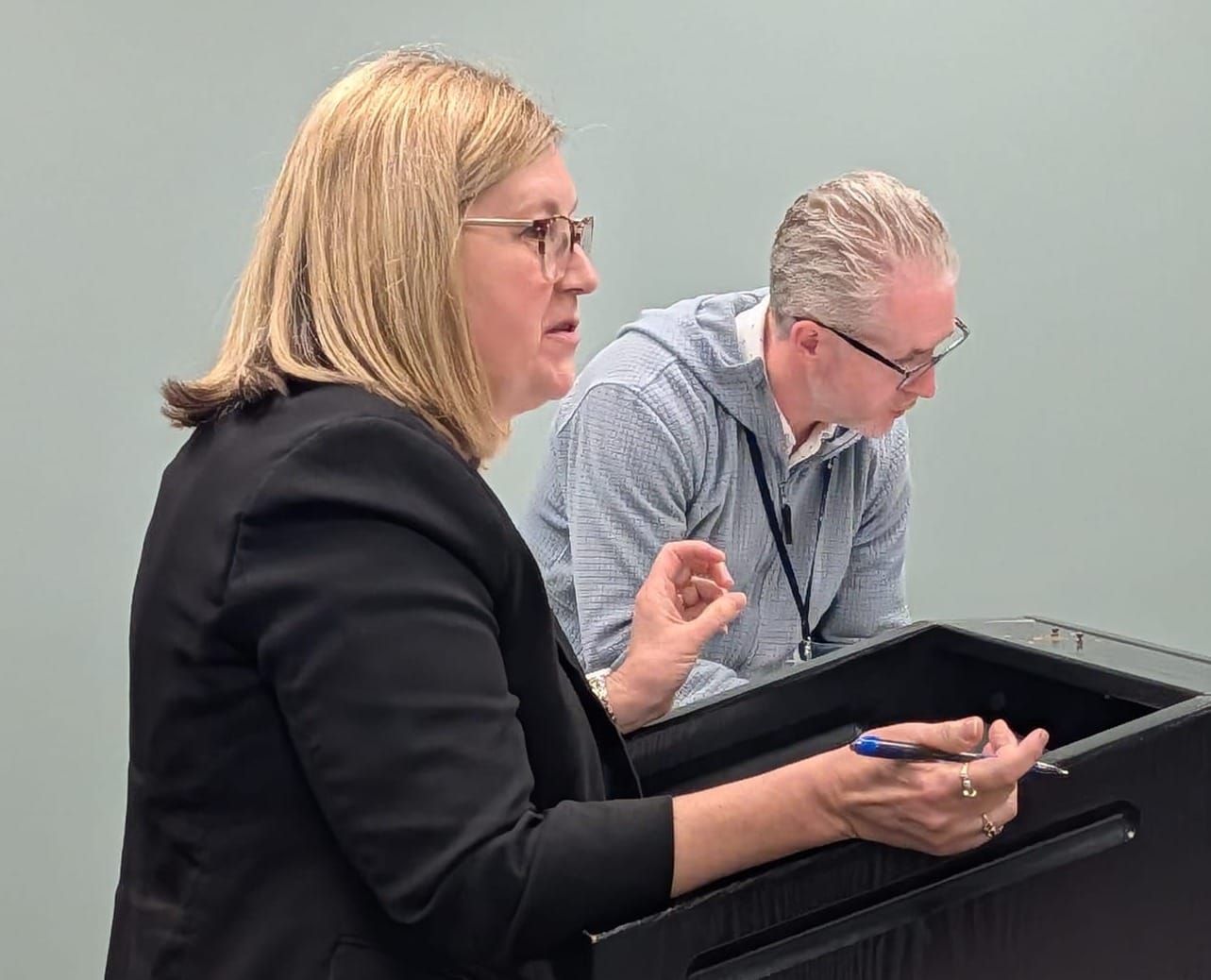
"I manage the bank and investment accounts with 35 bank accounts that I manage for the county alone," she continued. "In addition to that, I manage 23 road commission bank accounts, I manage the delinquent property tax collection. The law recently changed, adding a whole year to that collection process, which has led to additional responsibilities for me and my staff. I maintain the delinquent tax revolving fund, and this year we foreclosed on seven properties."
Clark said she also has reporting requirements to the board of commissioners to the county's fiscal services department, the state, the U.S. Census Bureau and the road commission.
She is also a member of the county elections commission, plat board, tax allocation board, brownfield authority, insurance authority, building authority, and land bank authority, of which she chairs.
"My experience, I believe, is comparable with the fiscal services director, which I gave you a spreadsheet with what her proposed salary will be with this wage study and I believe that, because my experience is comparable with hers, that I should be compensated the same as her," Clark said.
Those proposed wages would range from $133,288 (minimum), $154,298 (midpoint), and $178,619 (maximum).
Design by Sarah LeachWater resource commissioner
Current compensation: $126,937
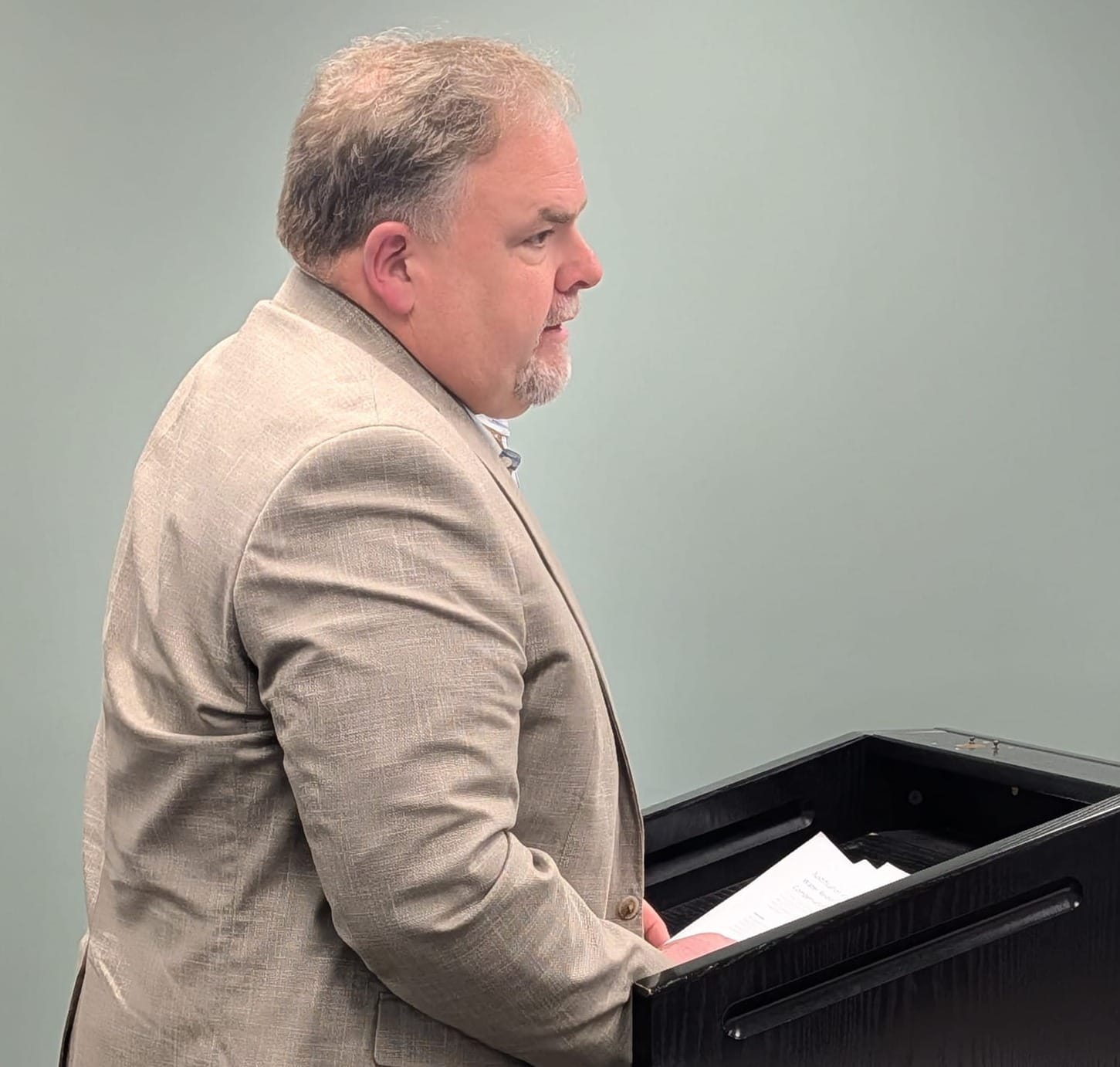
Water Resource Commissioner Bush said his role is unique in that it encompasses all things water: "They call me Mr. Water."
Bush said he works with all municipalities in the county on development and infrastructure, as water is inevitably always involved.
"I am county-wide," he said. "I'm on call 24/7 — doesn't matter what day of the week it is. I get calls, whether it's flooding, whether it's drought, whether there's a water main issue ... I get all the calls water-related."
The water resources commissioner oversees more than 8,100 catch basins, 292 ponds and 678 outfalls — the final discharge point where collected stormwater, wastewater, or treated effluent is released from a pipe, ditch or channel into a receiving water body, such as a river, stream, lake or the ocean — which have to be inspected regularly.
And the county continues to grow, Bush said.
"We're always somehow acquiring new ones through petitions, whether it's people petitioning for more county drains or jurisdictions from local municipalities or special assessment financing," he said.
Bush said he and his staff also review developments in Ottawa County.
"We average 90 new active permits per building in Ottawa, which is more than any of our colleagues," he said.
A key aspect of his job, however, is emergency preparedness.
"One thing that I'm always on call for is flooding. When the phone rings in the middle of the night and it's thunderstorming, it's usually a pretty emergent situation. ... So when 911 calls me or the emergency manager calls, we will go and take care of that," Bush said. "We also do flood risk management and then we have the dam and lake levels that we oversee."
Bush said his position is dictated by Michigan’s Municipal Separate Storm Sewer System, or MS4, a regulatory program managed by the Department of Environment, Great Lakes, and Energy.
Then there is the Geographic Information System in Michigan drain oversight, which refers to the use of digital mapping technology for drain commissioners and water resources commissioners to manage, analyze and map drainage infrastructure.
"The more we grow, the bigger the urbanized area gets and the more responsibilities I have," Bush said.
"It just isn't about drains. It's about water quality and water quantity," he said. "There have been issues in our county in the last 13 years — it's a main topic in this county. And we're kind of leading the charge on opportunities of what that looks like on aquifer recharge: reuse, repurpose water. So again, water is our most precious non-renewable resource," he said.
In terms of suggestions for the compensation commission, Bush said he looked to counties like Washtenaw, Kalamazoo, Kent and Ingham — all of which pay more than Ottawa.
Design by Sarah Leach"When I look at my base range, I think it should be somewhere in the $145,000-$165,000 range," Bush said. "Because when you look at other department heads or look at my wage at $126,000, currently, my chief deputy would be at $122,000 with the wage [study]. That's not much of a wage gap in between.
"My recommendation would be at least to make what Kent County does," he said.
Price asked why Ottawa has more drains than other counties.
"I just think Ottawa is the place people want to develop. Because these drains are from the mid-1800s," Bush said. "We're working on one right now on Lake Michigan Drive; that drain was established in 1909. ... I think Ottawa County was a place where people wanted to bring their families and develop, whether [it was] commercial, industrial and subdivisions, so they established county drains at that time."
Tensions still persist
Clark and Bush faced the most scrutiny from Janson, the only vocal OI member on the commission during the meeting.
The May 4 meeting began with Dissette referencing the water resources officer and treasurer base pay issue, saying the general advice that he was trying to offer is that "this body needs to be focused on going forward and that any discussion, as it relates to the compensation commission, is something that is very much in the past."
Frantz said the reason he was interested in the issue was that "there might be a legal impediment to even looking back at the wages in '25."
"I think that'd be good for us to know if there is a Doug Van Essen opinion."
Janson indicated he was not in agreement.
"Ron, maybe if we get to that point and there's an interest on this board to look back, maybe we ask that question. But we might find that there is no interest from this commission, is my thoughts," he said.
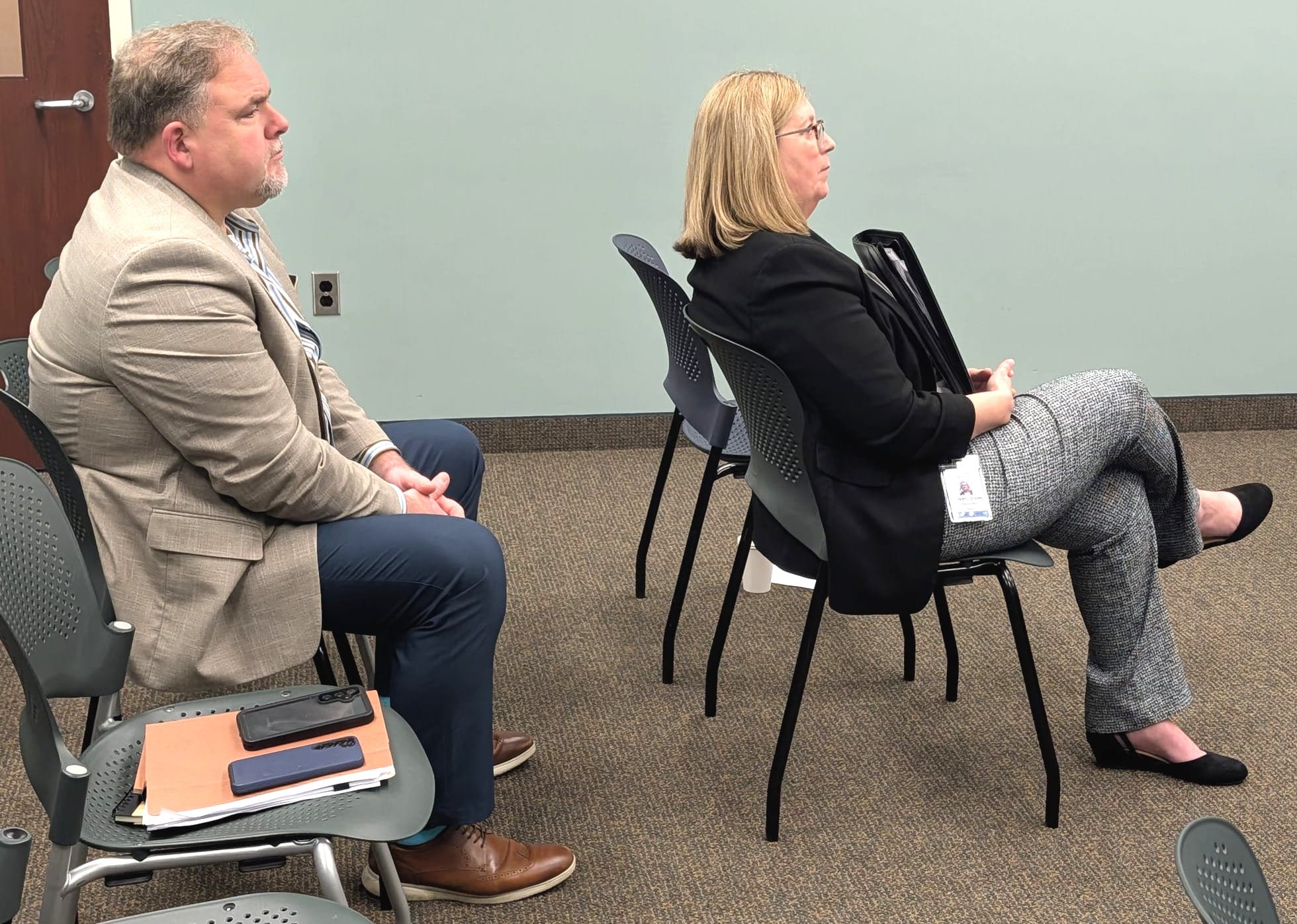
During the time for questions, Janson asked how Clark found the time to "moonlight" for the county's insurance authority, given her lengthy list of responsibilities.
"There's a long list of responsibilities here, but you still had time to do some moonlighting, it sounds like, over the last year. What were your additional responsibilities at the insurance authority?"
"Oh, I was not moonlighting," Clark replied. "I was given an agreement and I signed the agreement to report to the insurance authority work group and to the board on the various lawsuits that are going on with the tax delinquent/tax collection process — one of them being the lawsuit with the Supreme Court that we are waiting on their assessment."
"Would that not naturally be part of your role on that?" Janson asked.
"No. Normally, you would have the attorney report on the cases," she said.
Bush faced more Janson pushback for referencing the actions of 2024.
"I believe the three of you ... met back in 2024 and talked about my pay back then to be compensated the same as the treasurer ... I mean to be with the register of deeds/clerk," Bush said during his presentation.
"Joe, which three are you talking about?" Janson asked.
"Angela, you and Mark," Bush said of Loreth, Janson and Brouwer.
Despite documented evidence that the vote took place on May 2, 2024 — but the meeting wasn't legal — Janson claimed to have no recollection of the decision.
"So, Mark, do you recall having any kind of vote like that?" Janson challenged.
"We did have a vote. Larry was there, too," Brouwer said.
"There was 6-0 on May 2. That was in the Kallman Group legal opinion. So it did happen," Bush said.
"We had a talk, but my recollection is ... " Brouwer said.
"No vote ever happened," Janson said.
"We voted on a lot of stuff that day, but we did talk about his salary that day. I remember that," Brouwer said.
"My recollection was we had some talk about equalizing all five countywide positions, but that no action was taken," Janson said.
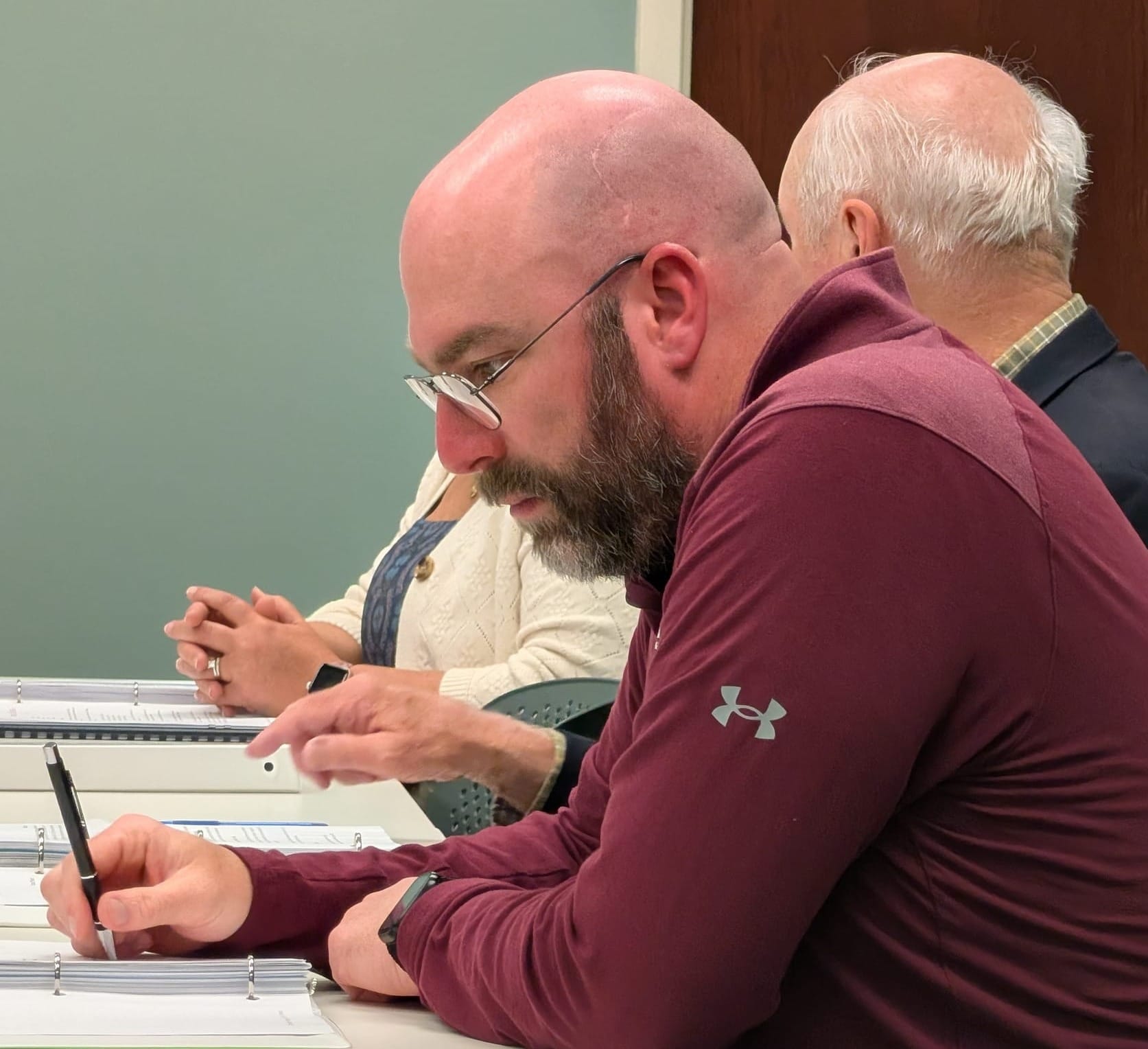
Bush said he wasn't at the meeting to "go backwards" or "create an argument," but that he specifically remembered it because he attended the meeting.
Bush said he's attended every compensation commission meeting every two years for the past several cycles.
He said he had to remind former administrator John Gibbs to hold the 2024 meetings.
"John Gibbs didn't even know this compensation [commission] existed," Bush said. "And I went and reminded him at that time that you might want to get a meeting put together, because the timeline ... it's usually in March."
Frantz asked how the additional money from the insurance authority brought up Bush's pay.
"It's about a thousand less, but we're close. And that's just a one-time thing. In 2025, nothing like that happened. I never went back," Bush said. "And part of the [2026] agreement was to erase 2025 like it never happened. So, whatever that compensation would have been, I did not receive it, which is fine."
"So that didn't happen. That insurance money didn't happen until 2026," Loreth said.
"That's correct," Bush said.
Brouwer asked what Bush's role was with the additional insurance authority work.
Bush said the work was to investigate and report back to the authority on the future extensions, if any, of the M-231 highway — a long-term project now in doubt. The county has a particularly vested interest because it purchased property in anticipation of the project.
"The task was to figure out and work with MDOT to see what phase two and three look like," Bush said.
He said the tricky part is getting a firm answer from the state and giving a recommendation to the authority on whether it was wiser to sell the property or keep it.
"I'm still working on it; it's not finished yet," Bush said.
He said he consistently meets with the Michigan Department of Transportation, the MACC and the road commission.
"Maybe it's not phase two and three for 231, but are there other opportunities to use that particular property that the county owns? What's the value of it for transportation moving forward, because Ottawa County is still growing and there is a transportation need," he said.
Brugger took to social media on May 10, further explaining his previous statements:
"After 17 months helping lead Ottawa County out of what I once described to a journalist as “a large pile of sh!t” left by the prior administration — six lawsuits (including one that could have ended in a multi-million-dollar jury verdict), a half-million-dollar contract a judge later found unlawful, replacing an inexperienced legal team (obviously needed), ending the revolving door of county administrators (four people, five iterations), and finally getting Ottawa County out of the national spotlight for governmental dysfunction — the new board leadership finally stepped in it ourselves.
How deep depends on who you ask.
The short version-
Two elected officials were supposed to receive salary increases beginning January 1, 2025. Due to yet another screw-up by the prior board leadership teams appointees and staff in 2024, they never received them.
To resolve the issue, the two officials agreed to take on additional work for the county — specifically for the county’s Insurance Authority — and be compensated for that work. Combined, they received less than half of what they would have been paid had the 2024 error never occurred.
In plain words: two people agreed to work extra hours and get paid for the extra work.
That’s it."
Brugger said the blowback over the Bush-Clark insurance authority contracts was blown out of proportion and politically weaponized by both progressives and the OI supporters.
"Their supporters predictably followed suit, sharing outrage in persona on social media over whichever version of procedural injustice best fit their team jersey," Brugger said.
"And just like that, someone tossed a lit match into a gas can," he said. "Nothing sends people into a rabid fury faster than hearing the words 'internal solution' in government.
"So off we went: accusations, outrage, frantic emails, social media theatrics, and press calls flying in every direction."
Brugger said, ultimately, the past two years regarding the compensation commission's work was finally put to rest and the county can now move forward — but the communication and transparency of the insurance authority's decision should have been better.
"So yes — even though the 23-month Compensation Saga was resolved legally, amicably, and at minimal cost to taxpayers, it should have been communicated earlier, more clearly, and with far more urgency," he said. "The failure to do so falls on the shoulders of the new leadership team. That team includes me."

What happens next?
Dissette said the goal at the end of the compensation commission's work is to prepare a resolution for Price to sign to forward to the county board of commissioners.
Questions that remain are if the county board of commissioners should be considered full- or part-time, whether benefits should be considered, how the county wage study would affect deputy department heads and what a cost-of-living increase would look like for all affected positions.
The compensation commission's next meeting is scheduled for 3 p.m. Monday, May 18, in Conference Room D in the Administration Building at the county Fillmore Complex, 12220 Fillmore St., West Olive.
The county board's next regularly scheduled meeting will be at 6:30 p.m. Tuesday, May 19.
— Sarah Leach is the executive editor of the Ottawa News Network. Contact her at sleach@ottawanewsnetwork.org. Follow her on Twitter @ONNLeach.


