

ODC Network works to conserve, further restore Lake Macatawa watershed through new devices
Conservation efforts for Lake Macatawa and the Macatawa Watershed have been underway for over a decade, and through those efforts, real change has been achieved.

HOLLAND — Conservation efforts for Lake Macatawa and the Macatawa Watershed have been underway for over a decade, and through those efforts, real change has been achieved.
The Ottawa Discovery Center Network, or ODC, is a registered 501c3 nonprofit that works to advance outdoor education and conservation in the West Michigan region.
Founded in 2000, the organization has preserved thousands of acres of native habitats, provided learning opportunities through early childhood education, and worked to enhance the connection to the natural world with more than 1.5 million people.
Since 2013, the ODC has worked to protect Lake Macatawa and the Macatawa Watershed through a shared community initiative, Project Clarity. For decades, Lake Macatawa has dealt with severe algae blooms due to built-up sediment and phosphorus runoff.
A watershed is “an area of land that drains water to a common outlet — a river, bay or lake,” according to the ODC Network's website. Any rain or snowfall that falls within the watershed will eventually make its way downhill toward the same body of water. In the Macatawa Watershed’s case: Lake Macatawa.
The Macatawa Watershed covers 175 square miles of the greater Holland and Zeeland area, including hundreds of miles of rivers, creeks and more. Each feeds into the Macatawa River, then to Lake Macatawa, before eventually reaching Lake Michigan.
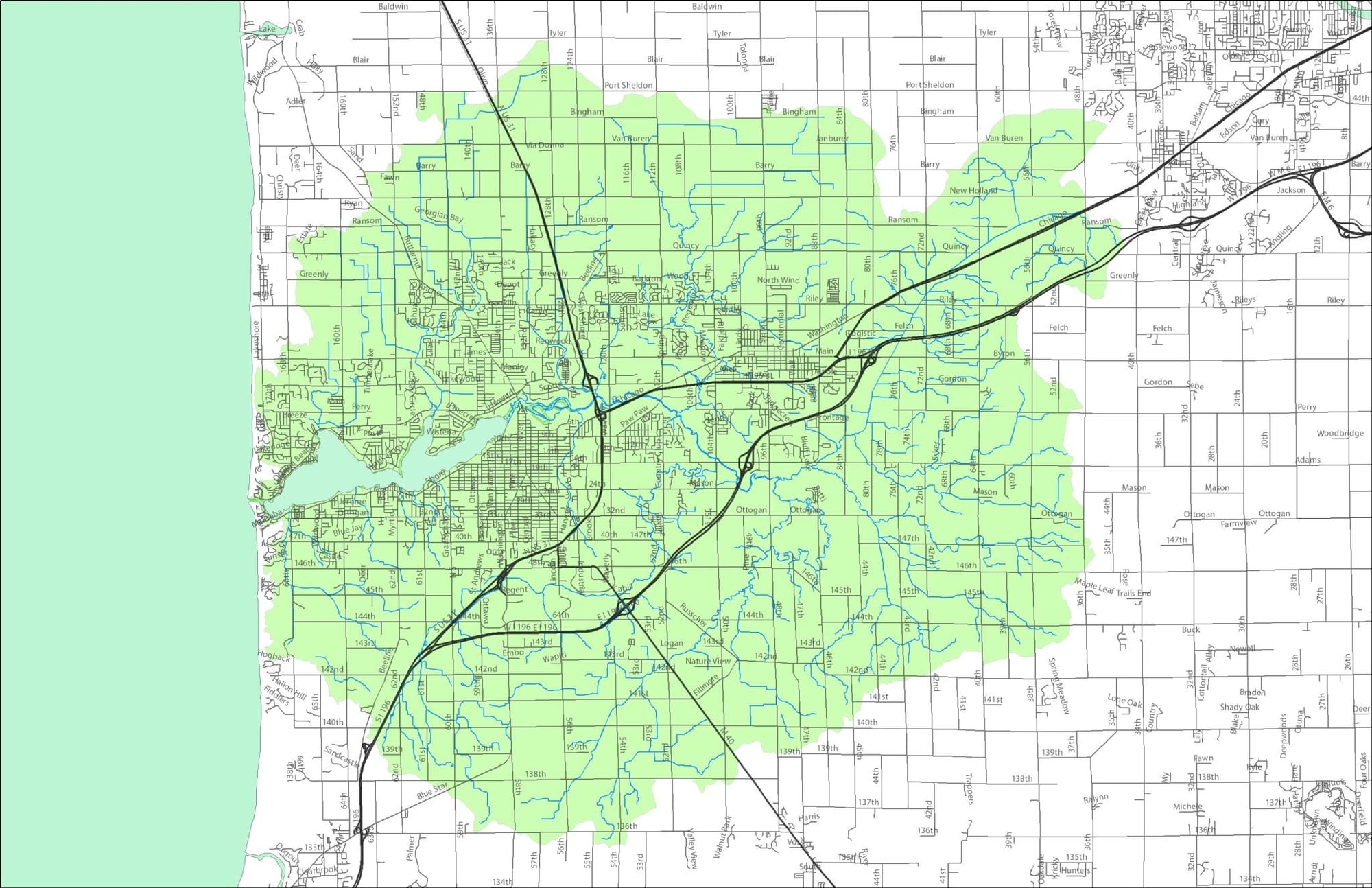
Through Project Clarity, the project has kept 46,000 tons of sediment out of Lake Macatawa and 40,000 pounds of phosphorus out of Lake Macatawa each year. While huge accomplishments, the restoration of the ecosystem is an ongoing initiative that requires understanding of the Lake and its condition.
“There are always ways that we can improve the water quality. There are always ways we can help this region make or meet state quality standards,” said Sarah Micheli, ODC Network’s director of marketing and development.
The first 13 years of Project Clarity focused on reducing pollution entering the lake; through the project, phosphorus levels fell by over 60% in the first 10 years through collaborations with individual, corporate and agricultural landowners.
On Sept. 3, the ODC Network announced Phase 3 of Project Clarity, which is set to begin early next year and will focus on addressing phosphorus that has settled at the bottom of the water, also known as legacy phosphorus.
Legacy phosphorus occurs when high levels of phosphorus enter the water over a long period of time; over time, it infiltrates the sediment. Even if new phosphorus stopped coming into Lake Macatawa, the legacy phosphorus would still be released into the water and damage the water quality.
The project also aims to expand watershed conservation, ensure long-term viability for the project and expand public outreach.
Through Project Clarity, the ODC Network deployed a NexSens Xb-200 water buoy as part of the Ottawa County Water Quality Monitoring Initiative. The buoy is situated toward the middle of the lake in a no-wake zone, with data available at depths of 3.3 feet and 14.8 feet to collect water quality data.
While the buoy doesn't monitor phosphorus directly, the two sondes collect nine parameters of data, including chlorophyll, conductivity, oxygen, phycocyanin, pH, oxidation-reduction potential, fluorescent dissolved organic matter and temperature.
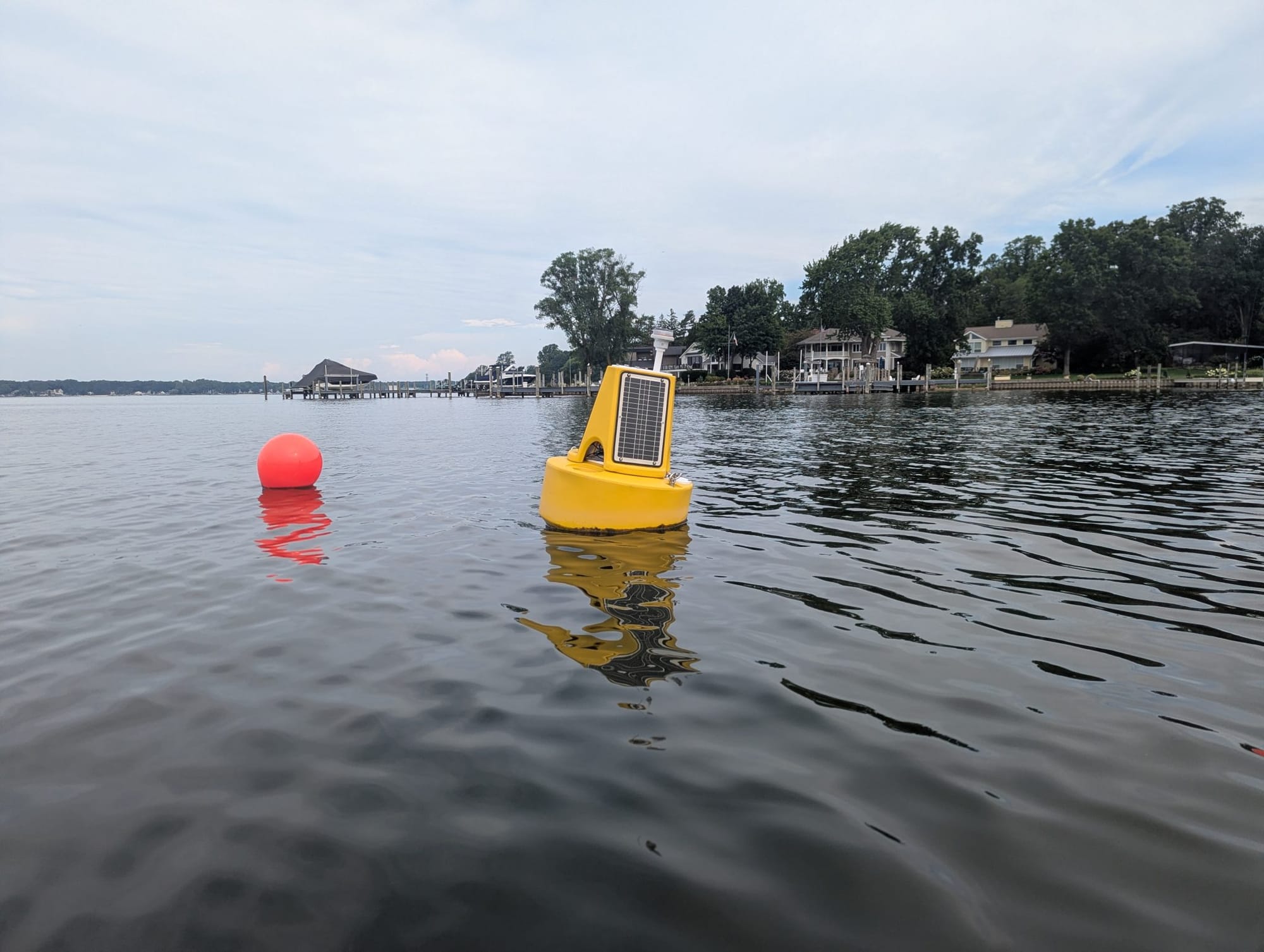
The buoy also measures turbidity, or how clear or cloudy the water is, which helps researchers recognize when potential sediment is entering the lake, as increased turbidity can indicate sediment arriving through runoff.
The data is available in real time to the public through the Seagull Coast app, which is available for download at glos.org/seagull. (Search “Macatawa” in the search bar to view the lake’s conditions.)
Over time, the data will help the ODC Network understand how Lake Macatawa reacts to changes in its environment, such as storms and seasonal changes. The information gathered will influence how the Network approaches projects and determine what projects have the greatest impact.
“Being able to measure the water quality gives us some insight over time into how well those best management practices and community partnerships are holding up. And then in addition to that it gives better insight longer term into what more we could be doing,” said Micheli.
Along with the buoy, ODC has partnerships with Hope College and its Global Water Research Institute as well as with Grand Valley State University and its Annis Water Resources Institute.
“They provide us with an annual report, and the report covers monitoring in both the lake and the stream,” said Cole Ockerse, ODC Network’s watershed technician. “They’re monitoring phosphorus, E. coli and other chloride levels.”
The watershed and lake influence many aspects of life in West Michigan, with the upstream waters being the “heart of local recreation,” according to ODC's website. A healthy watershed supports not only property values, recreation, and tourism but also prevents invasive species from taking hold.
How to help
The ODC recommends ways to help watershed health:
- Planting native species: This helps stabilize soil, filters pollutants, and is a stormwater and flood control solution.
- Install a rain garden: Rain gardens help collect rainwater from hard surfaces and naturally filter out pollutants before they reach watersheds and lakes.
- Volunteer your time: There are plenty of volunteer opportunities through the ODC that can help the watershed and lake thrive! Volunteer at the ODC through its website.
- Support ongoing watershed initiatives: Donations help fund the science and restoration efforts of watersheds and lakes, along with helping guarantee long-lasting funding.

Through community outreach and partnerships with farmers, municipalities, researchers and more, Project Clarity has conserved 290 acres of critical land, supporting farmers in implementing conservation practices. The work isn’t over, but the work in the last decade proves that sustained, deliberate work pays off.
For more information on the ODC Network, Project Clarity and monitoring efforts, visit the ODC Network website at outdoordiscovery.org.
— Mallory Burt is a reporter for Ottawa News Network. Contact her at newsroom@ottawanewsnetwork.org.


