

Ottawa County judge rules for solar developer in $330M land dispute with local family
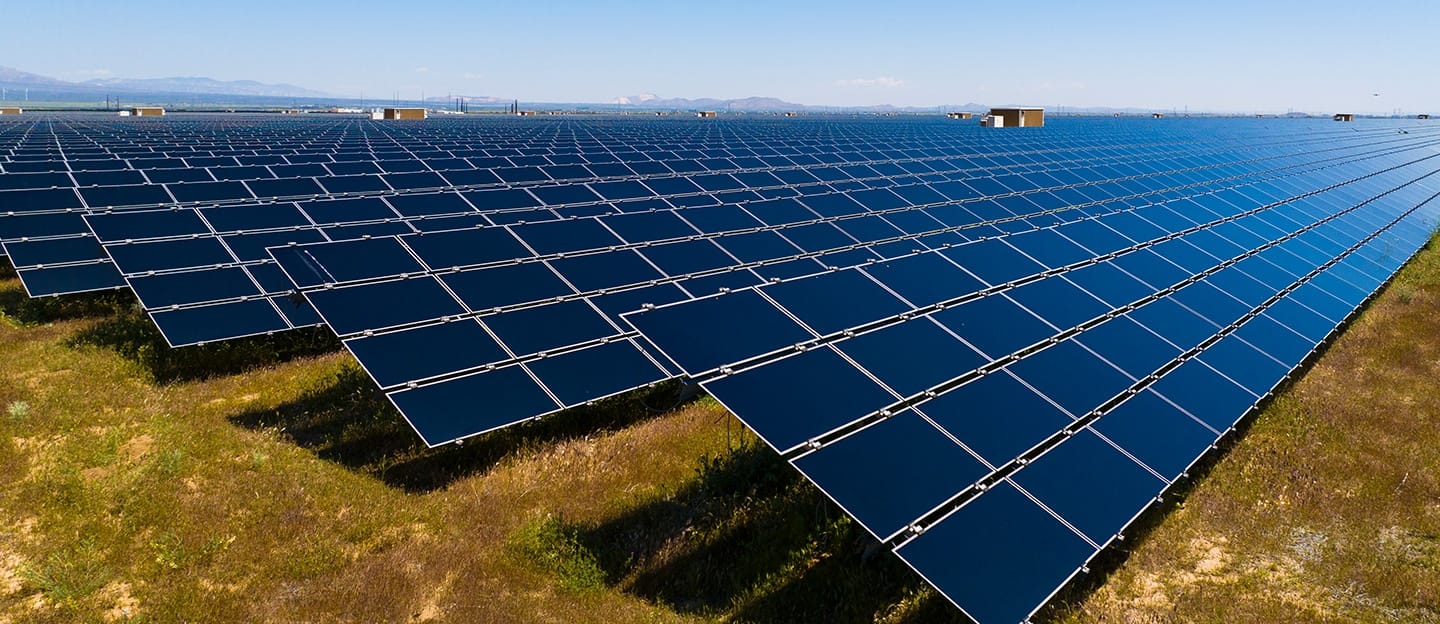
An Ottawa County judge has granted a clean energy developer legal control of 562 acres of farmland, barring a local family from working the soil to removing one hurdle for a 1,900-acre solar project spanning Zeeland and Jamestown townships.
OTTAWA COUNTY — An Ottawa County circuit court judge has granted a multinational clean energy developer legal control of 562 acres of farmland in the township, ordering the family off the property and barring them from working the soil as developers push forward with the utility-scale solar project that spans 1,900 acres between Zeeland and Jamestown townships.
Solar farms are sprawling across Michigan, with 76 utility-scale solar farms operating in Michigan as of October — nine of which were built in 2025, according to Cleanview.
The Oct. 14 decision by Ottawa County Circuit Judge Jon Hulsing gives German-based developer RWE Solar the immediate right to possess the acreage, which comprises nearly a third of the 1,900-acre footprint planned for its $330 million Silver Maple Solar Project that straddles the two townships.
Hulsing ruled that RWE properly exercised a five-year option agreement signed in 2020 by James Smallegan’s late father, rejecting defense arguments that the family was misled into signing a long-term lease.
Following an Oct. 8 bench trial, Hulsing ruled entirely in favor of RWE, delivering a decisive defeat to the Smallegan family and their trusts. The court order hands the solar energy company exclusive rights to use and possess the disputed property, while barring the Smallegan family and anyone acting on their behalf from setting foot on the land.
Under the terms of the ruling, the defendants must immediately revoke all access for third parties, bringing an abrupt end to any hunting, farming or recreational use of the acreage. RWE was granted immediate clearance to remove existing crops and fence off the perimeter to begin project preparation.
In a particularly striking restriction, Judge Hulsing prohibited the family and their agents from participating as parties or intervenors in any future legal, administrative or legislative proceedings opposing the solar development.
The court also ordered the Smallegan family to cover the solar company's legal fees, with a hearing scheduled within 120 days to determine the final financial penalty.
Disputed contract
The dispute dates back to November 2020, when James Smallegan, the family patriarch, signed a five-year option agreement with the developer.
When James Smallegan died in 2022 at age 79, he left his land to his wife, Patricia, and their son, James.
RWE filed suit earlier this year after family members refused to honor the lease options, claiming they never received formal delivery of the notices required to activate the long-term leases before a Nov. 19, 2025, deadline.
During a bench trial in Grand Haven, the Smallegans testified that they understood the original paperwork to cover only preliminary environmental and land studies, not an eventual 35-year lease of their working farm.
The judge, in his oral ruling, noted that Patricia Smallegan cashed more than $282,000 worth of checks from RWE after the lease-execution notices were delivered.
Hulsing rejected those claims, writing that the contractual text was unambiguous and that RWE had satisfied its notice obligations days ahead of the expiration date.
The five-year period (from November 2020 to November 2025) was an initial study and evaluation window — a "lease option" period during which RWE had the legal right to test the property and decide whether to activate a long-term contract.
Because Hulsing ruled that RWE properly exercised its option before the November 2025 deadline, the full long-term solar lease was officially triggered, which grants RWE exclusive possessory rights to construct and operate the Silver Maple Solar project on the Smallegan land for the entire 35-year project term.
In 2060, the developer and landowners will be faced with what to do with the property.
Typically, the options would be:
- Decommissioning the project: removing all above-ground equipment and below-ground infrastructure and restoring the land to its original agricultural condition so the landowners can resume farming or other land uses. Once decommissioning is complete, full, unencumbered physical possession and usage rights of the property revert back to the landowners or their estate heirs.
- Lease extension: If the project remains economically viable, RWE and the landowners may negotiate a lease extension. This often involves upgrading the facility with higher-efficiency panels and modern battery storage while utilizing existing grid interconnection infrastructure.
After Hulsing’s ruling, RWE said it would allow the family temporary access to their home and livestock care while attempting to reach a negotiated resolution, though the court order itself grants the company complete possessory authority over the property.
Attorneys for the Smallegan family said they are considering an appeal; they have until Oct.29 to do so.
Corporate promises meet pushback
RWE has pitched the Silver Maple Solar facility as a cornerstone of West Michigan's transition toward domestic energy independence.
According to project specifications published by the developer, the 200-megawatt solar and energy storage array across Zeeland and Jamestown townships is designed to generate enough electricity to power roughly 34,000 homes.
The company estimates the development will generate over $19 million in local property taxes over its operational lifetime, including more than $14.5 million allocated directly to area school districts.
RWE also said the water-free facility will conserve roughly 219 million gallons of water annually compared to fossil-fuel generation and yield $7.3 million in annual regional public health savings due to reduced air pollution.
Local residents and neighboring farmers, however, view the proposal as an industrial intrusion on fertile soil. Local media has widely reported that area landowners described feeling deceived by early land solicitations and expressed alarm over declining rural property values, loss of open space and the sheer scale of the 1,900-acre development.
The conflict reached Ottawa County leadership; the board is considering filing as an intervenor in the court case to preserve its legal rights.
Federal courts, state mandates
The land battle on the Smallegan farm runs parallel to a high-stakes constitutional challenge over who holds the final say in green energy infrastructure across Michigan.
In July, Zeeland Township filed suit in state court to halt the Silver Maple project, mounting a direct challenge to Public Act 233. Enacted by the Michigan Legislature in 2023, PA 233 shifted final approval authority for utility-scale solar, wind and energy storage developments away from municipal boards, placing siting decisions with the three-member Michigan Public Service Commission in Lansing.
Township officials contend the state statute violates Article 7, Section 29 of the Michigan Constitution, which preserves municipal rights regarding local utility consent and reasonable control over public rights-of-way
Attorneys representing RWE moved the township's lawsuit to the U.S. District Court for the Western District of Michigan in Grand Rapids. Federal court filings cited diversity jurisdiction, pointing to RWE’s corporate ownership in Germany and Delaware and arguing that the $330 million scope of the project easily exceeds the federal court threshold.
Zeeland Township has since filed motions requesting the federal court remand the matter back to state jurisdiction.
Despite winning possession of the 562 acres, RWE cannot begin construction without state approval.

The developer refiled its application with the Michigan Public Service Commission last month under docket U-22071, where the project remains under active review. State regulatory proceedings were temporarily paused earlier this summer following a state appellate court ruling that expanded the ability of local government units, including Ottawa County, to formally intervene in such cases.
The county must decide by Nov. 12 if it plans to file as an intervenor in the case, which would make it eligible to provide evidence before an administrative law judge. The board is expected to vote on the issue at its next full meeting at 9 a.m. on Tuesday, Oct. 27.
The administrative process in Lansing is expected to drag well into 2027, leaving the land, the township and the Smallegan farm hanging in legal limbo while the state's regulatory and judicial machinery grinds forward.
— Heather VanDyke covers northern Ottawa County for the Ottawa News Network. Contact her at hvandyke@ottawanewsnetwork.org.


