

‘Are you telling me how to vote?’ County officials clash as they move to intervene in solar lawsuit
Tensions flared again among Ottawa County commissioners Tuesday as high-stakes policy decisions, procedural maneuvers, and personal friction filled a packed agenda.

OTTAWA COUNTY — Tensions flared again among Ottawa County commissioners Tuesday as high-stakes policy decisions, procedural maneuvers, and personal friction filled a packed agenda.
At the center of the day’s heated deliberations was the county’s official role in a controversial proposed solar development in Zeeland Township, along with sharp disagreements over how the sheriff uses automated license plate readers, facility fees for county buildings and parliamentary tactics some commissioners argue are silencing debate.
Board votes to intervene in Silver Maple Solar lawsuit
In its most significant action of the day on Oct. 27, the board voted to formally intervene in the contested Michigan Public Service Commission proceedings surrounding the Silver Maple Solar Siting Project — a massive 1,400-acre renewable energy proposal by RWE Americas in Zeeland Township.
Read More: County commissioners poised to intervene in $330M solar dispute
The main debates focused on two key issues, one being that commissioners had not yet crafted their official legal position before voting 10-1 to intervene.
Commissioner Doug Zylstra, the board’s lone Democrat, opposed the resolution, pointing to the incongruity of the board taking formal legal action before defining what the county was actually fighting for.
"Without a concrete mechanism ensuring policy is developed by the board in conjunction with administration, I cannot support the motion," Zylstra cautioned his fellow commissioners. "We should have clarified our concerns before intervening."
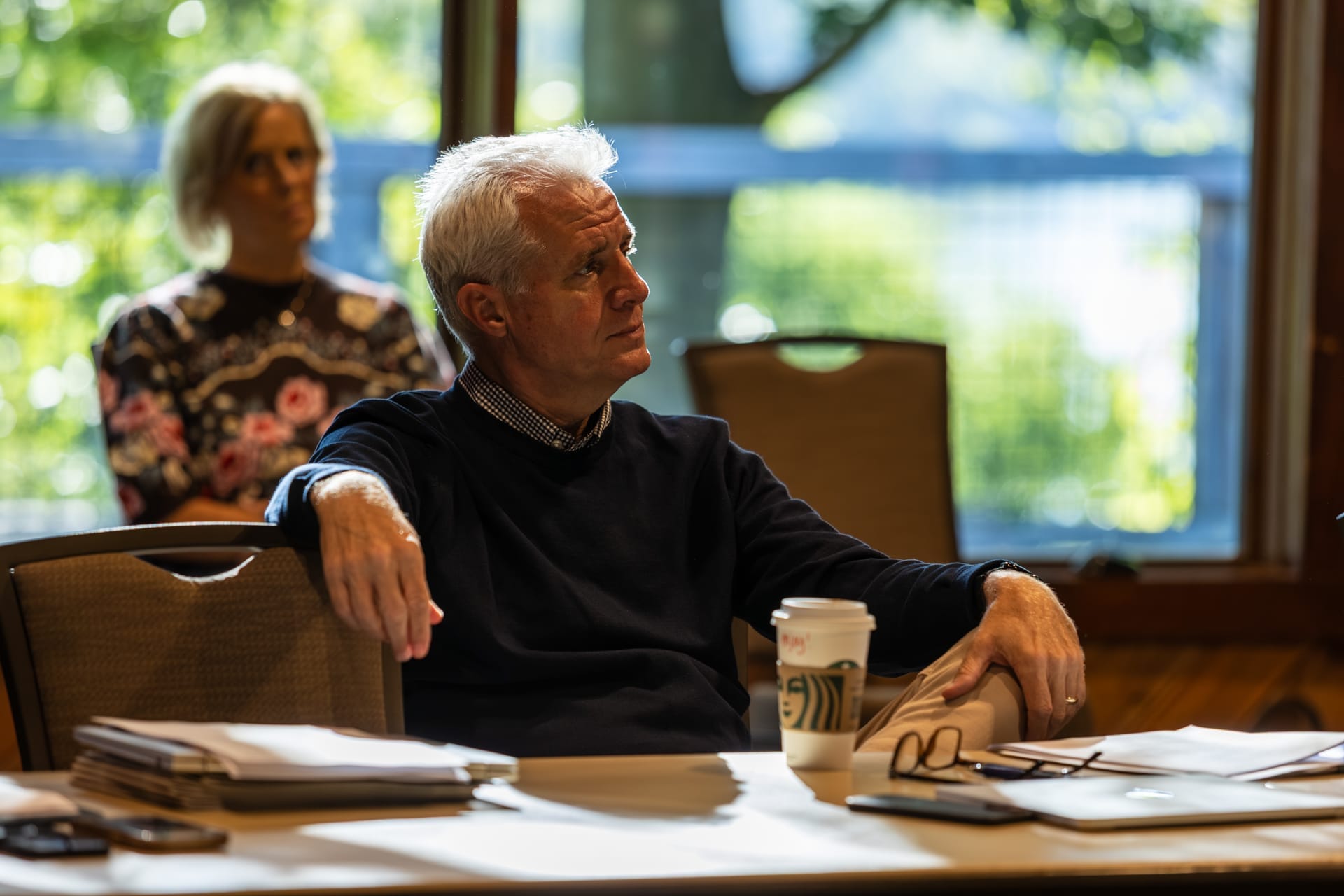
For Zylstra, the core issue was one of individual property rights — specifically the rights of local farmers and landowners seeking to lease their acreage — balanced against the board's duty to govern deliberately.
When colleagues urged him to vote with the majority to present a unified front to Lansing regulators, Zylstra pushed back directly against the dais pressure.
"Are you telling me how to vote?" Zylstra asked during the exchange. When met with surprise from fellow board members over his dissent, he remained steadfast: "Why are you surprised? ... I think I've made my position clear."
Zylstra argued that entering such a high-stakes legal forum without an agreed-upon substantive policy position put the county on shaky ground, as the quality of the administrative record built during the initial proceedings will bind every party involved.
After the meeting, Zylstra posted to social media that the entire thinking process of the board was fundamentally flawed.
“I voted no on the motion because I don't believe it's the county's role to insert itself into what I see as fundamentally a matter of private landowners deciding how to use their property, subject to the requirements of Public Act 233, without a clear and compelling reason to do so,” he posted to X on Oct. 27.
“I also voted no on a separate motion authorizing administration to develop the county's position in the proceedings. I have deep concerns about delegating that responsibility on behalf of the board,” he said. “Frankly, we should know why we're intervening before we actually intervene. Deciding to intervene before we even have a position, and then having the administrator develop that position for us, seems to turn the entire process upside down.”
At today's Ottawa County Board of Commissioners meeting, the Board voted to authorize the County Administrator to file a petition to intervene in the Michigan Public Service Commission's review of the proposed Silver Maple Solar project in Zeeland and Jamestown Townships.
— Commissioner Zylstra (@OCCommZylstra) October 27, 2026
I voted… pic.twitter.com/yH6HKy4uoQ
Zylstra found common ground with Commissioner Sylvia Rhodea on his secondary point of controlling the legal position.
Rhodea, a member of the far-right Ottawa Impact faction, introduced an amendment ensuring that while Administrator Patrick Waterman manages the intervention, ultimate policy authority stays with the elected board.
"The Board of Commissioners is the county's elected policy-making body. Administration and legal counsel should carry out the board's direction, not independently establish the county's position," Rhodea emphasized while presenting an amendment to dictate that commissioners sign off on any hard decisions throughout the process.
"It is important that any potential host community agreement or settlement remain under the board's authority, and that the county not surrender its ability to oppose the project, withdraw from proceedings, or waive legal rights without an explicit decision by this board," she said.
She said her amendment "preserves board authority: the administrator coordinates intervention and retains counsel, but elected commissioners direct policy positions. It allows legal work to proceed ... [and] protects local interests."
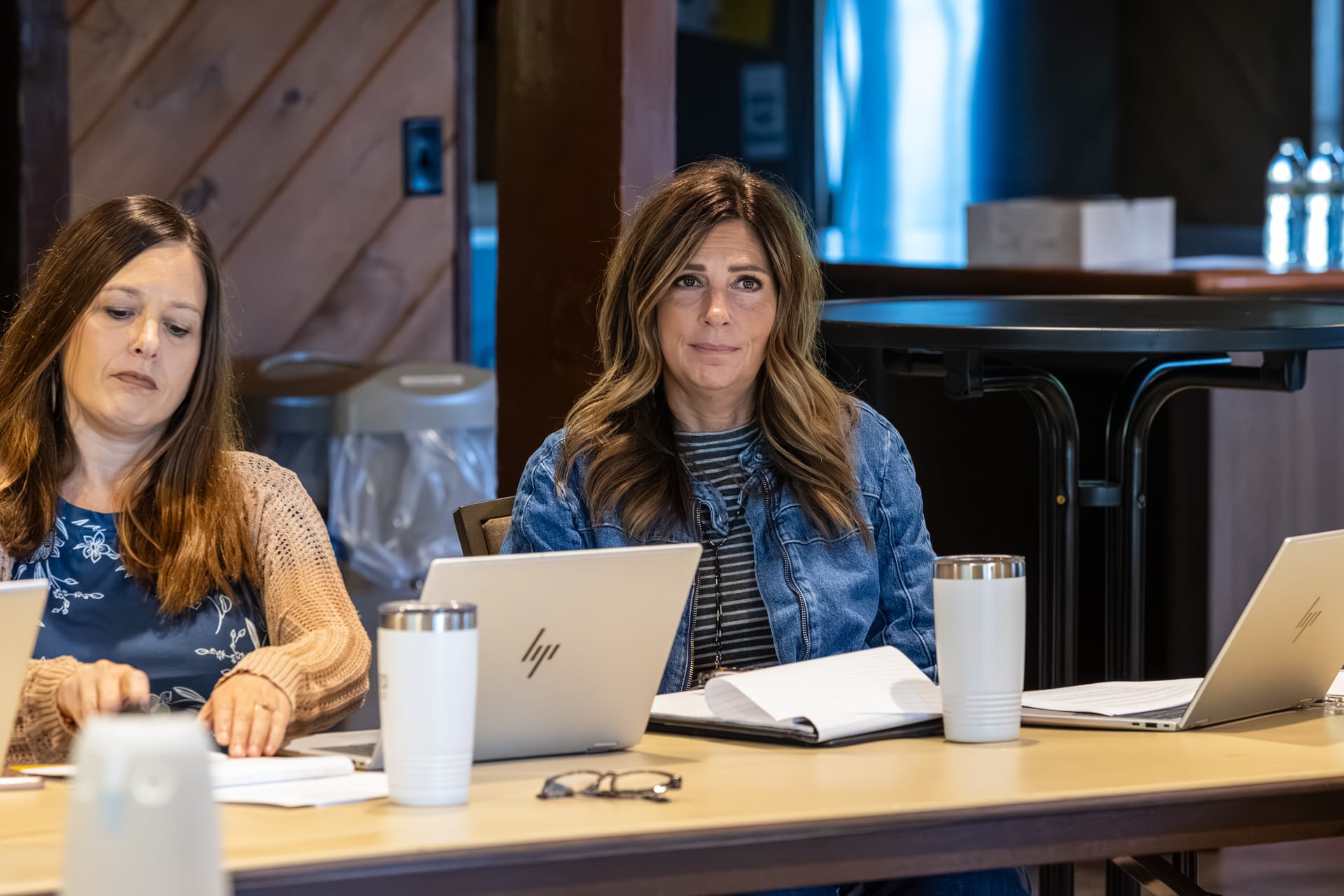
The board also grappled with potential conflicts of interest, as corporate legal counsel Ron Bultje’s firm represents parties involved with RWE. Legal counsel Doug Van Essen reassured commissioners that an internal "ethical wall" had been established to isolate Bultje completely from county deliberations on the solar project.
"Ron will not be involved. We build an ethical wall internally," Van Essen explained. "I do not have access to RWE files, and my partners do not have access to county files pertaining to this matter. From our end, no information generated or presented to the board has been shared with Ron."
Other board members countered that time was of the essence given strict state regulatory timelines. "
For public awareness, the fast-approaching deadline requires us to intervene now or lose our seat at the table permanently," warned Commissioner Jim Barry.
Addressing concerns over funding, Commissioner John Teeples noted that the legal proceedings could quickly outpace the $50,000 provided by the developer.
"We should expect to spend more than $50,000 and just be prepared," Teeples warned. "If we have witnesses, you know, through depositions, it adds up quickly and then you get the lawyers writing papers and briefs. It could cost more."
Despite varying views on renewable energy, several commissioners stressed that intervention is about protecting local governance and examining compliance with state law under Public Act 233.
"I want RWE to abide by state law," Zylstra noted during closing remarks. "I personally don't think we need to intervene to make sure that happens, but I think hopefully as part of our intervention is that we're saying: What is state law, and is this project abiding by state law?"
Zeeland Township Supervisor Kerri Bosma supported the board’s intervention, stating in public comment: "Intervenor status with the Silver Maple project does not mean you have to enter this case with an aggressive position, nor does it require you to have every answer today. It means you have a seat at the table. It gives the county an opportunity to be informed, to be heard, and help protect the interest of the residents."
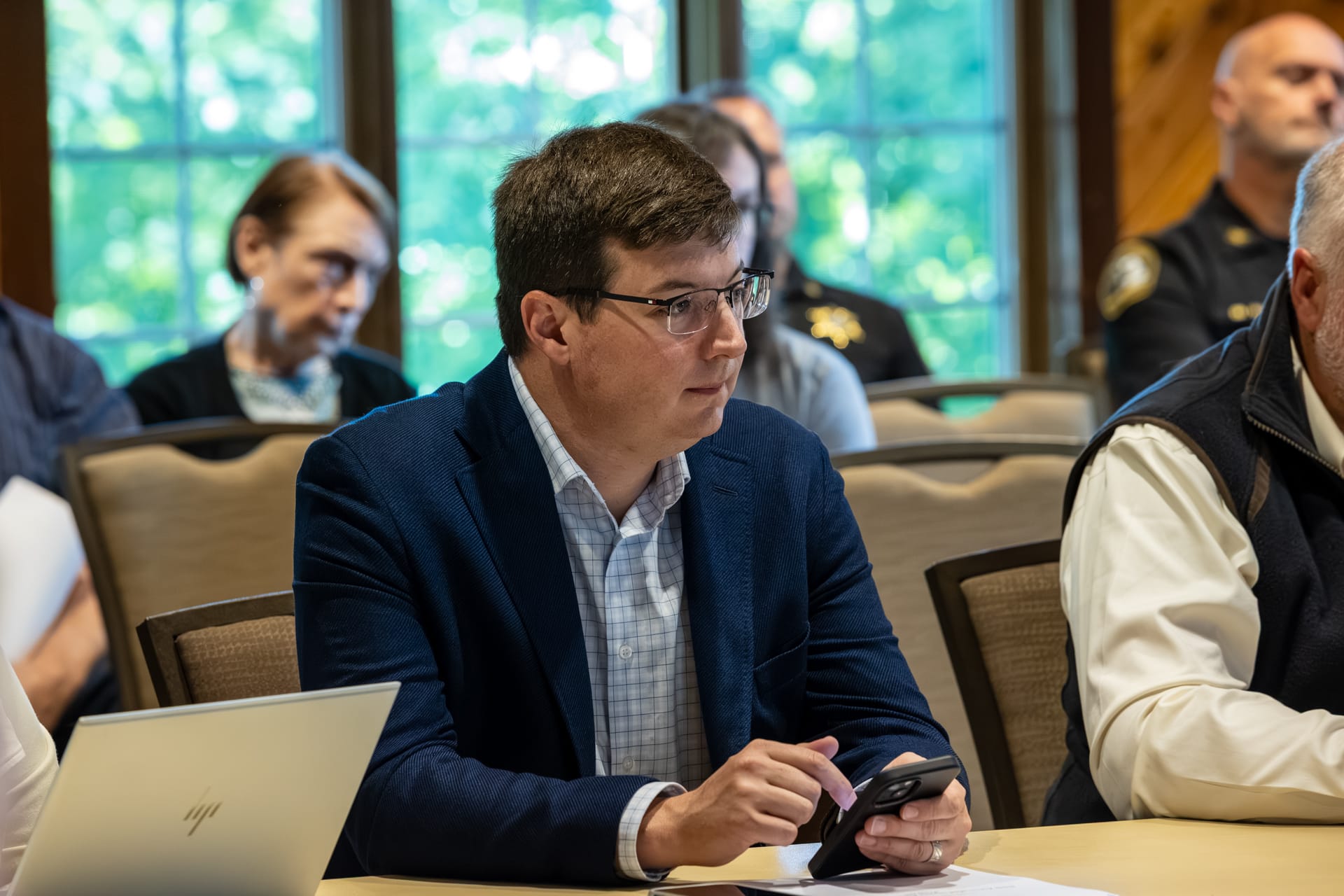
Deadlock over Flock cameras
Debate turned contentious during the approval of the meeting agenda when Commissioner Joe Moss, Ottawa Impact founder and president, moved to add a formal discussion item regarding automated license plate readers and the county's contract with Flock Safety.
"I’d just like to get your feeling on adding an item to discuss ALPRs today," Moss proposed to the board at the top of the meeting. "I'd like to make a motion [to] just add a short discussion. I think we're going to have a really good discussion today. So, the more the better."
Supported by Rhodea, the motion sparked an immediate procedural standoff. Board Chair Josh Brugger promptly rejected adding the topic to the day's docket, responding: "No, sir. ... No, not at this time."
Read More: Surveillance vs. rights: Inside Ottawa County’s debate over Flock Safety camera use
On a roll-call vote, the board rejected Moss's motion, effectively blocking any formal agenda discussion on the surveillance cameras for the meeting.
Later in the meeting, Commissioner Allison Miedema, also a member of OI, pulled a $13,000 accounts payable line item for Flock Group Inc. in an effort to separate the payment and force a policy discussion before funds were disbursed. However, her motion to divide the invoice failed on another roll-call vote.
"While the contract has automatically renewed, I believe it is important for us as a board to determine our policy direction rather than allow an automatic renewal to make that decision for us," Miedema argued. "I think we owe it to our citizens to have an opportunity to work together toward a policy that thoughtfully considers and respects public safety, individual privacy and accountability to our residents. At the moment, with this on our agenda item today, I think we have the cart before the horse."
Support for revisiting the surveillance camera contract crossed political lines, with several commissioners voicing discomfort over mass data collection.
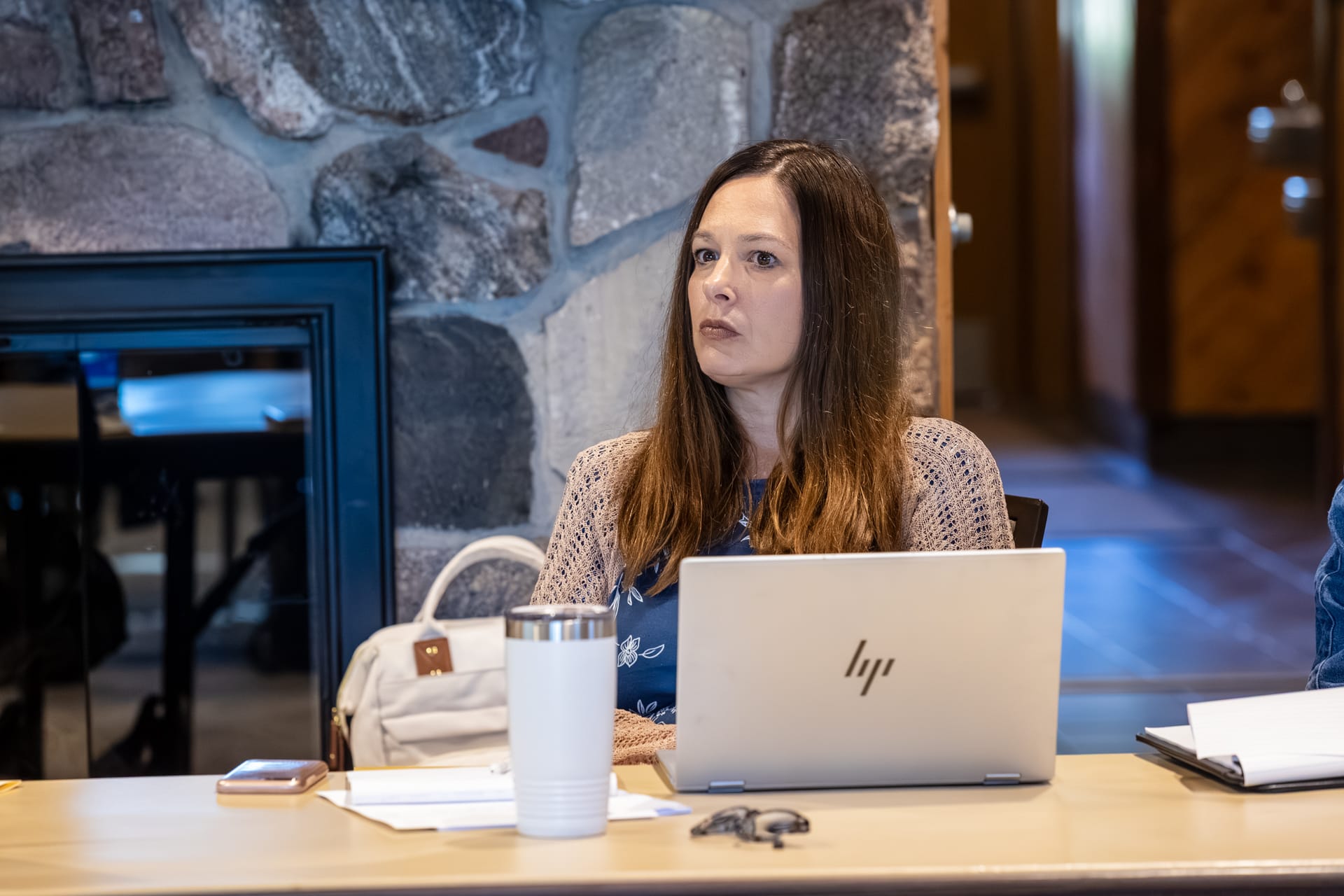
"I don't think the government should be in the business of mass surveillance. It just shouldn't," said Moss, who signed the county’s first contract with Flock Safety when he was board chair in 2024. "It's proved time and time again that causes problems. ... If the county has a policy, which it should, the policy should not wait until the feds do something ... wait until the state does something."
Board leadership, however, maintained that an administrative claims motion was not the appropriate venue for a broad policy debate.
Brugger defended the transparency of Sheriff Eric DeBoer and noted that the contract had already been executed under standard county procedures.
"That vote was about approving a $13,000 expense for a contract that had already been signed," Brugger said. "It was a payment that had followed every county process, every county procedure. ... And that wasn't the time to discuss a policy issue. If we want to discuss a policy issue on a position for the county regarding Flock, the proper way to do that is through [the county’s] Planning and Policy [Committee]."
He added, praisingly, "If the sheriff were to have been any more transparent with Flock, he'd have to be standing there in his boxer shorts."
Sharp disagreements surface over facility rental rates
The board also saw friction during discussions regarding proposed changes to county facility rental rates. The debate highlighted internal divisions over county fee structures and operational cost recovery.
Under the newly approved guidelines, public facilities — ranging from historic park lodges and woodland cabins to county meeting rooms — will see rate hikes designed to align rental prices with market adjustments and ongoing maintenance demands. For several larger event spaces, the price increases are substantial, with some operational fees climbing up to six times higher than previous rates.
The rate increases, however, were steep.
The rate for the Maple (main) room in the Fillmore complex, for example, was set to go from $25 for a half-day and $50 for a full day to $150 for a half-day and $300 for a full day — a 500% increase for each.
Proponents of the fee structure argued that public amenities should not run at a continuous loss for taxpayers. Waterman emphasized that maintaining high-volume park venues requires sustainable revenue, framing the updated rates as a responsible measure to offset rising utility, staffing and facility management overhead.
Commissioner Jacob Bonnema said he understood the rationale behind the increases, but urged administration to review the rate structure more regularly to avoid steep, sudden increases.
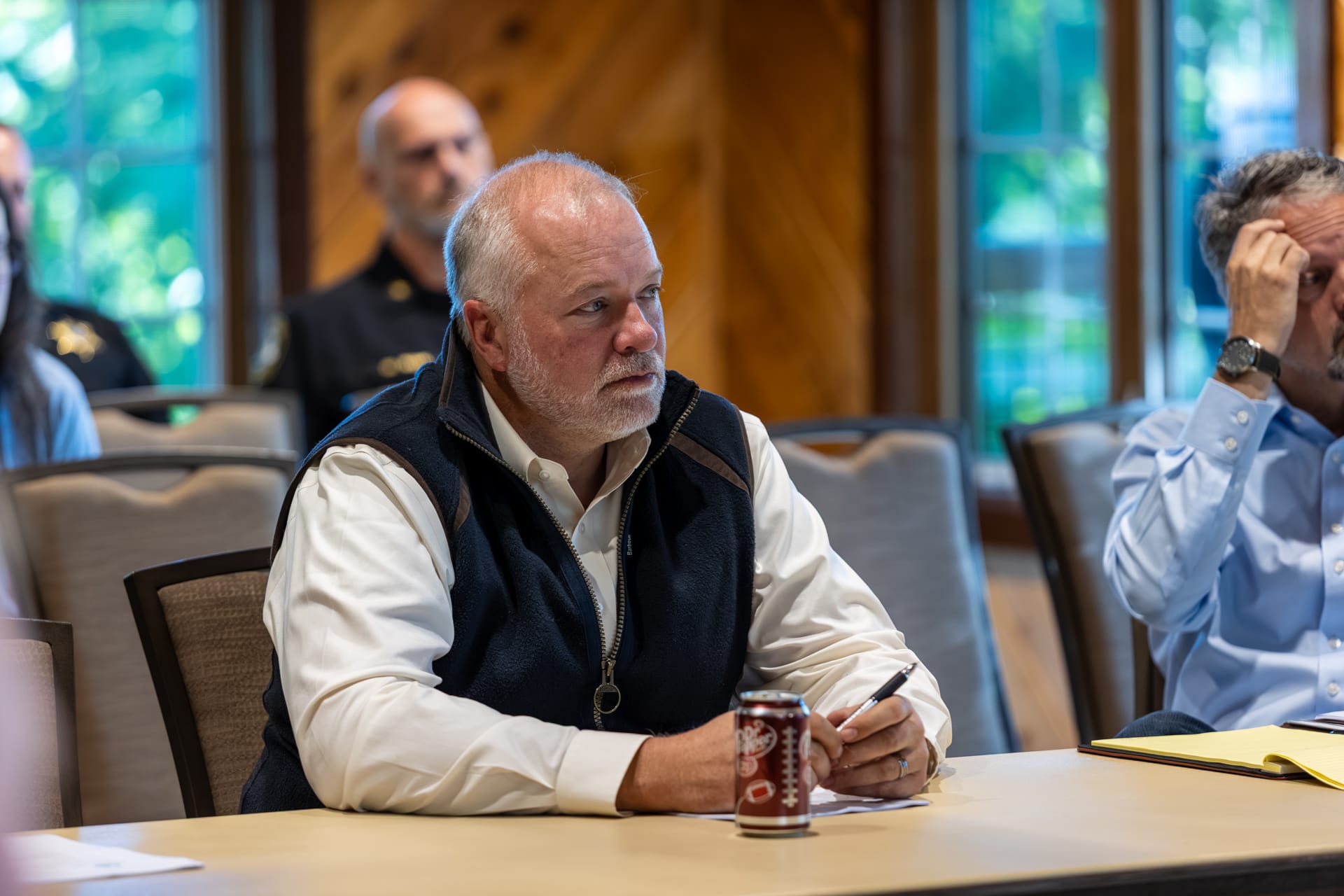
“I'm not making a motion, but suggest that we review this a little bit more often than never. That would be good going forward,” he said.
However, the increases drew stiff pushback from board members like Miedema, who warned that steep rate hikes would price out local families, nonprofits and community groups that rely on accessible public infrastructure.
Zylstra also had reservations regarding the impact of the price hikes on the local community, questioning whether public spaces are being turned away from their original civic purpose.
"When we raise fees on public spaces to this degree, we risk pricing out the very community members who pay taxes to support these facilities," Zylstra cautioned. "Public parks and meeting rooms should remain accessible civic resources for all residents, not profit centers that put local events out of reach."
He made a motion to halve what the administration was proposing to make the increases more palatable.
He also raised concerns over how quickly the board moved to adjust rates without fully exploring alternative cost-sharing models or phased implementation.
"Our goal should be stewardship, not exclusion," Zylstra noted. "We need a policy framework that balances fiscal reality while ensuring our local families and community groups aren't left standing outside the door."
Update on elections
At the conclusion of the meeting, County Clerk Justin Roebuck provided updates regarding early voting and election operations:
- Early voting turnout: In the first few days of early voting, 8,123 residents participated across Ottawa County. Roebuck noted this was lower than the roughly 13,000 who voted during the same period in 2024, reflecting typical midterm election turnout trends.
- Absentee voting numbers: Absentee participation remained strong and on par with prior election cycles. Out of 67,877 absentee ballots issued, more than 60% (approximately 50,000 ballots) had already been returned. Total turnout was expected to rise significantly leading up to Election Day.
- Support for local clerks: The clerk’s office deployed "election field assistants" to assist local municipal clerks, deliver extra supplies, monitor voting equipment and handle procedural questions.
- Operational improvements: Roebuck commended local clerks for managing early voting smoothly, noting that precinct operations were running with fewer issues compared to earlier primary cycles in August.
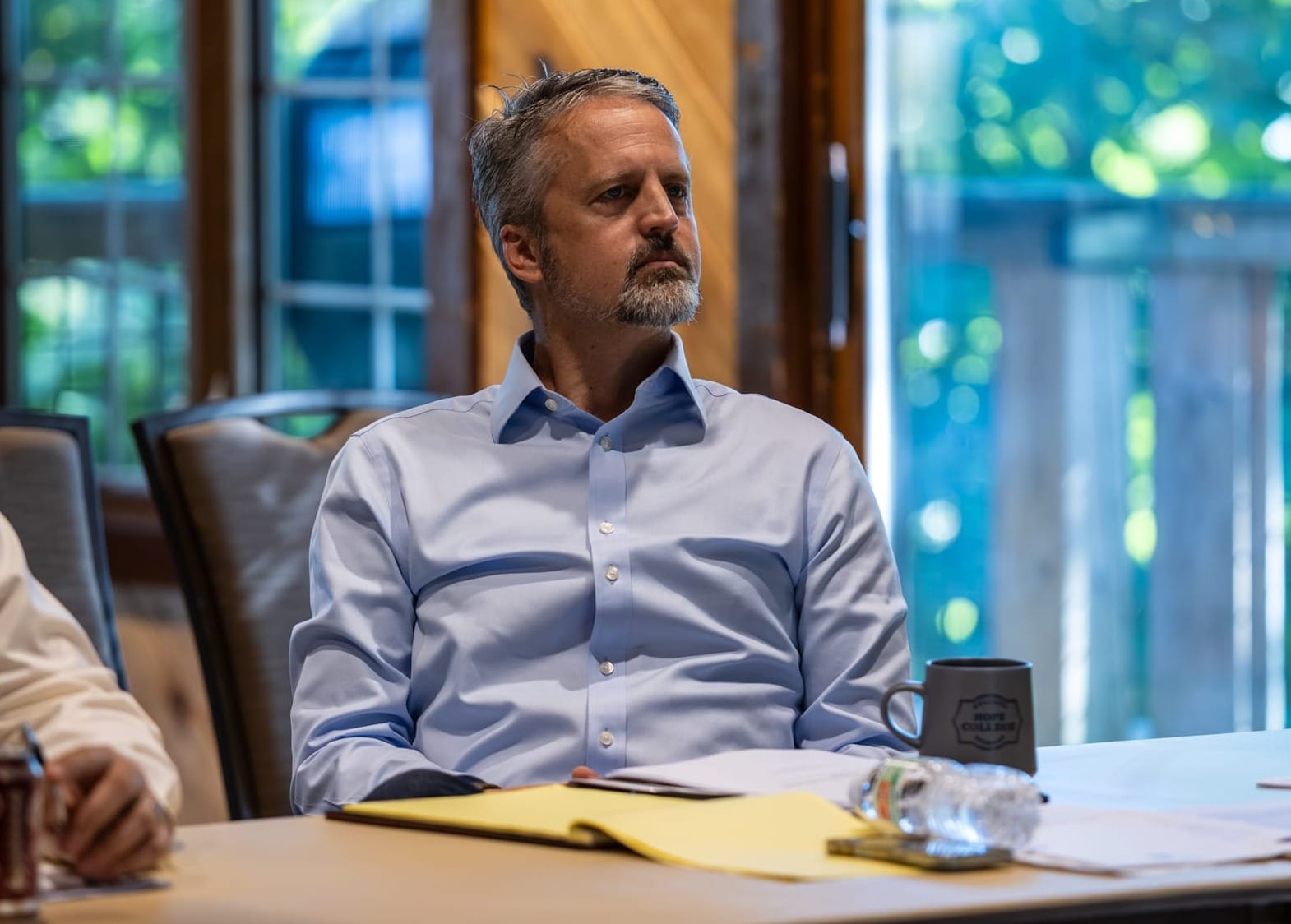
Brugger said he didn’t support changing what administration recommended, saying the board, at times, operates with a "ready, fire, aim" approach rather than working through all the details beforehand.
“Government shouldn't be competing with the free market, and we certainly shouldn't be competing with the free market such that we're losing money. We're responsible for the people's money. So if we're going to lose money and compete with the free market, I'm absolutely mind-boggled by that.”
He then asked Waterman to list the entities that rent space with the county the most frequently, and the administrator listed the groups, noting that the county GOP was near the top of the list.
“We've got some nonprofits, and you've got a political party, the Republican Party in there. And I can't imagine that a number of Democratic citizens in Ottawa County would like to subsidize the Republican Party's rental of the Ottawa County building. So again, ready, fire, aim,” Brugger said.
Despite those objections, Zylstra’s motion to halve the rate increases as presented to administration ultimately passed 6-5. The updated fee schedules are set to apply to all incoming facility and park lodge reservations across Ottawa County.
Brugger expressed initial surprise when the vote didn’t pan out as anticipated, prompting a moment of procedural confusion on the dais. Reflecting on the vote later in the meeting, Miedema noted the visible tension surrounding the outcome.
"When it came down to the vote, and it was 6-5, Chair Brugger, I was disappointed in your response," Miedema remarked during commissioner comments. "You were disappointed in hearing that you were in the minority in that vote, and you made quite a pronouncement about that to the point where Clerk [Justin] Roebuck had to tell you that, yes, it had passed."
"From my perspective," she said, "that meant there are things that are happening behind the scenes with a majority. ... It came across at least when you spoke that you couldn't believe that maybe someone outside of the majority voted differently."
Brugger clarified that his reaction was purely procedural rather than political.
"When it came to the policy on changing rates for rentals, you guys disagreed with me on that one and I appreciate that. I was called out, and the vote failed," Brugger explained. "To Allison's question there on my reaction, I actually was trying to count as we were going and I thought there was a miscount — it had nothing to do with the outcome of the vote, which is why once that moved forward to the next level, I voted in favor of it."
Referring back to that vote during the solar debate, Brugger noted: "I disagreed with our pricing for rentals, but I still voted for the overall motion once we got to that because the decision had already been made by the majority of the board."
Procedural clashes: The use of "call the question"
One controversial moment came when Brugger invoked “call the question” during the discussion over Flock Safety’s contract payment under post-ratification items (already approved to be paid).
The parliamentary tactic is a motion used to end floor debate and force an immediate vote.
Multiple residents during public comment and several commissioners criticized Brugger’s use of the mechanism, alleging it suppresses minority viewpoints.
During public comment, resident Becky Patrick called out the practice directly: "When this board calls the question on somebody, that is, in my view, an egregious act when they're only asking for discussion. This board should not fear discussion.”
On the political pressure put on Zylstra to vote with the majority on the solar intervention issue, Patrick noted the irony of the changing political times.
"He is the person who will often vote no on questions ... and now all of a sudden, it's not OK," she said. "And you think he should just fall in line and vote with the majority. That is not what he was elected to do."
Miedema echoed those concerns regarding the silenced debate on surveillance technology.
"When the call to question happened, the call to question happened after the full board was not given an opportunity to speak," she said. "We have been effectively silenced by the board chair. ... Our community does deserve a right to hear from each one of us, not just from a couple of us."
Miedema was on the board during 2023-24 when Moss served as board chair and exercised similar methods frequently at board meetings.
Defending the practice, Commissioner Jacob Bonnema argued that calling the question is a necessary tool to keep county business moving efficiently after topics have been exhaustively vetted in committees and work sessions.
"To some people, that can be seen as heavy-handed," Bonnema acknowledged. "To others, these topics get debated at length in subcommittee, in other venues and work sessions. We get to a point where we feel like it's been asked and answered, that it's been done and dusted, that to continue to have the exact same communication over again isn't beneficial to the time of Ottawa County," he said.
“So, there's a decision that we have to make as commissioners of what's the highest and best use of our time here as a committee."
Internal tension, the search for board consensus
Underlying the day's policy debates was palpable personal and political tension among board members, particularly directed toward dissenting members like Zylstra.
Addressing public perception that the majority of the board was improperly pressuring Zylstra to create unanimous votes, several commissioners insisted that vigorous debate should not be mistaken for personal animosity.
"Disagreement on policy or a policy issue is not a personal attack. It's a policy discussion," Moss said. "And so that's why I do enjoy the discussion with Commissioner Zylstra when we do land on opposite sides of this a little bit ... or a lot bit."
"Disagreement on policy or a policy issue is not a personal attack. It's a policy discussion. And so that's why I do enjoy the discussion with Commissioner Zylstra when we do land on opposite sides of this a little bit ... or a lot bit." ~ Commissioner Joe Moss
Brugger also commented on the dynamic, remarking: "Having a conversation with Commissioner Zylstra, debating an issue, pointing out challenges in there, that's what we do. Commissioners, you guys do that with me as well."
Bonnema similarly urged the public to view sharp exchanges as a drive toward consensus rather than political hostility.
"Seeking consensus is not a bad thing because, when you get probed, it's because it's out of interest," Bonnema said, pointing to the personal relationships maintained behind the scenes.
"Gosh, Jordan Jorritsma is sitting in between two commissioners that have voted to censure him, and yet we still shake hands and go to dinner together, right?" he said, alluding to Moss and Miedema’s current influence on the county GOP. "I mean, it comes with the territory. Commissioner Zylstra and I have been in the trenches together. We care about each other ... we do life together. So, I hope that gives you a little bit more perspective on how we work together."
Despite those assurances, dissenting commissioners maintained that healthy governing requires open debate rather than forced uniformity.
Rhodea pushed back during commissioner comments, warning against a lack of deep discussion.
"We have an obligation to use wisdom and discernment in county leadership. ... It's not above the pay grade of a county commissioner to discuss and discern complex issues. It is our job to protect the constitutional rights of the people, even if those issues are complex."
What happens next
Following the meeting, Brugger said he wasn’t opposed to continuing the discussion on Flock cameras and the county’s contract with the company.
He underscored, however, that the topic has been debated in committee as well as in a special session workshop in September.
“I am open to a substantive discussion on Flock cameras if there is a clear goal or objective to it — a discussion that recognizes our purview and limits to weigh in on what is a constitutional rights issue,” said the chair, who ultimately has the authority to set the full board meeting agendas.
“The only attempt to discuss Flock cameras that follows our board rules and processes made thus far was by Commissioner Miedema, who drafted a resolution that violated the constitution of the state of Michigan,” he said, of Miedema’s proposal to freeze future Flock Safety contract renewals and additions of new cameras while the commissioners conducted a broader policy and privacy review.
Brugger pushed back on the urgency of the Flock camera issue, pointing to how the issue has escalated into an urgent issue just ahead of the upcoming 2026 midterm elections.
“The fact that it is an election year is certainly raising the temperature on a number of issues,” he said, “especially when the method most used by candidates and PACs is to sow fear.”
Despite that urgency from critics, Brugger cautioned against knee-jerk reactions.
“To remove resources from a sheriff who is respecting civil rights and protecting citizens, and not pay a contract that Commissioner Moss signed for Flock cameras, opening us up to another lawsuit, is something that takes very careful consideration and is not to be taken lightly,” he said.
On the status of the intervention vote, Brugger said he would work with Waterman to assess whether the county’s official position will be publicly debated before the Nov. 12 deadline for the county to file the paperwork.
— Sarah Leach is the executive editor of the Ottawa News Network. Contact her at sleach@ottawanewsnetwork.org. Follow her on Twitter @ONNLeach.


