

Flock and block: Why tampering with license plate tech is a pricey mistake, police warn residents
Authorities in Ottawa County are issuing a stark warning after vandals have targeted Flock Safety cameras since July: blinding or destroying license plate readers won't stop law enforcement, but it will land perpetrators in court facing felony charges and thousands in restitution.

OTTAWA COUNTY — Authorities in Ottawa County are issuing a stark warning after vandals have targeted Flock Safety cameras since July: blinding or destroying license plate readers won't stop law enforcement, but it will land perpetrators in court facing felony charges and thousands in restitution.
While critics rally around national campaigns like "Block the Flock" over surveillance concerns, police caution that disabling these vital investigative tools only compromises public safety — hampering efforts to locate missing persons, recover stolen vehicles and solve serious local crimes.
About 16 Flock cameras installed across Ottawa County have been damaged or tampered with since July, authorities said.
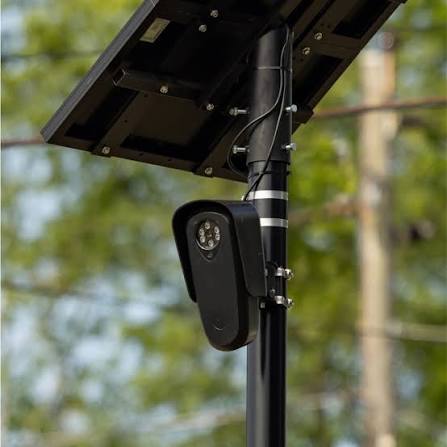
Vandals have knocked out units entirely or simply covered the lenses to blind them. Two men have been charged so far with malicious destruction of police property, a felony, and their cases are currently moving through the court system.
Read More: Holland teen charged with vandalizing license plate cameras
The local damage comes amid a broader pushback playing out nationwide.
Online campaigns like "De Flock" and "Block the Flock" have gained traction among critics who argue the systems amount to unchecked government surveillance and an intrusion on digital privacy.
Captain Jake Sparks, who leads the investigative services division for the Ottawa County Sheriff’s Office, said losing the hardware creates immediate setbacks for investigators.
Replacing or repairing a single unit runs anywhere from $500 to $1,200 depending on what was hit, including solar panels, internal batteries, mounting poles or the camera itself.
"More importantly, the likelihood of promptly recovering a stolen vehicle, locating your stranded loved one, or solving crime diminishes with multiple cameras out of service," Sparks said.
When the system is online, deputies say it yields fast results.
In Allendale Township, investigators spent more than a year trying to catch a repeat offender tied to over a dozen instances of spying on and filming residents inside their homes. Detectives had almost nothing to go on until last month, when they finally connected the suspect to a specific vehicle.
Once they had the car, deputies ran it through the Flock system. They identified the suspect and had him in handcuffs within 72 hours.
Read More: Grandville man arraigned in Allendale off-campus peeping, break-in investigation
"We’ve had many other similar successes as well," Sparks said.
Sheriff's officials maintain that much of the public pushback stems from basic misconceptions about how the equipment operates.
The county's Flock cameras do not stream live video or record audio, he said. They do not track vehicle speeds, gather driver demographics or use facial recognition software.
Mounted on public roads, the solar-powered units only capture a still image of the back of a vehicle and its license plate, he said.
The photos are stored on a rolling 30-day window before being automatically deleted. Access is restricted to certified officers working active criminal investigations, and the system cannot be used for traffic enforcement or civil citations.
Yet for a growing number of residents, those safeguards do not go far enough.
Public meetings in Ottawa County have drawn crowds of citizens voicing unease over the persistent tracking of daily travel. Critics argue that even without live streaming or facial recognition, network-connected cameras effectively record the movements of law-abiding drivers going to work, running errands or visiting doctor's offices.

The pushback has spilled onto official county agendas.
Read More: Surveillance vs. rights: Inside Ottawa County’s debate over Flock Safety camera use
County commissioners recently debated a proposed pause on expanding fixed cameras, while residents presented petitions demanding stronger oversight or an end to the contract altogether.
Privacy advocates emphasize that building interconnected database webs creates an unnecessary digital trail that invites eventual state overreach, regardless of local law enforcement's intentions.
As court proceedings continue for the two men facing felony charges, Spark cautions that destroying public equipment carries steep legal penalties, including potential prison time and mandatory restitution.
— Heather VanDyke covers northern Ottawa County for the Ottawa News Network. Contact her at hvandyke@ottawanewsnetwork.org.


