

Lake Macatawa study reveals surprising interstate travels of reclusive muskie fish
They are known as the "fish of ten thousand casts," renowned for being extremely elusive, wary, and difficult to catch, but a new study suggests that the strain muskellunge might also be the fish of ten thousand miles.

HOLLAND — They are known as the "fish of ten thousand casts," renowned for being extremely elusive, wary, and difficult to catch, but a new study suggests that the strain muskellunge might also be the fish of ten thousand miles.
Since April 2025, researchers have tracked 20 tagged muskie as they venture far beyond the waters of Ottawa County, with some individuals making remarkable journeys across state lines.
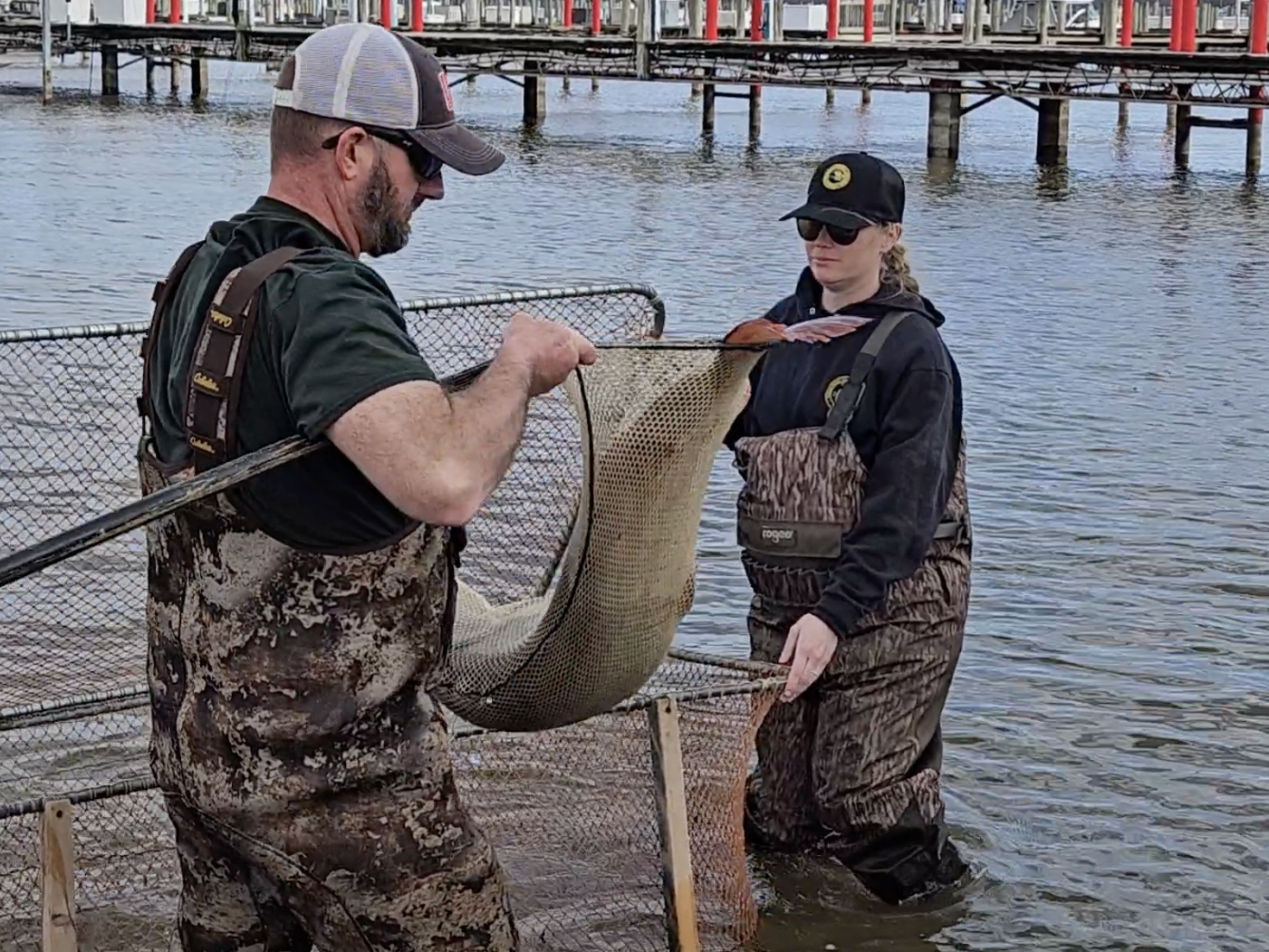
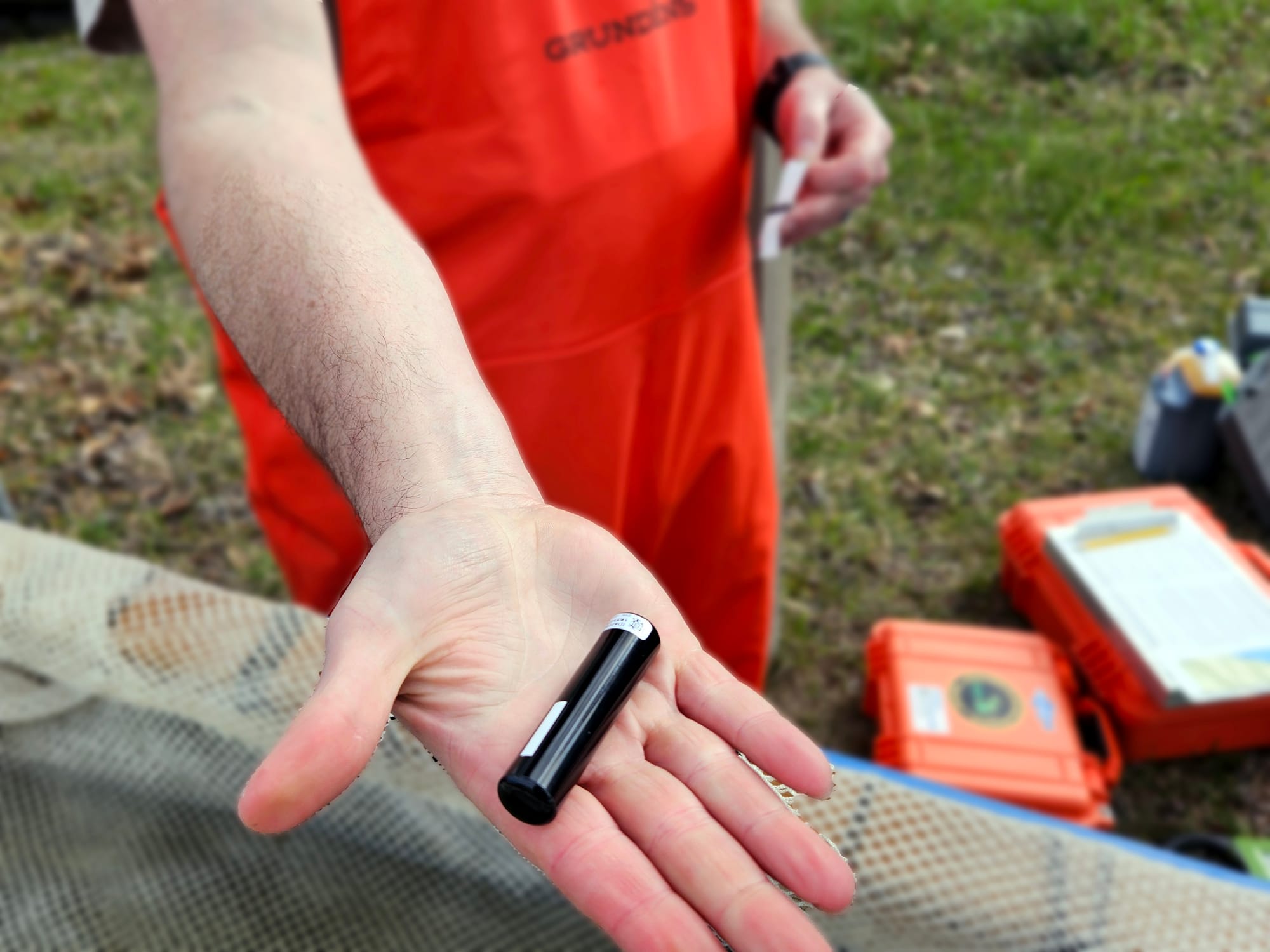
A joint study between the Michigan Department of Natural Resources, the Michigan Muskie Alliance, Grand Valley State University and the Great Lakes Acoustic Telemetry Observation System helped track the muskellunge, or "muskie," through battery-powered transmitters roughly the size of a AA battery.
Since the tags were implanted last spring, a network of underwater receivers has recorded 69,000 detections of the 20 tagged muskie by GLATOS receivers, the DNR said.
Key findings
Although Lake Macatawa serves as the project’s hub, the data confirmed that muskie, an apex predator in the Great Lakes ecosystem, are using the lakes as a massive aquatic highway, with tagged fish detected in Chicago, Green Bay, Wisconsin, and Grand Haven and Saugatuck.
"If you catch a muskie, that fish may have been stocked hundreds of miles away," the project report noted, highlighting the migratory scale of a species often thought to stay close to their spawning grounds.
The acoustic tags have a lifespan of approximately seven years, meaning researchers will be able to monitor these specific fish through 2032. This longitudinal data is expected to provide unprecedented insights into seasonal migration patterns and habitat selection.
The project marks another milestone in the 25-year relationship between the DNR and the Michigan Muskie Alliance. Because state and federal grants often overlook species-specific local research, the Alliance has stepped in to provide the necessary funding, equipment and volunteer hours.
Please consider becoming a monthly donor!
Beyond tracking, the group has historically supported infrastructure at the Wolf Lake State Fish Hatchery, ensuring the next generation of Great Lakes muskie continues to thrive — and wander.
Known for their elusive nature, muskie are highly intelligent, solitary predators that hide in structures and sit tight, requiring anglers to be incredibly patient and precise.
They have dark, vertical bars on light backgrounds, which are the inverse of Northern Pike patterns. Their key habitats include northern Michigan, Wisconsin, Minnesota, the St. Lawrence River and various lakes in Iowa.
Follow updates of the project at MichiganMuskieAlliance.org and Michigan.gov/Muskie.
— Submitted by the Michigan Department of Natural Resources. To submit a news tip, email newsroom@ottawanewsnetwork.org.


